
Using Whey as an Organic Pesticide: An Overview
What Is Whey?
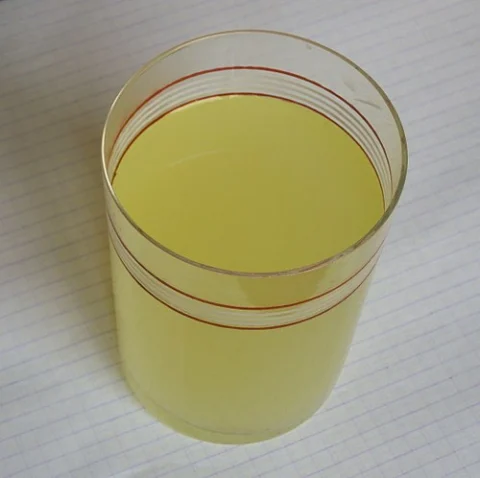
Whey is the liquid byproduct produced during the cheese-making process. It is rich in proteins, vitamins, and minerals. This nutritious solution has various applications, including animal feed and dietary supplements. Recently, it has gained attention as an organic pesticide, providing an environmentally friendly alternative to synthetic chemicals.
Why Use Whey as a Pesticide?
Effectiveness: Whey contains essential nutrients and acids that create unfavorable conditions for certain pests and plant diseases. For instance, the lactic acid in whey disrupts fungal cell walls, making it an effective antifungal agent.
Nutrient Source: Aside from controlling pests, whey also enriches the soil with essential minerals and nutrients that promote plant health.
Safety: As a natural byproduct, whey is safe for humans, pets, and beneficial insects like bees. It doesn’t leave harmful residues, making it ideal for organic gardening.
How to Use Whey as a Pesticide
- Preparation: Mix whey with water at a 1:1 ratio. This dilution ensures the solution is effective while not overpowering the plants.
- Application:
- Foliar Spray: Pour the diluted whey solution into a spray bottle or a garden sprayer. Spray evenly on the leaves, focusing on the undersides, where pests often reside.
- Soil Drench: Pour the solution directly onto the soil around the plant’s base to tackle soil-borne pathogens and enrich the soil.
- Experienced growers report that high acidity in whey can affect soil pH if applied too strongly or too frequently. For a more balanced start, use a dilution of 1:500 for foliar spray or soil drench and monitor the response of your plants and soil. In stronger mixes (around 1:50), pH levels can drop from 6.5 to 5.5, particularly in seedling cups or pots. When applied to plants in the ground, the soil’s buffering capacity helps reduce this effect.
- Frequency: Apply the whey spray once a week for maintenance or every 3-4 days during infestations.
Where to Source Whey
- Local Dairy Farms: Dairy farms often have leftover whey from cheese production, and they may be willing to provide or sell it in bulk.
- Health Food Stores: Some health food stores offer concentrated whey in powdered form, which can be reconstituted with water.
- Homemade: If you make cheese or yogurt at home, collect the leftover whey to repurpose it.
Final Thoughts
Whey is an effective, affordable, and environmentally friendly pesticide that can complement your organic gardening practices. Its ability to combat pests and fungal diseases, coupled with its soil-enriching properties, makes it a valuable asset in sustainable agriculture.
…and now in more detail if you like to read more:
Broader Context of Natural Foliar Sprays
In sustainable agriculture, foliar sprays made from natural and often locally available materials have grown in popularity. These include compost teas, diluted seaweed extracts, fermented plant juices, and milk-based solutions. Among these, dairy by-products have shown remarkable effectiveness in boosting plant immunity and nutrition. The application of such sprays directly to the leaves allows for rapid nutrient absorption and an immediate plant response.
Understanding Why Dairy By-products Work
Dairy by-products like curds, buttermilk, and cheese-making residue contain not only proteins but also essential micronutrients, enzymes, and beneficial bacteria. When diluted and sprayed, they can suppress powdery mildew, enhance soil microbial life, and trigger plant growth responses. The lactic acid bacteria, in particular, act as a biological control agent by outcompeting harmful fungi and bacteria on the plant’s surface.
Applications Across Farming Systems
Smallholder farmers in Kenya, Zimbabwe, and Namibia have begun experimenting with various natural sprays in vegetable gardens and orchard systems. These approaches are especially appealing because they cost little or nothing, use waste products, and reduce the reliance on chemical pesticides and fertilisers. In some regions, farmers apply diluted fermented milk mixtures as a weekly tonic to their crops during the growing season.
Beyond disease control, these foliar applications can also serve as a mild bio-stimulant, helping plants recover from stress, improve photosynthetic activity, and increase flowering. For permaculture and organic farmers, this is particularly important in the face of extreme weather conditions.
Nutrient Content and Fermentation
The value of dairy sprays is greatly increased through fermentation. By allowing the liquid to sit for several days—sometimes with added molasses or effective microorganisms—farmers can encourage microbial activity and break down proteins into forms more accessible to plants. These fermented solutions, when properly managed, emit a pleasant sour smell and contribute to both foliar and soil health.
Integration with Other Natural Inputs
Farmers often mix dairy-based sprays with plant extracts like neem, chilli, or garlic to add pest deterrent properties. In other systems, they are added to bokashi liquids, compost teas, or used after a seaweed spray to promote resilience. It is important to test combinations first, as not all ingredients are compatible.
Limitations and Best Practices
While dairy foliar sprays are effective, they should not be overused. High concentrations may lead to leaf burn, especially under hot sun, or may attract pests if not sufficiently diluted. Farmers are advised to test on a few plants first and apply early in the morning or late afternoon. Hygiene during preparation is also critical to prevent the growth of undesirable microbes.
Farmers should typically dilute the fermented spray in a ratio of 1:10 with water, and apply it once every 7–10 days during the growing season. When using whey specifically, note its natural acidity. Multiple consecutive applications (4–5 times) can acidify the soil, especially in pots or trays. It is therefore advisable to space applications and use milder dilutions.
Regional Opportunities in Namibia and Beyond
In Namibia’s arid and semi-arid zones, maintaining plant health under stress is a key challenge. Sprays made from readily available dairy waste could offer an affordable solution for smallholder farmers, especially where goat or cow milk production is common. In communities where cheese is made from surplus milk, the leftover liquid could be diverted for agricultural use, reducing waste and improving yields.
In the Green Scheme projects or peri-urban vegetable farms, these natural inputs could enhance production without increasing costs. Agricultural extension services could promote on-farm production of fermented foliar solutions as part of training programmes on low-cost regenerative techniques.
Scientific Studies and Evidence
Several academic and field studies support the use of dairy-based sprays in agriculture:
- University of São Paulo (Brazil): Demonstrated suppression of fungal diseases on grapes using milk-based foliar sprays.
- Organic Agriculture Centre of Canada: Showed increased resistance to powdery mildew on cucurbits.
- Korea’s Natural Farming Movement: Extensively uses lactic acid bacteria as a core part of regenerative farm inputs.
Further Reading and Resources
Books & Manuals:
- JADAM Organic Farming by Youngsang Cho – Includes natural fermentation recipes and applications.
- Teaming with Microbes by Jeff Lowenfels – Great insight into microbial soil and plant interactions.
- The Regenerative Grower’s Guide to Garden Amendments by Nigel Palmer – Practical DIY guide to natural sprays.
Worthwhile Videos:
 Watch videoNatural Farming: Lactic Acid Bacteria
 Watch videoHow to Make Milk Sprays for Powdery Mildew
 Watch videoMilk as a Fertiliser
External Links:
Final Thought
While often discarded as waste, dairy by-products can become a powerful regenerative tool when handled with care. Their role in reducing input costs, building resilience, and enhancing biological activity positions them as a valuable ally for farmers across Africa’s diverse climates.
The practical experiences of Namibian permaculture growers like Erwin Kesslau confirm the importance of cautious dilution and pH monitoring when using whey sprays, ensuring soil health while maintaining pest control benefits.
Above is a slideshow by Erwin Kesslau from Swakopmund. Contact him on the Permaculture Club Whatsapp group for more info and guidance.