
A clear record can turn “what is wrong with my grapes?” into a question someone can help answer. Fruit appearance alone is often insufficient. Include the vine, leaves, irrigation history and timing so the pattern can be assessed.
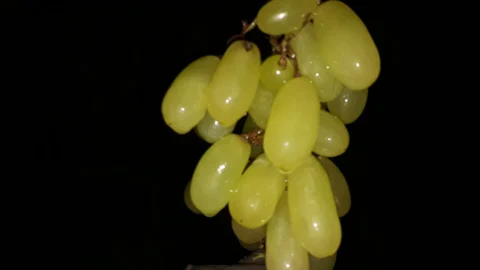

From the Namibian discussions
The restored collection contained a local request for help with grapes, but the message text did not establish the symptom or diagnosis. This guide does not invent a disease from that missing context. It offers a practical way to make the next request more informative.
Photograph at three scales
- Show the whole vine and its growing position.
- Photograph an affected bunch or shoot beside a healthy one if available.
- Take a sharp close-up with a ruler or familiar size reference.
- Keep the original date and avoid filters that alter colour.
Add the missing context
Record the variety if known, vine age, recent irrigation interruptions, rain, heat and any sprays. Note whether damage is on the exposed side, throughout the bunch or across several vines. Describe whether the problem appeared suddenly or developed over time.
Keep possible causes separate
UC IPM’s grape resources distinguish diseases, pests and other disorders. Splitting, sun exposure, poor fruit set and fungal damage are different possibilities, not one generic grape problem. Avoid treating every blemish with the same product or assuming a photograph establishes the cause.
Follow up with the outcome
If an adviser requests a sample, follow its collection instructions. Record any treatment and the subsequent response. Post a short follow-up to the community: what was diagnosed, what changed and what happened at harvest. That closes the knowledge loop and makes the original question useful to the next grower.
Namibian climate and microclimate
Sun-exposed bunches in a hot Namibian courtyard can face different stresses from vines under netting near the coast. Irrigation and root conditions matter alongside air temperature. Include the microclimate rather than reporting only the town name.
Your first practical step
Create a four-line record—date, affected parts, recent water and weather, and actions already taken—and attach three clear photographs.
Watch and adapt
 Watch videoWatch: Beneficial Insects and Natural Enemies
Publisher: University of California IPM
Country and context: USA; California context.
A supporting lesson on beneficial insects; identify the species actually present in your Namibian garden.
Use the identification approach from the lesson. Grape-specific diagnosis still needs the evidence and references for your vine.
Keep exploring
Sources and further reading
Have you tried this in Namibia? Share the site conditions, method and result—including what did not work—with the Living Earth community. Local observations help the next person adapt the idea.