
A small tree nursery can supply plants and become a place for shared learning. Its success is measured by suitable trees surviving after planting, not only by the number of bags filled or seedlings handed out.
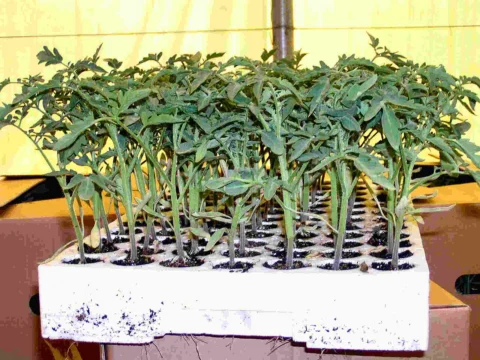

From the Namibian discussions
The Namibian collection proposed combining a bioregional learning centre with a nursery, and debated the value of seed-grown diversity. This guide develops that idea into a manageable operating plan. It does not claim that the proposed centre has already produced the results described.
Start with demand and site suitability
Ask households or land managers what functions they need: shade, fruit, habitat or managed biomass. Match species to water, space and climate. BGCI’s nursery and seed-collection guidance emphasises planning and the quality of plant material; collecting many seeds from one easy tree is not the same as representing a diverse population.
Keep a simple batch record
- Assign a code linking species, source, collection date and permissions.
- Record sowing, germination, potting, losses and treatments.
- Keep labels with trays and individual plants as they move.
- Record recipients’ broad planting conditions and arrange a follow-up survival check.
Make daily care dependable
Agree who opens the nursery, checks irrigation and covers absences. Keep a backup water plan and separate new or sick stock for inspection. Provide shade and wind protection appropriate to the plants, with drainage that does not spread disease between benches. Size the nursery to the care available during weekends and holidays.
Share learning rather than promises
Provide each recipient with the plant identity, likely mature size and establishment instructions. Avoid distributing uncertain edible species or plants with unresolved invasive status. Ask for a photograph and survival report after difficult weather. Use that feedback to reduce production of poorly suited species and improve the next batch.
Namibian climate and microclimate
Plants raised under generous nursery water can struggle after distribution to much drier sites. Harden stock and discuss a realistic establishment commitment. Coastal and inland destinations may need different species and preparation.
Your first practical step
Choose three locally appropriate species and design one batch record and one watering rota before expanding nursery infrastructure.
Watch and adapt
 Watch videoWatch: Build a Nursery & Grow Trees
Publisher: Community Forests International
Country and context: Exact filming country not confirmed; Swahili with English subtitles.
A general seedling-care lesson, also catalogued by World Agroforestry. It is not a species-specific growing demonstration.
The nursery workflow is useful; choose Namibian species, local permissions and a water budget rather than copying the film’s planting list.
Choose the nursery method
Use the seed-nursery guide for everyday sowing and seedling care. For tree-root management, compare air-prune beds and separate containers. Start with the water, staff and planting destinations available; increase production after checking survival.
Keep exploring
- Seed Nursery
- Organise a seed exchange that carries the growing knowledge too
- Start a community learning circle around one practical trial
Sources and further reading
- BGCI: nursery design and tree-conservation briefs
- BGCI: collecting tree seed and retaining diversity
Have you tried this in Namibia? Share the site conditions, method and result—including what did not work—with the Living Earth community. Local observations help the next person adapt the idea.