
The ana tree, Faidherbia albida, can contribute shade, fodder and habitat to a large landscape. Its unusual seasonal leaf pattern has also made it an important subject in African agroforestry.
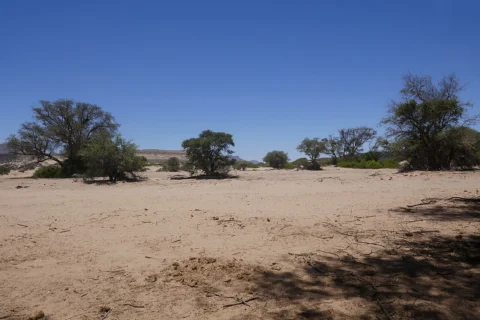
Photo: Ji-Elle · Original image · CC BY-SA 4.0. Wikimedia display-size version; no crop or content edits.
.jpg)
From the Namibian discussions
The tree was saved as a topic in the Namibian collection. The written source does not include a local planting trial, but Namibia’s existing trees provide a place to begin observation. Ask people who manage them about leaf fall, pod use, seedling survival and water conditions.
Where it fits
SANBI describes a large tree associated with rivers, floodplains and dry watercourses. Size and water access matter: an established tree near subsurface moisture is not evidence that it belongs in a tiny courtyard or can establish on a dry ridge without care.
Learn from existing trees
- Confirm the identification with a knowledgeable local person.
- Record where the tree grows in relation to drainage and watercourses.
- Observe when it carries leaves, flowers and pods in your area.
- Ask how livestock use it and whether young trees survive browsing.
Plan establishment with the root system in mind
SANBI notes early taproot development and the need to protect young plants from frost. Use sound nursery stock and seek local advice on handling and transplanting it. Plan protection from animals and a realistic establishment-water supply before choosing the number of trees.
Read agroforestry results in context
The linked Senegal research film explores crop–tree relationships at the Faidherbia-Flux observatory. It offers useful questions about shade, soil and water access. A yield result from that setting is not a promised multiplier for Namibian crops. Compare similar areas carefully, including differences that existed before planting.
Namibian conditions and microclimate
Watercourse position, rooting depth, browsing and frost exposure can matter as much as annual rainfall. Record seasonal shade and consider how it affects nearby crops. Preserve access for people and livestock when planning a tree that may become very large.
Try it locally and share what happens
Follow one established local tree through a season before enlarging a planting. Combine community knowledge with photographs of leaf cycles and notes on the surrounding soil and water.
Watch, understand, adapt
Uncovering the secrets of Faidherbia albida
Country and context: Senegal — Faidherbia-Flux observatory, shared through the SustainSahel/KCOA project.
Researchers and a farmer discuss seasonal leaf behaviour, soil and crop relationships.
 Watch video▶ Watch at the source
Apply it locally: Senegal’s study sites have their own groundwater, soils and crop systems. Use the mechanisms as questions to investigate, not a guarantee of equivalent yields or groundwater access.
Keep exploring
Agroforestry · Trees: start here · Caring for trees