
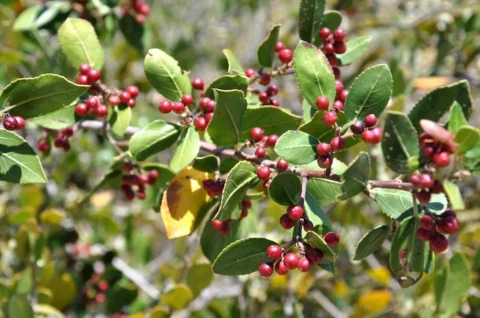
What is Jojoba?
Jojoba (pronounced ho-HO-ba) is a plant native to the arid regions of the southwestern United States and northern Mexico. It is scientifically known as Simmondsia chinensis and belongs to the Simmondsiaceae family. Jojoba is a shrub that produces seeds containing a unique liquid wax. This liquid wax is often referred to as jojoba oil, but technically, it is not an oil but a liquid ester.
Uses and Benefits of Jojoba:
1. Skin Care: Jojoba oil is renowned for its exceptional skin benefits. It closely resembles the natural sebum produced by human skin, making it an excellent moisturizer. It absorbs quickly without leaving a greasy residue and is suitable for all skin types, including sensitive and acne-prone skin. Jojoba oil helps soothe dry, irritated skin, reduces redness, and promotes a healthy complexion. It can be used as a standalone facial and body oil or as an ingredient in various skincare products like lotions, creams, and lip balms.
2. Hair Care: Jojoba oil is beneficial for hair health as well. It nourishes and conditions the hair, leaving it soft, shiny, and manageable. Jojoba oil can be applied to the scalp to alleviate dryness and flakiness, promoting a healthy scalp environment. Additionally, it helps protect the hair from environmental stressors and heat damage caused by styling tools.
3. Makeup Remover: Due to its mild and non-comedogenic properties, jojoba oil is an effective and gentle makeup remover. It easily dissolves makeup, including waterproof products, while hydrating the skin and eyelashes.
4. Sunburn Relief: Jojoba oil’s soothing and anti-inflammatory properties make it an excellent remedy for sunburned skin. It helps reduce redness, discomfort, and peeling, promoting faster healing.
5. Anti-Aging Benefits: Rich in antioxidants like vitamin E and other skin-friendly nutrients, jojoba oil helps combat the signs of aging. It can reduce the appearance of fine lines and wrinkles, promoting a more youthful complexion.
6. Carrier Oil: Jojoba oil serves as an ideal carrier oil for essential oils in aromatherapy and massage. Its light texture allows it to blend well with other oils, enhancing the therapeutic effects of essential oils.
7. Non-Comedogenic: Jojoba oil is non-comedogenic, meaning it does not clog pores. This property makes it suitable for oily and acne-prone skin, as it helps balance sebum production without causing breakouts.
8. Shelf Life: Jojoba oil has an incredibly long shelf life due to its stability. It does not go rancid easily, making it an excellent choice for skincare formulations.
Overall, jojoba and its oil have gained popularity in the beauty and skincare industries due to their versatility and numerous benefits. Whether used in its pure form or as an ingredient in various products, jojoba can play a significant role in promoting healthy skin and hair.
Growing Jojoba
Growing jojoba in desert and arid regions like Namibia can be a viable option due to its natural adaptability to such environments. Here are some steps and considerations for successfully cultivating jojoba in these regions:
1. Variety Selection: Choose jojoba varieties that are well-suited to arid conditions. Some drought-tolerant and heat-resistant varieties are better suited for desert climates. Consulting with local agricultural experts or nurseries can help you select the most appropriate cultivars for your specific region.
2. Soil Preparation: Jojoba prefers well-draining sandy or loamy soils. Ensure the soil is free from rocks, debris, and excessive salinity. If necessary, amend the soil with organic matter or compost to improve its structure and water retention capacity.
3. Planting and Spacing: Plant jojoba seeds or seedlings during the rainy season to take advantage of natural precipitation. Space the plants appropriately, allowing enough room for their mature size and root spread. Generally, jojoba plants should be spaced about 3m to 4m apart.
4. Watering: During the initial establishment phase, provide regular and consistent watering to help the young jojoba plants develop a strong root system. After the plants are established, they are generally drought-tolerant and can survive with minimal irrigation. However, regular deep watering during periods of extreme drought can be beneficial.
5. Mulching: Apply organic mulch around the base of the jojoba plants to conserve soil moisture, suppress weed growth, and protect the roots from extreme temperatures. Mulch can also help improve soil fertility over time as it breaks down.
6. Wind Protection: Jojoba plants can be vulnerable to strong winds, which can damage their branches and leaves. Planting windbreaks or constructing barriers can help protect the plants and reduce water loss due to wind evaporation.
7. Pest and Disease Management: Jojoba is generally resistant to pests and diseases. However, monitoring the plants regularly for any signs of issues is essential. Employ integrated pest management practices to manage any pest problems that may arise.
8. Pruning and Training: Pruning is generally not required for jojoba plants, but selective pruning can be done to shape the plants and remove any dead or damaged growth.
9. Harvesting: Jojoba plants start producing seeds after about five years. The seeds are harvested once they are fully mature, usually when they turn from green to brown. The seeds can be collected directly from the plant.
10. Winter Care: Jojoba is quite cold-tolerant, but protecting young plants from frost during the first couple of years is advisable. Use frost cloths or burlap to shield the plants on cold nights.
11. Sustainable Practices: Embrace sustainable agricultural practices such as rainwater harvesting, composting, and using natural fertilizers to reduce water consumption and promote soil health.
Cultivating jojoba in desert and arid regions of Namibia requires patience and a good understanding of local environmental conditions. With proper planning, irrigation, and care, jojoba can thrive and be a valuable resource for these challenging environments.
The plant is also very salt water tolerant and can thus be grown with water that is not fit for human/animal consumption.
Interesting links and videos:
https://en.wikipedia.org/wiki/Jojoba
