
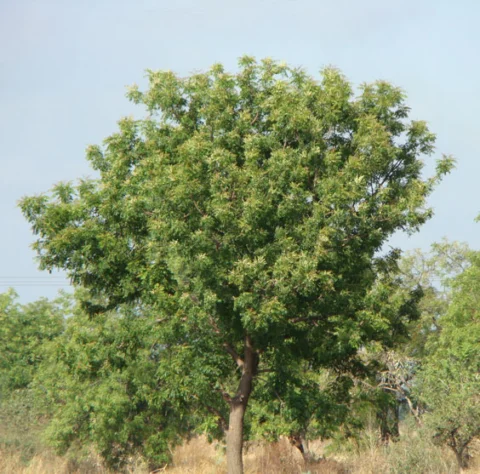
Let’s dive into the fascinating world of neem trees, how to grow them, and their many benefits in arid Southern Africa.
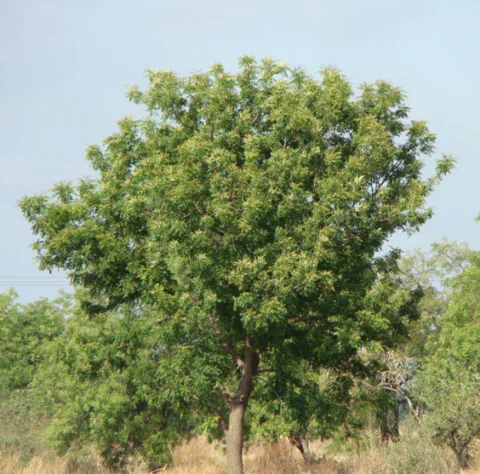
Growing Neem Trees:
- Choose the Right Location: Neem trees love sunlight, so plant them in a sunny spot with well-draining soil.
- Planting: You can grow neem trees from seeds or young saplings. Plant the seeds or saplings in the ground or large pots, giving them enough space to grow.
- Watering: Neem trees are drought-tolerant but need regular watering when young. Once they’re established, they can survive with less water.
- Pruning: As the neem tree grows, you can prune it to shape it and remove any dead or unhealthy branches.
Using Neem Trees and Their Benefits:
- Natural Pesticide: Neem leaves and oil contain compounds that repel insects, making them a fantastic natural pesticide. They can protect crops and gardens from harmful bugs without harmful chemicals.
- Medicinal Uses: Neem has been used for centuries in traditional medicine. It has antibacterial and antifungal properties and is used to treat various ailments, like skin conditions and digestive issues.
- Cosmetics: Neem is used in skincare products like soaps and lotions because it helps cleanse and nourish the skin.
- Animal Care: Neem oil is used to treat and protect animals from pests like fleas and ticks.
- Environmental Benefits: Neem trees are good for the environment as they help combat soil erosion and provide shade for other plants and animals.
Caring for Neem Trees:
- Watering: Young neem trees need regular watering until they are well-established. Once mature, they can handle dry conditions but appreciate occasional watering during long droughts.
- Pruning: Neem trees don’t need much pruning, but you can trim them to maintain a nice shape and remove dead branches.
- Pests and Diseases: Neem trees are quite hardy, but look out for pests or diseases, especially when the tree is young. If you spot any problems, you can use neem oil or neem leaves as a natural solution.
- Protection: In their early years, neem trees might need some protection from strong winds or extreme heat. Consider using temporary windbreaks or providing shade during the hottest times of the day.
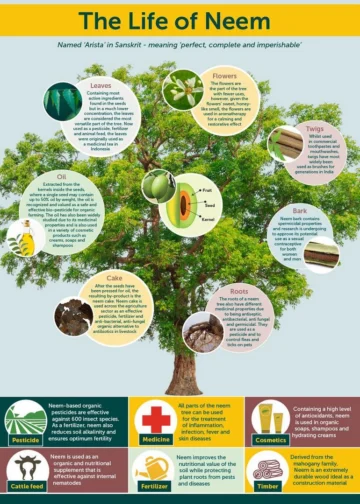
Neem trees are truly amazing! They offer so many benefits to us and the environment. With a little care, your neem tree will grow strong and provide you with fantastic resources for a healthy and sustainable lifestyle. Enjoy watching your neem tree flourish!
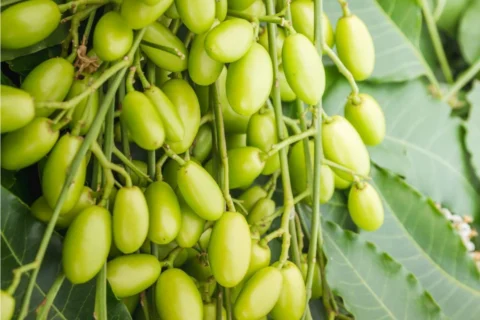
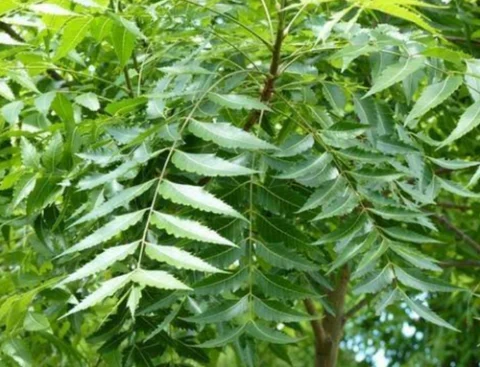
https://neemfoundation.org/about-neem/neem-and-health/neem-cures/
Additional Resources and Practical Applications of neem
For those looking to deepen their knowledge of natural plant-based remedies and sustainable agroecological practices, a range of excellent books and field guides are available. Titles like Plants That Heal by Douglas Schar and The Useful Plants of West Tropical Africa by H.M. Burkill provide comprehensive insights into medicinal and agricultural uses of hundreds of species found across the continent. Another valuable read is Secrets of the Soil by Peter Tompkins and Christopher Bird, which explores traditional wisdom and modern discoveries in regenerative cultivation.
In various African villages, traditional healers and farmers have long shared recipes passed down through generations. A common skin-soothing balm is made by infusing crushed leaves in cold-pressed sunflower oil for several days, then straining and mixing the oil with beeswax to create a gentle salve. For crop protection, a common mixture involves fermenting the leaves with water and a splash of liquid soap to create a foliar spray—widely praised for helping reduce pest infestations without disrupting pollinators.
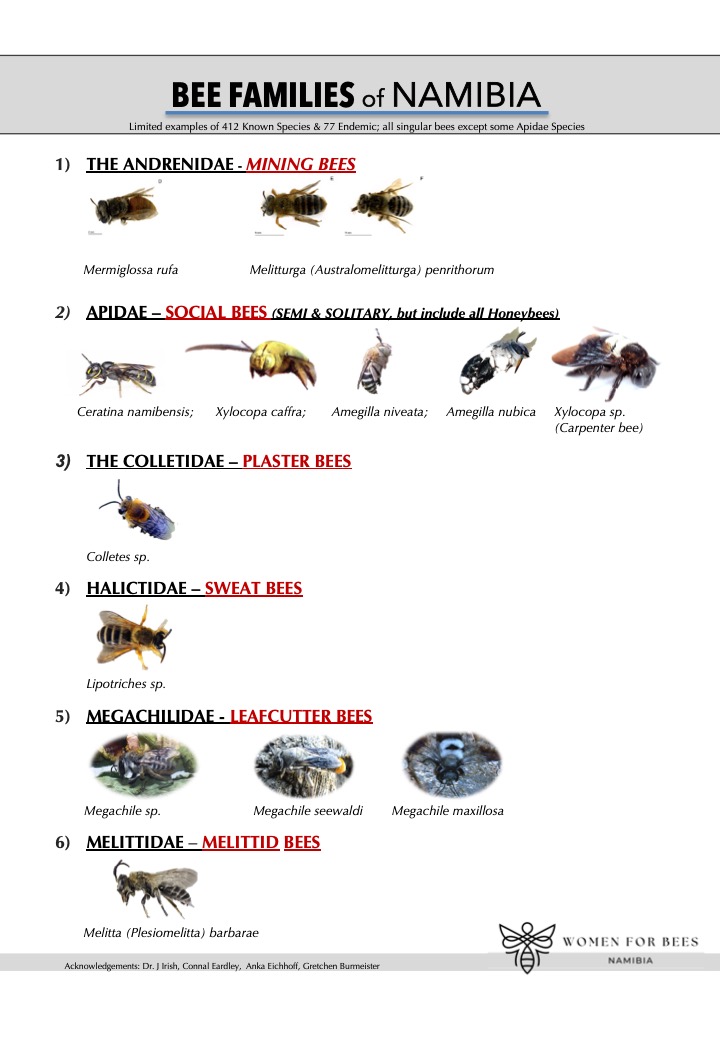
Communities across India, East Africa, and Southern Africa have shared inspiring stories about the long-term use of native trees for both health and farming. One example comes from a women’s cooperative in northern Kenya, where a simple backyard nursery project grew into a thriving enterprise producing biodegradable pest deterrent products for nearby farms. In Namibia’s Zambezi Region, similar community-led initiatives have successfully integrated tree-derived products into smallholder market gardens, enhancing yields and reducing chemical input costs by over 60%.
Aside from agricultural applications, trees like this often form part of holistic homestead systems. Shade, soil improvement, animal fodder, and natural fencing are some of the benefits that make them a core part of many permaculture designs. Their role in creating climate resilience—especially in dryland farming systems—cannot be overstated.
Those wishing to experiment at home might try making a household cleaner by steeping fresh leaves in hot water with a few slices of lemon and a piece of grated ginger. Once cooled and strained, this solution can be used to wipe surfaces or refresh indoor plants. For personal care, infusing the leaves in coconut oil under sunlight for several days can yield a rich, aromatic oil used traditionally for hair and skin wellness.
If you’re setting up a regenerative garden or aiming for self-sufficiency, including multi-functional trees like these in your landscape design is a wise choice. They contribute not only to your immediate well-being but also to long-term food security, soil health, and local biodiversity.