
A charcoal enterprise turns a suitable wood supply into a marketable product. Kiln choice matters, but harvesting, drying, safe cooling, grading, transport and the buyer’s specification can determine whether the work pays.
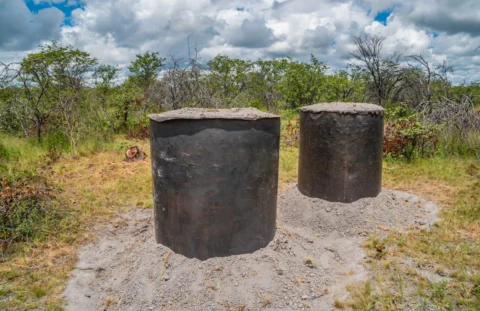

From the Namibian discussions
The group material included a lead for kilns manufactured in Gobabis to a locally developed specification, and a Jumbo Charcoal video. These are useful contacts and examples to investigate. They are not a current quotation, an endorsement of a manufacturer or a measured comparison between kiln types.
Distinguish the products
FAO describes carbonisation as heating wood under controlled conditions to produce charcoal. Cooking charcoal, activated carbon and biochar for soil are different products with different specifications. A photograph of a biochar kiln does not demonstrate the performance of a charcoal retort. Ask exactly what product and size fractions the buyer accepts.
Compare more than purchase price
- Identify the feedstock, its moisture and the permissions governing harvesting and transport. Retain ecologically important trees rather than treating all woody vegetation as waste.
- Ask each supplier for charge capacity, cycle time, labour requirements and the basis of any yield claim.
- Compare charcoal produced per kilogram of dry wood, not loads of different wetness. Record fines and rejected product separately.
- Include tools, protective equipment, fire preparation, maintenance, packaging and transport in the NAD budget.
Keep production and cooling controlled
Hot charcoal can reignite when exposed to air. Smoke and carbon monoxide can harm workers even when combustion appears quiet. Obtain model-specific training, an appropriate outdoor site and a fire-response plan before operation. Never enter a kiln or enclosed cooling space to investigate an apparent problem. Do not bag material until the approved cooling and checking procedure is complete.
Learn from a trial batch
Follow one batch from weighed feedstock to accepted sale. Record hours worked, breakages, losses and the buyer’s feedback. A promising batch is the start of a record: repeating it in a different season reveals whether the process is dependable. Document smoke complaints and fire near-misses as well as output.
Namibian climate and microclimate
Hot, dry, windy days increase fire concerns. Rain changes feedstock moisture and access roads; an enterprise that works beside a buyer may struggle when transport distances are long. Site planning must account for neighbouring homes and livestock.
Your first practical step
Ask a local operator to show a complete batch record and explain cooling and fire control. Use that visit to prepare questions for kiln suppliers.
Watch and adapt
 Watch videoWatch: Jumbo Charcoal Namibia — Our Story
Publisher: JSB Safaris Namibia
Country and context: Namibia, as identified in the film title. Exact sites not independently confirmed.
A company-story film giving industry context; it is not independent verification of production or environmental claims.
Treat the Namibian business film as an operating example. Verify the equipment, harvest permissions and economics independently.
Keep exploring
Sources and further reading
Have you tried this in Namibia? Share the site conditions, method and result—including what did not work—with the Living Earth community. Local observations help the next person adapt the idea.