Seed priming is controlled hydration intended to prepare seed for germination before sowing. It is a crop-specific technique, not a reason to soak every packet or assume seed can manufacture nutrients that are absent from soil.
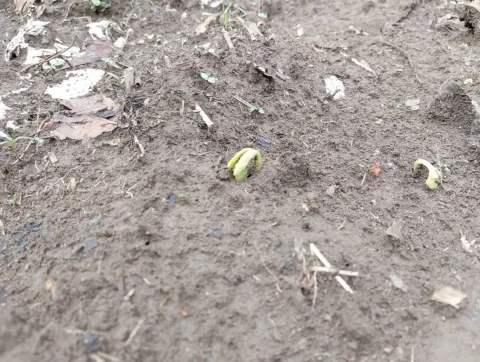

From the Namibian discussions
A saved discussion linked seed treatment with saliva and personalised nutrition. Those claims are not established by the message and are not a basis for food-growing advice. The useful practical question is whether an appropriate clean-water treatment improves establishment of a particular seed lot.
Begin with the crop and seed label
Some crops respond to pre-sowing hydration, while others can be damaged by an unsuitable duration or handling. Treated, pelleted and professionally primed seed may require different instructions. Ask the supplier or extension adviser for a method for your exact crop rather than applying an overnight soak universally.
Keep a comparison
- Reserve untreated seed from the same lot.
- Use clean containers and water and follow the crop-specific method you obtained.
- Sow promptly into prepared, adequately moist conditions when instructed; do not allow a newly emerged root to dry out.
- Count emergence and healthy seedlings in both groups, recording temperature and watering.
Separate speed from success
Earlier emergence is only useful if more healthy plants survive. Record later losses, disease and labour as well as the first root appearing. A small sample cannot prove a yield increase. If the untreated lot performs well, the extra treatment may not be worth the effort for that crop.
Keep the limits clear
Priming does not repair diseased seed or replace suitable soil moisture and nutrition. Do not use saliva or unidentified microbial brews as a substitute for an established method. Store remaining untreated seed dry and labelled, and record exactly which lot received the treatment.
Namibian climate and microclimate
In hot, dry air, hydrated seed can lose moisture rapidly between treatment and sowing. Unreliable irrigation makes this especially important: have the bed and water ready before starting. A foreign trial’s timing may not suit your temperatures.
Your first practical step
Choose one crop and obtain a specific priming method. Compare a small treated sample with untreated seed before changing your main sowing.
Watch and adapt
Publisher: ABC Gardening Australia
Country and context: Australia; exact filming location not confirmed.
A practical seed-raising lesson. Adapt light, watering and timing to your seed species and Namibian microclimate.
The video supports careful seed handling. It does not validate saliva treatments or prescribe a soaking time for every crop.
Keep exploring
Sources and further reading
Have you tried this in Namibia? Share the site conditions, method and result—including what did not work—with the Living Earth community. Local observations help the next person adapt the idea.