
A mushroom room works best when materials move through a clear sequence. Keep substrate preparation, inoculation, incubation, fruiting and waste handling organised so dirty material does not repeatedly cross cleaner work. Choose the species and production method before buying room equipment.
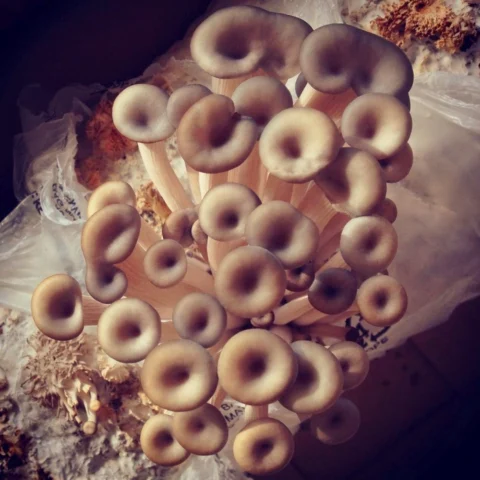
.jpg)
From the Namibian discussions
The Namibian collection included a lead for local mushroom expertise. It did not provide a complete room design or production results. Use that interest to seek practical training and assess a small system before assuming that an unused room will become a profitable mushroom business.
Choose a manageable starting point
Discuss a suitable species and substrate with an experienced grower. Ready-to-fruit blocks can help you learn fruiting conditions before taking on substrate preparation and inoculation. They have their own costs and supply risks, so compare the options rather than assuming one is always best.
Draw the material flow
- Mark where incoming materials are stored and prepared.
- Separate cleaner work from waste, soil and dusty handling.
- Plan access for inspection and harvest without unnecessary disturbance.
- Provide a route for removing contaminated or exhausted material without spreading it through the workspace.
Measure the growing environment
Cornell’s indoor-production resources explain the distinct production stages. Temperature, humidity, fresh air and light requirements depend on species and stage. Keep records of the actual room conditions. A humidifier alone does not solve ventilation, overheating or cleanliness problems.
Cost a complete cycle
Record blocks or substrate, spawn, water, energy, cleaning, labour, losses and usable harvest. Keep suspect material separate and seek guidance rather than trying to salvage every contaminated batch. Follow appropriate food-hygiene and storage practices for mushrooms intended for sale.
Namibian climate and microclimate
Arid inland air can increase humidification demand, while cooling a hot room may be costly. Coastal conditions offer different constraints. Test the room through a difficult period before committing to year-round output or promising customers regular quantities.
Your first practical step
Draw the room’s material flow and ask an experienced grower to review one small production cycle.
Watch and adapt
 Watch videoWatch: Growing Oyster Mushrooms Indoors — introduction and series
Publisher: Cornell Small Farms
Country and context: USA; Cornell’s indoor mushroom-production training context.
Start with the introduction, then follow the relevant stage in the series. Requirements vary by mushroom species and production method.
Cornell’s material is from the USA. Adapt species choice and environmental control to the temperatures, humidity and operating costs of your Namibian room.
Keep exploring
Sources and further reading
Have you tried this in Namibia? Share the site conditions, method and result—including what did not work—with the Living Earth community. Local observations help the next person adapt the idea.