Thank you for the clarification — here is a much more comprehensive and SEO-enhancing expansion for your Nematodes article. It includes an intro, rich detail, balanced keyword use, and recommendations for books, global examples, and integrated pest management strategies, suitable for the Grow Your Food Africa Wiki.
Introduction to Nematodes
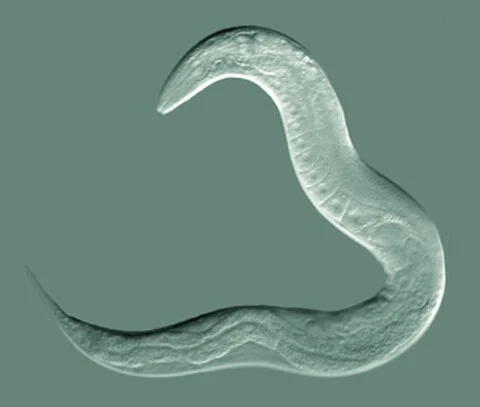
Nematodes are among the most abundant multicellular organisms on Earth. Also called roundworms, they exist in nearly every ecosystem, from deserts to deep ocean trenches. In agriculture, nematodes are particularly significant because of their impact on soil health, crop productivity, and pest dynamics. Some nematodes are parasitic, causing severe damage to the roots of crops such as tomatoes, onions, maize, and potatoes. Others are beneficial, feeding on bacteria, fungi, and other microscopic pests, and helping to maintain a balanced and resilient soil food web.
Understanding the different types of nematodes and how to manage them is essential for both conventional and organic farmers, especially in African contexts where chemical inputs are costly or unsustainable. With the right knowledge and tools, farmers can turn nematodes from a hidden threat into a helpful ally.
Types of Nematodes in Agriculture
- Parasitic Nematodes These attack plant roots and are responsible for major yield losses. Notable examples include:
- Root-knot nematodes (Meloidogyne spp.), which form characteristic galls on roots.
- Cyst nematodes (Heterodera and Globodera spp.), which affect crops like potatoes and soybeans.
- Lesion nematodes (Pratylenchus spp.), which enter root tissue and cause rotting.
- Free-living Nematodes These include:
- Bacterivores, which feed on bacteria and help decompose organic matter.
- Fungivores, which regulate soil fungi populations.
- Predators, which consume other nematodes and small invertebrates, helping suppress harmful species.
- Omnivores, which switch between feeding types depending on conditions.
Nematodes in African Soils
African soils often host a wide range of nematode species due to the continent’s ecological diversity. In sandy, low-organic-matter soils such as those in Namibia, parasitic nematodes can thrive, especially when crops are repeatedly grown in the same location. Over-reliance on monoculture and lack of organic matter allows harmful nematode populations to expand rapidly.
However, indigenous farming systems that rotate crops, apply compost, and maintain ground cover tend to have more balanced nematode communities. Practices like mulching, companion planting, and intercropping not only improve soil structure but also encourage beneficial nematodes and other microbial life.
Natural and Organic Management of Nematodes
Controlling nematodes without synthetic chemicals is entirely possible using the following strategies:
1.
Crop Rotation
Rotate with non-host crops such as maize, sorghum, or sunflowers to break the nematode lifecycle.
2.
Green Manures and Cover Crops
- Mustard, marigold (Tagetes spp.), and sesbania are known for their nematode-suppressive properties.
- Sun hemp (Crotalaria juncea) is effective at reducing root-knot nematodes and fixes nitrogen.
3.
Compost and Vermicompost
Adding well-aged compost boosts beneficial nematodes and microbes that compete with or consume parasitic ones.
4.
Biofumigation
Chopping and incorporating crops like brassicas into the soil releases compounds like glucosinolates that naturally suppress nematodes.
5.
Neem and Plant Extracts
Neem cake and neem oil have shown strong nematicidal activity. Locally available options include extracts from wild African tobacco and chilli.
6.
Solarisation
Covering moist soil with clear plastic during peak sun periods can heat the soil and kill surface-dwelling nematodes.
7.
Beneficial Nematodes
Some nematodes, such as Steinernema and Heterorhabditis, can be used to attack insect larvae in the soil, reducing pest pressure.
Plant Symptoms of Nematode Infestation
Look for the following signs:
- Stunted or patchy crop growth
- Yellowing or wilting of plants, even with adequate watering
- Excessive root branching or root galls (swellings)
- Rotting or blackened roots
- Reduced yields without visible pest signs above ground
Laboratory soil testing is the most reliable way to confirm nematode presence, but visual diagnosis can provide early warnings.
Nematodes and Regenerative Farming
In regenerative systems, the goal is not to eliminate nematodes entirely but to balance their populations. Just like weeds, not all nematodes are bad—and many are vital for nutrient cycling and disease suppression. Promoting biodiversity above and below ground, maintaining living roots year-round, and avoiding soil disturbance helps keep harmful nematodes in check naturally.
Success Stories
- Kenya: Farmers in Machakos county saw tomato yields increase by 40% after rotating with marigold and applying compost tea for two seasons.
- Zimbabwe: A permaculture farm outside Bulawayo used sun hemp and cowpea rotations to suppress lesion nematodes in a dryland maize system.
- South Africa: Trials with mustard cover crops in the Western Cape showed significant reductions in root-knot nematode levels in vineyards and almond orchards.
Books and Resources
- Nematodes as Environmental Indicators by Michael J. Wilson – excellent for understanding the ecological role of nematodes
- Biological Control of Plant-Parasitic Nematodes edited by G. Stirling – practical applications of microbes, rotations, and natural enemies
- Managing Nematodes Without Chemicals (FAO) – free guide with strategies relevant to African contexts
- Soil Biology Primer (NRCS) – simple but valuable introduction to the soil food web, including nematodes
Worthwhile Videos
 Watch videoHow to Identify Nematode Damage in Crops
 Watch videoUsing Marigolds to Control Root Knot Nematodes
 Watch videoCompost Tea and Nematode Balance
External Links
- International Meloidogyne Project (IMPROVE) – includes diagnostic tools and management guides
- FAO Soil Health Resource Hub
- The Nematode Information Site – University of Nebraska
- CABI – Managing Plant-Parasitic Nematodes
Methods to control Nematodes
You’re right about “stink afrikanertjies”—they are indeed a type of marigold, specifically the African marigold (Tagetes erecta). These plants are well known for their pungent aroma and are used in organic farming as a natural pest deterrent, including against nematodes. The method you described, using marigolds around vegetable beds and creating a “Jauche,” is a traditional and effective approach in integrated pest management. Let’s delve into how each part of this method helps combat pests and nematodes:
1. Planting Marigolds:
Marigolds are reputed to have biofumigant properties due to compounds they release, which are toxic to nematodes and other pests. By planting marigolds around your vegetable beds, you introduce these natural nematicidal agents into the soil. When marigold roots grow, they release these compounds, which help reduce the population of nematodes by either repelling them or inhibiting their reproduction.

2. Creating and Using Jauche (Marigold Tea):
“Jauche” refers to a liquid manure or plant ferment made from steeping plants in water. When made with marigolds, this concoction can be used as a foliar spray or soil drench. Here’s how you can make and use it:
- Making Marigold Jauche:
- Chop fresh or dried marigold plants into small pieces to increase their surface area.
- Place these chopped pieces in a bucket or large container and cover them with water (preferably rainwater or non-chlorinated water).
- Allow the mixture to ferment for about a week to two weeks, stirring daily. The mixture will start to ferment and break down, releasing beneficial compounds into the water.
- After fermentation, strain out the plant material, and the remaining liquid is your marigold Jauche.
- Using Marigold Jauche:
- Dilute the Jauche with water, typically at a ratio of about 1 part Jauche to 10 parts water, though this can vary based on the strength of the original mixture.
- Use this diluted mixture as a foliar spray on cucumbers, tomatoes, cabbages, and other susceptible plants. It can help deter pests like aphids, whiteflies, and even some fungal diseases due to its antifungal properties.
This method is particularly valued in organic farming because it avoids synthetic chemicals and leverages natural plant properties to manage pests and improve plant health. Using marigolds and their derivatives can be a holistic part of garden and farm pest management, contributing not only to pest control but also to the aesthetic and biodiversity of the garden environment.
Cabbage leaves:
Cabbage leaves dug into soil will eradicate nematodes.