
What is Biomass and Why Grow Plants for It?
Biomass for Soil Health in Agroforestry and Permaculture
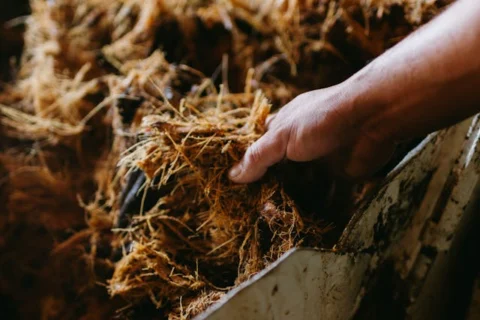
In agroforestry and permaculture, biomass is not only used for fuel — it also plays a big role in improving soil. When plants are cut and their leaves or stems are left on the ground as mulch, they protect the soil from the hot sun, wind, and heavy rain. Mulch helps keep the soil cool and moist, stops weeds from growing, and slowly breaks down into humus, which feeds soil life like worms and fungi. In this way, every branch or leaf becomes food for the land. Farmers often grow biomass plants such as Tithonia, Leucaena, or Sesbania between trees or garden beds, cut them regularly, and spread the material on the soil. This natural method builds fertility, improves water holding, and reduces the need for chemical fertilisers — keeping the farm productive and healthy for many years.
Biomass as Energy
Biomass also refers to any organic material derived from plants or animals that can be also used as a renewable source of energy. Unlike fossil fuels, which release carbon that has been locked underground for millions of years, biomass recycles carbon already circulating in the atmosphere. Growing biomass plants provides multiple benefits: they capture carbon dioxide through photosynthesis, improve soil fertility, and can be converted into fuels, heat, or electricity. For smallholders and communities, cultivating fast-growing species for biomass creates a local, sustainable energy source that reduces dependence on imported fuels, while also producing valuable by-products such as animal fodder, mulch, compost, and building materials.
Some biomass plants can provide food for people and/or animals in addition to organic matter for soil improvement.
Indigenous Plants
- Leonotis leonurus (Wild dagga)
- Sesbania (local and introduced varieties)
- Celtis africana (White stinkwood)
- Wild sesame
- Khakibush
- Amaranth
- Tall tuft grasses
- Dodonaea viscosa
- Wild cucumbers and melons
Introduced Species (beneficial if managed)
Note: Regular pruning before flowering prevents uncontrolled spread.
- Moringa
- Tecoma stans
- Mulberry
- Tipuana tipu
- Castor oil plant
- Leucaena
- Sorghum
- Napier grass
- Sedges
- Sugar cane
- Lemongrass
- Rose geranium
Fast-Growing Ground Covers, Herbs and Flowers
- Purslane (indigenous/wild)
- Common sunflower
- Mexican sunflower
- Other abundantly growing flowers that self-seed or are easily grown
Succulents
Succulents of different heights can be used. While slower to re-grow, their leaves store moisture that benefits planting beds and compost.
Ground Creepers and Climbers (also provide food)
- Climbing green beans and other beans
- Sweet potato
- Pumpkin (plant later than other seeds to avoid shading out smaller plants)
- Melons
Local specialist Guild design:
The below info has been derived from a discussion on Whatsapp by some of Namibia’s key Permaculture designers:
A strong biomass base begins with the right guild design — plants that work together to build soil, provide shade, protect young trees, and produce material for chop-and-drop mulching. In semi-arid Namibia, this means combining deep-rooted and low-water species that can thrive with limited surface moisture. As ground covers, species like Portulaca (pigweed) and Vygies (Mesembryanthemum spp.) are ideal — shallow-rooted but hardy once established. Taller support species such as Penny Bush (Salsola aphylla) and Saltbush (Atriplex nummularia) add protection and biomass while tolerating heat and drought. Alfalfa (Medicago sativa) offers nitrogen fixation and deep roots that loosen compacted soils. Among nitrogen fixers, Tipuana tipu (Pride of Bolivia) is outstanding — extremely fast-growing, loves heavy pruning, and provides ample mulch, though it can become a large tree if unmanaged. Moringa (Moringa oleifera) is an excellent fast-biomass species; it can be planted thickly and replaced easily when it dies back. Thorny local shrubs make valuable nurse and mulch plants, particularly in dry areas, as do thornless Prosopis and hardy natives that can be coppiced for organic matter. Annuals like Amaranth, Castor Oil (Ricinus communis), Mexican Sunflower (Tithonia diversifolia), Sorghum, Mucuna, and Lablab create a seasonal biomass surge and are easily controlled with mulch. Short-lived perennials — Saltbush, Cassava, Canna, Jerusalem Artichoke, and Penny Bush — maintain cover between seasons. Larger support trees such as Tipuana tipu, Kalahari Apple-leaf (Philenoptera nelsii), Pepper Tree, Moringa, Mulberry, Elephant Root Tree (Bauhinia petersiana), African Wattle, and Coral Tree (Erythrina lysistemon) are fast-growing sources of shade, nitrogen, and mulch. For pollinator support and aesthetic value, add Zinnias, herbs, and flowering medicinals to attract beneficial insects and promote ecosystem healing. Where possible, establish living fences or hedges — often underestimated — to reduce evaporation and wind desiccation, using either hardy shrubs or temporary shade-netting. Always tailor your mix to site conditions: available water, wind and sun exposure, maintenance capacity, and desired yields. As Florian notes, plant for reward — food for smallholders, and cash crops for farmers — since “no profit means no permanence.” Even invasive species can play a role if carefully managed; select non-self-germinating varieties to produce valuable fodder and biomass without environmental risk.
Here’s the list in list form:
Here’s a clean, practical biomass and support plant checklist — perfect for wiki or field use, where you can tick off each species as you add them to your garden or project site:
Biomass & Support Plant Checklist
Groundcovers (low water use)
- Vygies (Mesembryanthemum spp.) – hardy succulent, excellent soil cover
- Portulaca (Pigweed) – shallow-rooted, thrives in dry soil
Shrubs & Small Perennials
- Penny Bush (Salsola aphylla) – evergreen, wind protection, hardy biomass
- Saltbush (Atriplex nummularia) – drought-tolerant, high-protein fodder
- Cassava (Manihot esculenta) – root crop, good leaf biomass
- Castor Oil Plant (Ricinus communis) – rapid growth, biomass and insect repellent
- Canna (Canna indica) – lush biomass, ornamental, water-tolerant
- Jerusalem Artichoke (Helianthus tuberosus) – fast-growing, edible tubers
- Penny Bush (Salsola spp.) – windbreak and mulch source
Nitrogen Fixers
- Alfalfa (Medicago sativa) – deep-rooted legume, improves soil fertility
- Tipuana tipu – fast-growing tree, loves pruning, heavy mulch producer
- Leucaena leucocephala – prolific nitrogen fixer, strong regrowth
- African Wattle (Peltophorum africanum) – nitrogen fixer, shade and mulch
- Kalahari Apple-leaf (Philenoptera nelsii) – native legume, good shade tree
Fast Biomass Producers
- Moringa (Moringa oleifera) – edible leaves, high biomass, easy to replace
- Mexican Sunflower (Tithonia diversifolia) – rapid growth, green manure
- Amaranth (Amaranthus spp.) – edible, drought-hardy annual
- Sorghum (Sorghum bicolor) – grain and fodder biomass
- Mucuna (Mucuna pruriens) – climbing legume, soil improver
- Lablab (Lablab purpureus) – perennial bean, green manure
Trees for Structure, Shade & Biomass
- Tipuana tipu – fast, coppicing tree, nitrogen fixer
- Moringa oleifera – multi-purpose, edible and regenerative
- Mulberry (Morus alba / nigra) – fruit and leaf fodder
- Pepper Tree (Schinus molle) – hardy, semi-evergreen shade
- Elephant Root Tree (Bauhinia petersiana) – drought-hardy nitrogen fixer
- Coral Tree (Erythrina lysistemon) – colourful, nitrogen fixer, easy to prune
- Thornless Prosopis – deep roots, biomass and fodder without spreading
Annuals for Quick Biomass & Soil Protection
- Amaranth – food and chop-and-drop
- Castor Oil Plant – biomass, pest deterrent
- Mexican Sunflower – rapid seasonal biomass
- Sorghum – tall mulch and fodder grass
Pollinator & Medicinal Plants
- Zinnias (Zinnia elegans) – bright flowers for pollinators
- Medicinal herbs (e.g. basil, rosemary, calendula, lemongrass) – attract bees, improve garden health
Hedges & Living Fences
- Saltbush – strong evergreen hedge
- Penny Bush – hardy, drought-tolerant barrier
- Local thorny species – windbreak and animal deterrent
- Temporary shade netting – moisture retention until hedge matures
Here’s the list grouped by function of the plants:
Perfect — here’s your Guild Design Checklist for Biomass and Support Plants, now sorted by function within a regenerative guild.
It’s designed so you can tick off plants as you build each layer of your system — from water retention and soil building to pollination and protection.
Guild Design Checklist (by Function)
1. Groundcover & Soil Protection
To keep soil shaded, reduce evaporation, and suppress weeds.
- Vygies (Mesembryanthemum spp.) – hardy succulent, excellent cover in dry zones
- Portulaca (Pigweed) – fast groundcover, minimal water needs
- Amaranth (Amaranthus spp.) – seasonal cover, edible and hardy
- Mexican Sunflower (Tithonia diversifolia) – quick growth, strong seasonal biomass
- Sorghum (Sorghum bicolor) – tall annual grass, wind and soil protection
2. Nitrogen Fixers & Soil Builders
To improve soil fertility, increase organic matter, and support neighbouring plants.
- Alfalfa (Medicago sativa) – deep-rooted legume that enriches soil
- Tipuana tipu – rapid growth, loves pruning, nitrogen fixer and mulch tree
- Leucaena leucocephala – prolific legume tree, regenerates fast after pruning
- African Wattle (Peltophorum africanum) – shade and nitrogen
- Kalahari Apple-leaf (Philenoptera nelsii) – native nitrogen-fixer, beautiful tree
- Elephant Root Tree (Bauhinia petersiana) – native legume with striking flowers
- Mucuna (Mucuna pruriens) – climbing bean, nitrogen fixer and groundcover
- Lablab (Lablab purpureus) – perennial bean, soil improver and fodder
3. Fast Biomass & Chop-and-Drop Plants
To generate organic matter, mulch, and carbon for soil life.
- Moringa (Moringa oleifera) – edible leaves, fast regrowth, easy to replace
- Mexican Sunflower (Tithonia diversifolia) – green manure, excellent biomass
- Castor Oil Plant (Ricinus communis) – vigorous growth, insect deterrent
- Tipuana tipu – abundant leaf and branch biomass
- Saltbush (Atriplex nummularia) – hardy shrub for year-round fodder/mulch
- Canna (Canna indica) – lush foliage, high moisture biomass
- Jerusalem Artichoke (Helianthus tuberosus) – quick-growing tuber and mulch source
- Cassava (Manihot esculenta) – root crop with good pruning biomass
4. Windbreaks, Shade & Living Fences
To reduce evaporation, buffer wind, and protect tender plants.
- Saltbush – dense and evergreen, excellent living hedge
- Penny Bush (Salsola aphylla) – hardy and fast, ideal for fencing and windbreaks
- Pepper Tree (Schinus molle) – light shade, evergreen canopy
- Thornless Prosopis – deep-rooted windbreak and fodder source
- Coral Tree (Erythrina lysistemon) – colourful nitrogen-fixing barrier tree
- Local thorny species – temporary protection and chop-and-drop material
- Temporary shade netting – helps young hedges establish
5. Food, Fodder & Income Species
To ensure the system remains productive and rewarding.
- Moringa oleifera – edible leaves, pods, and high-value powder
- Cassava – staple root crop, drought-hardy
- Mulberry (Morus spp.) – fruit and leaf fodder
- Amaranth – edible leaves and seeds
- Sorghum – grain and livestock feed
- Lablab – bean crop and green manure
- Tipuana tipu – valuable timber shade tree (if well managed)
6. Pollinator & Medicinal Plants
To attract beneficial insects, support ecosystem health, and add beauty.
- Zinnias (Zinnia elegans) – bright flowers for bees and butterflies
- Basil, Rosemary, Lemongrass, Calendula – aromatic herbs for pollinators and medicine
- Canna and Coral Tree – hummingbird and bee-friendly blooms
7. System Design Considerations
Before planting, always check:
- Water availability – how much is naturally or manually available?
- Microclimate – position evergreens to the west of target plants for shade.
- Maintenance capacity – choose species based on your ability to prune and manage regrowth.
- Diversity – aim for the highest mix possible during the rainy season for rapid soil cover.
- Avoid monoculture fruit trees – plant them within diverse, multi-layered guilds.
Regional Research and Case Studies
Across Southern Africa, several projects demonstrate the potential of biomass cultivation for rural energy and ecological regeneration. In Namibia, researchers at the Namibian Biomass Industry Group (N-BiG) are promoting bush-to-biochar initiatives to address bush encroachment while generating carbon-negative fuels and improving rangeland health (www.n-big.org). In South Africa, the CSIR has conducted studies on converting invasive alien vegetation into sustainable biomass pellets and briquettes for industrial and household energy use (CSIR Energy Centre). Meanwhile, Zambia’s Integrated Biomass Energy Systems programme explores how small-scale farmers can grow energy crops alongside food crops to boost livelihoods and resilience. Together, these regional examples show that biomass is more than just fuel—it is a regenerative tool that can restore landscapes, create jobs, and strengthen energy security.
The Village that Fed the Soil (a fable)
Near Omuthiya, the land had grown tired. Each year the people planted maize and beans, but the soil became hard, and the rain ran off before it could sink in. The fields cracked under the sun, and the harvests grew smaller.
One season, an old woman began doing things differently. Instead of burning the stalks, weeds, and dry grass, she gathered them. She mixed in leaves from Leucaena trees, bright Tithonia stems from the edge of the path, and pruned branches from her Sesbania shrubs. Then she spread this layer over her small garden like a blanket.
Her neighbours teased her, saying she was making a home for termites. But she only smiled and planted her pumpkins, tomatoes, and beans beneath the cover.
When the first rains came, her soil stayed cool and damp, while others’ fields baked and cracked. Worms came back to her garden, and her chickens scratched happily in the soft soil. Her maize grew tall, and her pumpkins spread far beyond their beds.
Soon, others noticed. They saw how the fallen leaves and cuttings slowly turned into dark, rich soil. They learned to cut Moringa and Tithonia often, to feed both their goats and their gardens. The dry season no longer left the land bare — each field had its cover of grass, leaves, and crop remains.
After a few years, the whole area began to change. The air was cooler under the trees. Fewer dust storms came through. Even during dry months, the ground stayed moist. Children started helping to gather garden waste and cover their school plots with old vines and shredded banana leaves.
Visitors from nearby towns were surprised to see green gardens thriving where the land had once been dry and bare. The people explained that they had learned one simple truth: to care for the land, you must feed the soil first.
And since then, the farms around Omuthiya have stood as a quiet example — showing that every leaf, weed, and branch can help turn poor land into living earth again.