
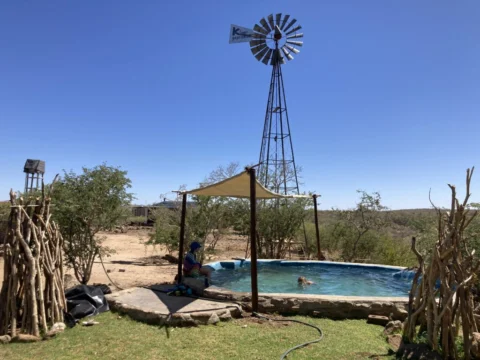
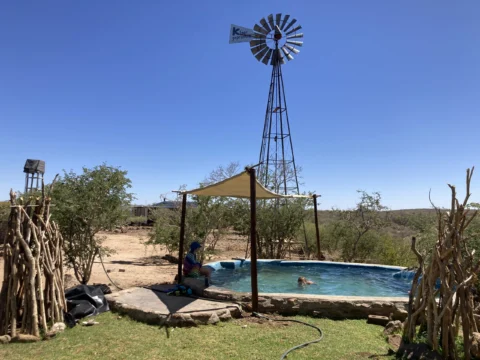
Your Own Natural Swimming Pool – Creating Harmony with Nature
Natural Swimming Pool – In recent years, natural swimming pools have gained popularity as a sustainable and chemical-free alternative to traditional chlorine-treated pools. These eco-friendly oases blend seamlessly with the environment, providing a refreshing and inviting space for swimming while promoting biodiversity. In this article, we’ll explore the concept of natural swimming pools and provide an overview of the steps involved in building on
- Understanding Natural Swimming Pools:
Natural swimming pools, also known as swimming ponds or bio-pools, emulate the beauty and functionality of natural bodies of water. They consist of two distinct zones: the swimming zone and the regeneration zone. The swimming zone is designed for recreational use, while the regeneration zone acts as a natural filtration system, keeping the water clean and clear. - Designing Your Natural Swimming Pool:
- Location: Choose a suitable location with ample sunlight and minimal tree debris to ensure optimal water quality.
- Size and Shape: Determine the size and shape of your pool based on available space and personal preferences.
- Depth: Create varying depths within the swimming zone to accommodate different activities and provide a safe environment.
- Construction Process:
- Excavation: Dig the pool and create a clear distinction between the swimming zone and regeneration zone.
- Liner Installation: Use a high-quality, puncture-resistant liner to prevent water leakage and maintain proper water levels.
- Regeneration Zone Construction: Incorporate gravel, rocks, and aquatic plants to create a natural filtration system that promotes water purification.
- Circulation System: Install a circulation pump to ensure proper water movement between the swimming and regeneration zones.
- Plant Selection:
- Aquatic Plants: Choose a diverse selection of native aquatic plants, such as water lilies, water hyacinths, and cattails, which help oxygenate the water and provide habitat for beneficial microorganisms.
- Marginal Plants: Select marginal plants, like irises and rushes, to create a visually appealing transition zone between the water and the surrounding landscape.
- Maintenance and Care:
- Oxygenation: Install an aerator or a small fountain to enhance water oxygenation and prevent stagnation.
- Plant Maintenance: Regularly trim and remove excess plant growth to maintain a balanced ecosystem.
- Water Quality: Monitor water quality parameters, such as pH and clarity, and make adjustments as needed.
- Seasonal Considerations: Prepare for seasonal changes, such as winterization in colder climates, to protect the pool and its ecosystem.
Conclusion:
Building a natural swimming pool allows you to enjoy the benefits of swimming while fostering a harmonious connection with nature. By following the principles of natural filtration and integrating native plants, you can create a chemical-free and sustainable aquatic environment. Remember to consult local regulations and seek professional guidance when necessary. So, dive into the world of natural swimming pools and experience the joy of swimming in harmony with the environment.
For more detailed guidance and inspiration, don’t forget to visit reputable sources or consult with experts in natural pool construction.
Disclaimer: The information provided in this article is for informational purposes only. Always consult with professionals and adhere to local regulations and guidelines when building a natural swimming pool.
Note that you can build the pool and the gravel bed in two separate beds, then you can have a pool cover on your pool to reduce evaporation and to help keep the pool cleaner.
Here’s a long-form text expansion you can add to the bottom of your article on Natural Swimming Pools on https://wiki.living-earth.africa/wiki/natural-swimming-pool/. It enhances the SEO quality, adds global and local context, and includes useful external links.
Additional Insights on Natural Swimming Pools
Natural swimming pools (NSPs) are gaining popularity across Africa, particularly in off-grid and eco-conscious communities looking for healthier, chemical-free ways to enjoy water. These pools not only support biodiversity but also act as micro-habitats and water-saving features in permaculture landscapes. Unlike traditional chlorinated pools, natural swimming pools are alive — they rely on ecological balance, not toxic additives.
How They Work — A Deeper Dive
A natural swimming pool typically consists of two main zones:
- Swimming zone: This is the area used for bathing, often designed like a conventional pool but without any chemicals.
- Regeneration zone: Planted with aquatic vegetation such as reeds, water lilies, or papyrus, this zone purifies the water naturally through biological filtration and plant uptake.
In Namibia and other dryland regions, careful consideration must be given to evaporation and water replenishment. Shading part of the regeneration zone with climbing plants or structures can reduce evaporation, while rainwater harvesting systems can keep the pool topped up without relying on mains water.
Why Choose a Natural Swimming Pool?
- Health Benefits: No exposure to chlorine, which can irritate skin, eyes, and lungs.
- Biodiversity: NSPs attract dragonflies, frogs, and beneficial insects that form part of a healthy garden ecosystem.
- Water Use: When designed well, NSPs can recycle and reuse water more efficiently than conventional pools.
- Aesthetic Appeal: These pools blend beautifully into natural landscapes, often doubling as ornamental features or small wetlands.
- Lower Long-Term Costs: Although the initial build may be higher, ongoing costs are reduced due to lower chemical and energy inputs.
Real-Life Examples in Arid Zones
- Morocco: Several eco-lodges in the Atlas Mountains and Agafay Desert use natural pools to offer guests a luxurious but sustainable experience.
- South Africa: Eco-estates and private homes in the Western Cape have adopted these systems, integrating indigenous wetland plants.
- Namibia: Though still rare, natural pools are ideal for farms and homesteads where chlorine is impractical or undesirable, especially when aligned with permaculture design principles.
DIY and Low-Cost Tips for Namibia
- Use Local Stone and Sand: Avoid expensive concrete and use stone gabions or sandbag walls to shape your pool.
- Reed Beds from Local Wetlands: Indigenous reeds are excellent for filtration. Always get permission if sourcing from wild areas.
- Clay Sealing: In areas with clay-rich soil, you may not need a liner. Compacting the clay layer can reduce seepage.
- Worm Tea & Bokashi: Add beneficial microorganisms to the water system to boost biological filtration.
- Solar-Powered Pumps: A simple 12V pump powered by a solar panel can circulate water between the zones.
External Resources and How-To Guides
For readers eager to go deeper, here are some excellent global resources on natural swimming pool construction:
- David Pagan Butler’s Natural Pool DIY Guide (UK) – One of the best hands-on DIY resources for affordable, off-grid NSPs.
- Biotop Natural Pool Systems (Austria) – Commercial systems used globally, with design inspiration.
- Permaculture Research Institute – Natural Pool Construction Article – Detailed explanation with photos.
 Watch videoYouTube – Geoff Lawton on Natural Swimming Pools – Practical insights from a leading permaculture educator.
Considerations for Wildlife Safety
If you’re in a region with snakes or mosquitoes, consider:
- Floating duckweed or fish like mosquito fish to control larvae.
- Perimeter fencing or rock edging to reduce snake access.
- Motion-sensor lighting to observe nocturnal wildlife interactions.
Integrating NSPs into Regenerative Landscapes
In permaculture, everything is connected. Your pool can:
- Serve as a water reservoir in droughts.
- Overflow into food gardens via swales.
- Cool the microclimate around a home or food forest.
- Provide water for ducks or geese.
It can even be used in combination with aquaponics — growing vegetables using fish waste as nutrients.
Bottom line: A well-designed natural swimming pool is not just a luxury — it’s a regenerative feature that can support life, beauty, and resilience in any homestead or village.
