
A shared harvest list helps growers and buyers agree what is available, when it can be collected and how it will be measured. A clear weekly message or paper sheet can be enough to start. Choose software only after the group knows which information it actually needs.
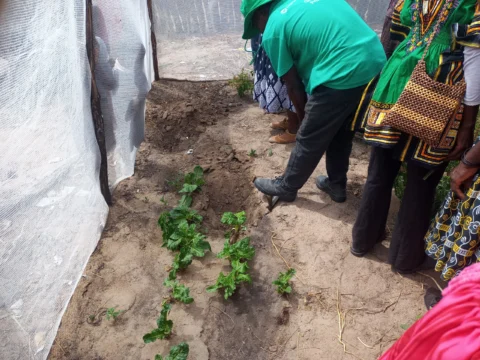

From the Namibian discussions
The Namibian collection included a food-hub app lead and messages about produce for sale. These show interest in connecting local supply and demand, but do not establish the app’s current features or a functioning ordering service. This guide offers a simple workflow that does not depend on that particular app.
Publish a consistent offer
For each product, state the grower or agreed collection contact, available quantity, unit, price in NAD and collection window. Use kilograms, litres or a clearly described count. Define a bunch or bag if using one, so buyers can compare offers fairly.
Separate estimates from confirmed stock
A crop expected next week is not the same as produce ready today. Label estimates and confirm the available amount before taking firm orders. Leave a way to report short harvests promptly. Avoid promising the same stock through several channels without updating the record.
Set an order routine
- Agree a closing time and how orders are acknowledged.
- Record ordered, confirmed and collected quantities separately.
- Agree payment and cancellation arrangements in advance.
- Give each participant only the contact information needed for the transaction.
Review losses and effort
After collection, record unsold produce, rejected quality and transport or packing costs. Ask whether the collection point and timing worked. Follow suitable food-handling guidance for each crop; a tidy order list cannot compensate for poor harvest hygiene or unsuitable storage. Start with a small product range you can handle well.
Namibian climate and microclimate
Namibian heat and long travel distances can make collection timing decisive. Coordinate harvest, shade and transport so produce does not wait unnecessarily in a hot vehicle. A nearby modest market may be more useful than distant orders that cost too much to fulfil.
Your first practical step
Try one weekly list with product, quantity, unit, NAD price, order deadline and collection time.
Watch and adapt
Publisher: ABC Gardening Australia
Country and context: Bowden, Adelaide, Australia.
Neighbours share growing space, produce and knowledge. Adelaide’s Mediterranean climate and tenancy arrangements differ from Namibia.
The Australian community-garden example illustrates cooperation rather than an ordering platform. Adapt the organisation to local access, language and transport.
Keep exploring
Sources and further reading
Have you tried this in Namibia? Share the site conditions, method and result—including what did not work—with the Living Earth community. Local observations help the next person adapt the idea.