Beetroot provides roots and edible leaves from a compact planting. Give it a steady start, room to develop and a harvest plan. Local growers’ experience with salty coastal conditions makes it especially worth testing carefully in your own garden.


At a glance
- Botanical name: Beta vulgaris, beetroot group. Related to chard, but selected for its swollen root.
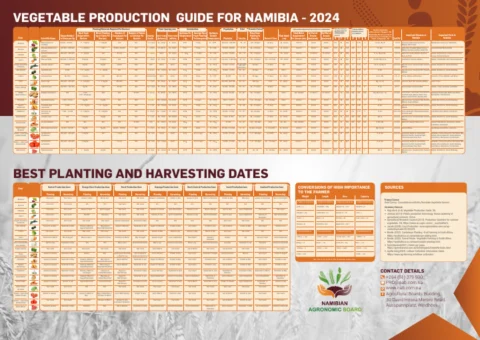
- The NAB guide gives sowing depth of 1.5–2.5 cm, with 5–10 cm between plants and 30–40 cm between rows.
- Its 65–85-day maturity range is a planning reference. Sample roots and use the cultivar’s guidance.
NAB vegetable production chart.
From the Namibian discussions
In a September 2024 contribution to the saved Namibian group material, a grower described using sunken beds, recycled organic matter and mulch, with municipal-water costs limiting expansion. They reported that beetroot and chard did well in their salty soil and used them before more salt-sensitive crops. Wind had damaged their shade net, and they were developing living shelter. This is useful experience from one garden; the exact locality was not recorded in the saved text.
The contributor also suggested the plants took up excess sodium and compost neutralised high soil pH. Retain those as their interpretation: no before-and-after salt or pH measurements accompanied the report. Good growth does not establish that a bed has been desalinated. If trying the approach, compare soil and irrigation-water tests as well as harvests, and keep drainage and the ongoing salt supply in view.
Namibian climate and microclimate
Choose a planting window that avoids exposing an unestablished crop to your most demanding heat and wind. Inland frost pockets and exposed coastal plots need different decisions; the name of the town alone does not describe the bed. Look at hours of sunlight, shelter, root-zone moisture and the water available through the full crop.
A sunken bed may help retain water in one setting while becoming a poorly drained basin in another. Use the local report as an idea to investigate, not a reason to copy the bed shape everywhere. Trial a short row alongside your usual method before expanding.
Prepare, sow and thin
Choose a well-drained bed with a fine enough surface for emergence. Improve poor soil with suitable mature organic matter and use measured soil information for amendments. Avoid adding boron or changing pH merely because a generic guide names a deficiency: symptoms can have several causes.
Many beetroot “seeds” are clusters that produce more than one seedling. Sow into moist soil, cover gently, then thin crowded groups once established. Leave the strongest plants at the intended spacing; do not assume that one seed cluster will always become one root. Iowa State: sowing and thinning.
For a first household planting, a short direct-sown row is easy to label and compare. Module planting is another option shown in the video, but add that complexity only if nursery care and timely transplanting suit you. Keep a record of the variety and whether seed was a conventional cluster or a single-germ type.
Care through root development
Water for steady growth and check beneath the surface before changing the routine. Weed while competitors are small. Once the crop is established, keep suitable mulch between plants without covering the growing centres. Long dry interruptions can reduce eating quality; continually saturated soil is not a solution. USU beet growing guide.
If roots are the priority, avoid repeatedly stripping the foliage needed to build them. Use thinnings or modest leaf harvests; plant chard separately when a continuing leaf supply is the main aim. The related crops belong in the same learning network but serve different harvest needs. RHS beetroot guidance.
Troubleshooting and harvest
Poor emergence calls for an inspection of moisture, depth and crusting. Crowded small roots may need better spacing, while patchy poor growth may follow irrigation differences. Photograph leaf spots and distorted plants and seek local identification instead of transferring an overseas pest name automatically.
Lift a few roots when they reach the size you like cooking. Compare texture and flavour; bigger is not always better. Loosen firm ground so roots are not torn. Sort sound roots from damaged ones, remove most foliage for storage and keep the crop cool. Plan prompt use where refrigeration is limited; northern “overwinter in a cellar” instructions are not a Namibian storage plan.
Successive small plantings can spread the harvest if the weather and water supply allow. Before adding another row, check whether you can use the first one. For a market garden, ask buyers about preferred root size and whether they want tops attached before setting the whole planting schedule.
Seed saving and a useful local trial
Beetroot and chard can cross when flowering. Saving a named variety true to type needs planning beyond keeping one flowering plant. Mark a small seed trial separately and seek isolation guidance if neighbouring gardens also keep flowering beets or chard. RHS growing and seed context.
To investigate the coastal observation, compare two similar small plots and record the same variety, irrigation, amendments and harvest size. If salt improvement is the question, obtain comparable soil tests before and after; a photograph of healthy leaves cannot answer it. Share disappointing results as well as successes so the next household can make a better decision.
Watch, understand, adapt
 Watch video▶ Grow Perfect Beets/Beetroot Every Time! — GrowVeg.
Country and context: UK-based publisher; the exact filming site is not confirmed. The publisher’s companion article explains direct sowing and module options. Compare thinning and harvesting, but adapt the UK season and irrigation assumptions. Use the demonstration for technique, and the Namibian production chart and nearby growers for season and variety choices.
Visual references from the original guide
Earlier illustrations remain available here; their filming or growing location is not established. The credited main photograph above is the illustration for this revised guide.


Keep exploring
- Vegetable overview — choose your next crop
- Carrots
- Chard for a continuing leaf harvest
- Irrigation water quality
- Garden microclimates
Have you tried this in Namibia? Share your region, variety, planting date, soil, water, harvest and what you would change. Local successes and failures both help the next grower.
Documents to read or download