Red Spider Mite: An Overview and Organic Control Methods
What is the Red Spider Mite?
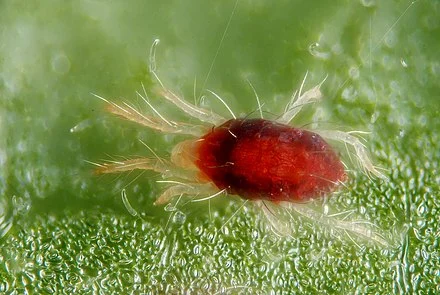
The red spider mite, also known as Tetranychus urticae, is a tiny arachnid pest that affects a wide range of plants. These pests are part of the Tetranychidae family and are commonly referred to as two-spotted spider mites due to the characteristic two dark spots on their bodies. Although they are called “red” spider mites, their color can range from red, brown, and green to yellow, depending on the species and life stage.
Red spider mites are known for their rapid reproduction rate, especially in hot and dry conditions. They are often found on the undersides of leaves, where they feed by piercing the plant cells and sucking out the contents. This feeding action causes a stippled or speckled appearance on the leaves, eventually leading to yellowing, leaf drop, and reduced plant vigor if left uncontrolled.
Lifecycle and Habits
• Lifecycle: Red spider mites undergo several life stages: egg, larva, nymph, and adult. A single female can lay hundreds of eggs, which hatch in a few days under optimal conditions. This rapid reproduction can lead to large infestations in a very short period, especially during hot and dry weather.
• Habits: These mites prefer warm, dry environments and thrive in temperatures ranging from 27°C to 37°C. They reproduce quickly in such conditions, making it crucial to detect and control them early.
Signs of Red Spider Mite Infestation
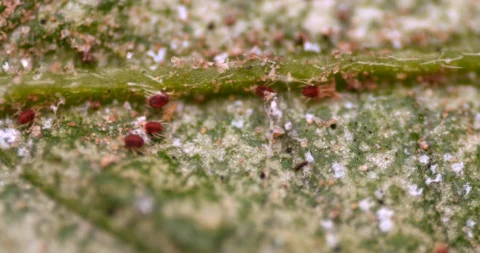
• Visible Mites: Tiny red, brown, or greenish dots moving on the underside of leaves.
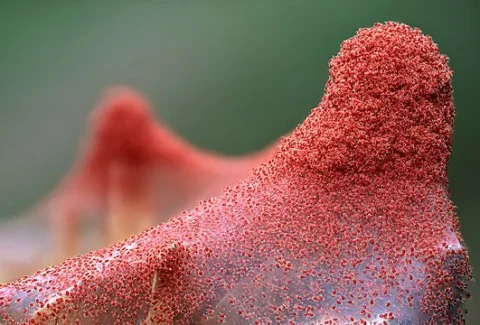
• Webbing: Fine silk webbing often covers the leaves and stems in severe infestations.
• Leaf Damage: Leaves may appear speckled, stippled, or discolored and may eventually turn yellow and fall off.
• Plant Decline: Severe infestations can lead to stunted growth, reduced yields, or even plant death.
Organic Control Methods for Red Spider Mites
Controlling red spider mites organically involves a combination of cultural, physical, and biological strategies. Here are some effective organic methods to manage and prevent red spider mite infestations:
1. Prevention through Healthy Soil and Plants
• Healthy Soil: Maintaining healthy, well-fed soil is the first line of defense. Healthy plants have natural immunity and can better withstand pest attacks. Incorporate organic matter, compost, and well-rotted manure into the soil to improve its fertility and structure.
• Avoid Over-Fertilization: Overuse of nitrogen-rich fertilizers can promote soft, sappy growth that is more susceptible to pests like spider mites. Use balanced organic fertilizers to keep plants healthy without promoting excessive growth.
2. Microclimate Management
• Increase Humidity: Red spider mites thrive in hot and dry conditions. Keeping the microclimate around your plants humid and cool can discourage their growth. You can achieve this by regular misting of plants or placing a water tray near the plants to increase humidity.
• Shade and Mulching: Mulching with organic materials like straw or compost can help retain soil moisture and keep the root zone cool, reducing mite activity. Providing shade during the hottest part of the day can also help in controlling the microclimate.
3. Water Sprays
• Misting: If red spider mites appear, spray the top and bottom of the leaves with a fine mist of water in the mornings and afternoons/evenings for four to five days. This disrupts their breeding cycle and helps to wash them off the plants. Misting is especially effective in dry climates.
• High-Pressure Water Spray: A strong jet of water can physically remove mites and their eggs from the leaves. Be gentle enough to avoid damaging the plant but firm enough to dislodge the pests.
4. Biological Control
• Predatory Mites: Introducing natural predators like Phytoseiulus persimilis and Amblyseius californicus can effectively reduce spider mite populations. These predatory mites feed on red spider mites and help keep their numbers in check.
• Ladybugs and Lacewings: These beneficial insects also feed on spider mites and can be released in the garden to control infestations.
5. Organic Pesticides and Miticides
• Neem Oil: Neem oil is an effective organic pesticide that works by disrupting the feeding and reproductive cycles of spider mites. It also has a repellent effect.
• Insecticidal Soaps: These are specially formulated soaps that target soft-bodied insects like spider mites by breaking down their protective outer layer, causing them to dehydrate.
• Horticultural Oils: Oils like canola or mineral oil can smother mites and their eggs. Ensure thorough coverage on both sides of the leaves for the best results.
• Commercial Organic Pesticides: Check with local suppliers like AgriGro for organic pesticide options that are effective against spider mites. These products are designed to target spider mites without harming beneficial insects or the environment.
6. Cultural Practices
• Regular Monitoring: Regularly inspect plants, especially the undersides of leaves, for early signs of mite infestation. Early detection can make control easier and prevent spread.
• Prune Infested Parts: Remove and dispose of heavily infested leaves or plant parts to prevent the mites from spreading to healthy areas. Ensure proper disposal to avoid reinfestation.
• Crop Rotation and Companion Planting: Rotate susceptible crops to different locations each season, and consider planting mite-repellent companion plants like garlic, onions, or chives near vulnerable crops.
Conclusion
Red spider mites can be a significant pest in gardens and farms, especially in hot and dry conditions. However, by maintaining healthy plants, managing the microclimate, using water sprays, introducing natural predators, and employing organic pesticides, you can effectively control and prevent red spider mite infestations in an organic and sustainable way. Early detection and consistent management are key to keeping these pests in check while maintaining a healthy and productive garden.