
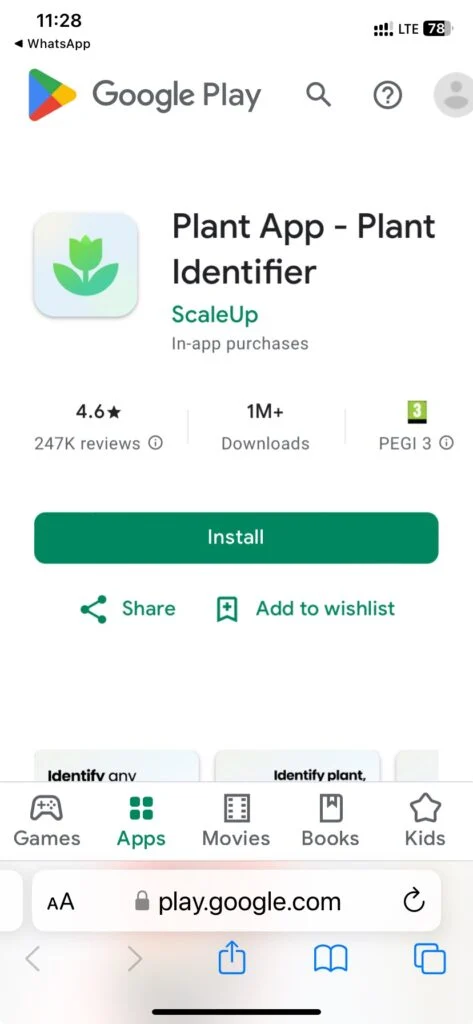
For permaculturists and organic gardeners who are keen on identifying plants effectively and understanding their roles within an ecosystem, several plant identifier apps could be particularly beneficial. Here are some top recommendations:
1. PictureThis
This app uses AI to identify plants from photos and provides detailed information about the plant’s care, benefits, and potential uses. It’s well-suited for organic gardeners and permaculturists because it can offer insights into companion planting and ecological benefits.
2. iNaturalist
A joint initiative by the California Academy of Sciences and the National Geographic Society, iNaturalist not only helps in identifying plants but also connects users with a community of over a million scientists and naturalists. This app can help permaculturists understand the biodiversity of their surroundings and contribute to citizen science.
3. Seek by iNaturalist
This is a more user-friendly version of iNaturalist targeted towards families and educational purposes. It encourages outdoor exploration and provides information on plants, insects, animals, and fungi, making it excellent for learning about the interactions within an ecosystem.
4. PlantNet
PlantNet is a citizen science project available as an app that allows you to take photos of plants and get them identified. It focuses on the plant species predominantly found in a specific region, which is helpful for organic gardeners and permaculturists who focus on native planting.
5. Agrobase
This app is particularly useful for those dealing with weeds, pests, and diseases. It’s an excellent tool for organic gardeners who want to manage their plants without chemical interventions, offering natural solutions and identifying potential threats to plant health.
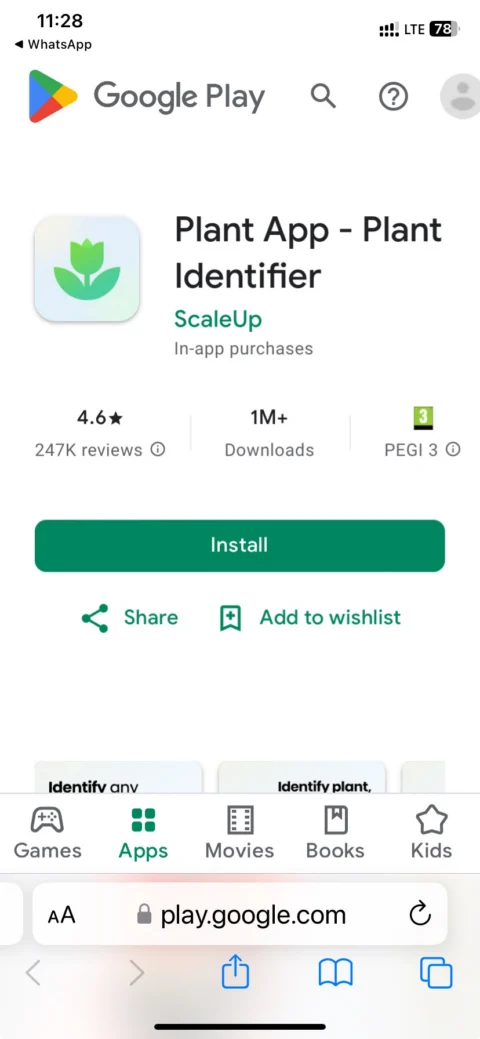
6. Plant App – Plant Identifier
7. https://www.sapp.earth/
The app Sapp (found at sapp.earth) is a web-based planning and educational platform designed for practitioners of regenerative systems such as syntropic agroforestry and permaculture. It features a searchable database of over 500 plant species, each with detailed management, propagation, spacing and usage information contributed by field experts from diverse climates. In addition, it includes a “Manager” tool that lets users design multiple food-forest layouts (i.e., grids) for different sites, track growth and plan yield systems. Sapp also offers community functionality — personal notes, discussion boards, and access to a network of practitioners — making it both a knowledge resource and a collaborative space.
Each of these apps has its strengths, so the best choice depends on your specific needs and interests in permaculture and organic gardening. Trying out a couple of them might help you decide which fits your gardening style and needs the best.
Canopi is a free desktop tool to plan food forests, gardens, and agroecological systems that work with your local soil and climate.