
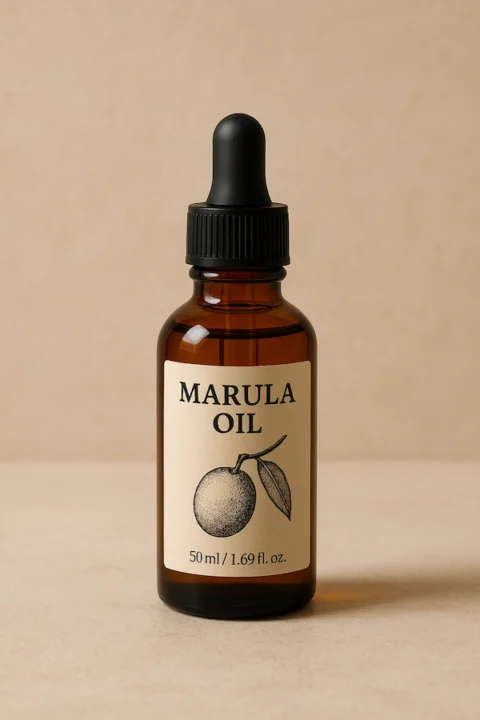
All about Cold Pressed Marula Oil:
Cold Pressed Marula Oil: Cold pressed marula oil is a natural and highly sought-after beauty product derived from the kernels of the marula fruit (Sclerocarya birrea). This oil extraction method involves using mechanical pressure to extract oil from the fruit’s kernels without the use of heat or chemicals. This gentle process helps retain the oil’s nutritional and skincare benefits.
Uses: Cold pressed marula oil is renowned for its versatility and numerous benefits for skin and hair. Some of its common uses include:
- Skincare: Marula oil is rich in antioxidants, essential fatty acids, and vitamins (such as vitamin E and C), making it a valuable addition to skincare routines. It helps moisturize and nourish the skin, promoting a healthy complexion. It can be used as a facial oil, body moisturizer, or even as a massage oil.
- Anti-Aging: The high levels of antioxidants in marula oil help combat free radicals and promote collagen production, which contributes to firmer and more youthful-looking skin.
- Hydration: Marula oil is lightweight and easily absorbed, making it an effective moisturizer for dry and sensitive skin. It helps to lock in moisture and prevent water loss, leading to improved skin hydration.
- Acne and Blemishes: Despite being an oil, marula oil has non-comedogenic properties, meaning it won’t clog pores. This makes it suitable for acne-prone skin, as it can help regulate oil production and soothe inflammation.
- Haircare: Marula oil can be used as a hair treatment to improve the condition of dry, damaged, or frizzy hair. It provides hydration, tames frizz, and adds shine without leaving a greasy residue.
Market: Marula oil has gained popularity in the cosmetic and skincare industry due to its potent skincare benefits and natural origin. The market for cold pressed marula oil has expanded globally, with increasing demand for natural and organic skincare products. This oil is often marketed as a premium ingredient in high-end skincare and haircare products.
Namibia, being the origin of the marula fruit, has a unique connection to the marula oil market. Local producers may play a significant role in the extraction and supply of marula oil. The global market for marula oil includes various products such as pure marula oil, serums, moisturizers, and hair treatments. Consumers seek marula oil for its proven benefits and its association with sustainability and traditional African practices.
As with any product, the quality of marula oil can vary based on factors such as sourcing, extraction methods, and processing. Consumers often look for certifications and reputable brands that prioritize sustainable sourcing and ethical production practices.
In conclusion, cold pressed marula oil is a valuable natural product with versatile uses in skincare and haircare. Its rise in popularity has contributed to a growing market for premium skincare products, and its association with Namibia adds to its unique appeal.
Check out this offer from Southern Botanicals and become a Marula Oil Producer.
Beyond its traditional and cosmetic applications, this natural product has an important ecological and economic story. The marula tree (Sclerocarya birrea) is indigenous to Southern Africa and grows well in semi-arid environments. It is often integrated into agroforestry systems because of its ability to provide shade, fruit, fodder, and income to rural households. Communities that cultivate or protect marula trees can benefit from multiple yields: the fruit pulp is eaten fresh or fermented into drinks, the kernels are roasted as snacks, and the nut oil is extracted for both culinary and cosmetic use.
From a conservation perspective, the marula is a keystone species for biodiversity. Its flowers feed pollinators, its fruits are consumed by wildlife such as elephants and antelope, and its wide canopy helps stabilise the soil. Encouraging the cultivation of marula in farming landscapes contributes not only to livelihood security but also to land regeneration.
The rise in international demand has created new opportunities for rural producers. Women’s cooperatives in Namibia, Botswana, and South Africa have been central to collecting and processing kernels, ensuring that profits remain in local communities. Fair trade and organic certification schemes are increasingly relevant, as they allow producers to access premium markets while protecting traditional knowledge and sustainable harvesting practices.
Scientific studies have also highlighted the oil’s stability and nutrient profile. Its high levels of antioxidants and monounsaturated fatty acids mean it resists rancidity better than many other cold-pressed oils. This makes it valuable not just in skincare but also in food preservation and even in certain industrial applications. As research continues, new uses are emerging, from biodegradable lubricants to natural preservatives in cosmetics.
Looking ahead, the marula tree represents a bridge between indigenous knowledge and modern innovation. By promoting community-based processing facilities, training in sustainable harvesting, and linking farmers to ethical buyers, the value chain can be strengthened. This in turn empowers rural households, reduces poverty, and contributes to climate adaptation strategies in dryland regions.
For further reading on sustainable trade and the wider cultural importance of the tree, see:
- Phytotrade Africa – an association supporting African natural product industries
- Bioversity International – research on underutilised crops such as marula
- Namibian Organic Association – local initiatives promoting ecological and fair production
Worthwhile videos
 Watch videoWatch this videoWatch videoygURbWFydWxhIG9pbCBtYWtpbmcWatch video%3D
