
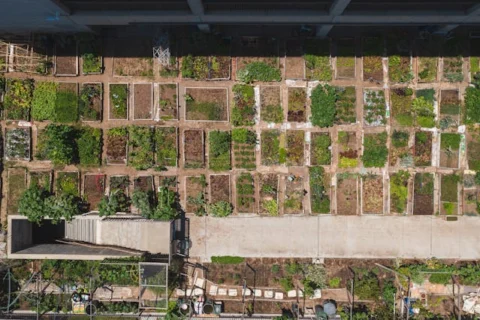
Urban Agriculture: Thriving in Arid Environments Through Permaculture
Introduction
Urban agriculture is gaining popularity as cities expand and the need for sustainable living becomes more critical. In arid regions, where water is scarce and environmental conditions are challenging, urban agriculture not only provides a source of local food but also contributes to the ecological health of urban areas. Permaculture, a system of agricultural and social design principles centered around simulating the patterns and features observed in natural ecosystems, is particularly suited to these environments. This article explores the concept of urban agriculture, focusing on permaculture methods tailored for arid urban settings.
Urban Agriculture in Arid Conditions
Urban agriculture involves growing plants and raising animals within and around cities. The benefits are significant—it reduces the urban heat island effect, enhances biodiversity, provides fresh produce, and can improve social well-being. In arid environments, these benefits are coupled with challenges such as water scarcity and intense heat, making innovative approaches essential.
Permaculture: A Sustainable Approach
Permaculture offers solutions that use minimal water and resources to create a sustainable agricultural system. This method emphasizes the harmony between human activities and the natural environment, incorporating the following principles tailored for arid urban settings:
- Observation and Interaction: Understanding the specific environmental conditions of the urban area to effectively design an agricultural system that thrives in an arid climate.
- Energy Conservation: Designing systems to minimize energy use, particularly in water transport and soil maintenance.
- Natural Resource Management: Utilizing locally available materials and promoting biodiversity to enhance the resilience of the garden.
Key Production Methods in Urban Permaculture
Rainwater Harvesting
- Collection Systems: Integrating rainwater harvesting systems into building designs, such as using rooftops and paved areas to capture runoff.
- Storage Solutions: Employing underground tanks or reservoirs to store water during dry periods.
Soil Building Techniques
- Composting: Turning organic waste into nutrient-rich compost to improve soil fertility and structure, which is crucial in arid soils that are often poor in nutrients.
- Mulching: Using organic materials to cover the soil surface, helping to retain soil moisture and regulate soil temperature.
Microclimate Creation
- Windbreaks and Shade Structures: Planting trees and constructing structures that provide shade and block wind can reduce evaporation and protect plants from harsh conditions.
- Green Walls and Roofs: These structures can insulate buildings from heat and reduce the urban heat island effect, while also providing space for agriculture.
Plant Selection and Diversity
- Drought-Resistant Crops: Choosing plant species that are adapted to dry conditions and have low water requirements.
- Polycultures: Growing a variety of plants together to enhance ecological balance, which can reduce pest populations and improve crop yield.
Efficient Water Use
- Drip Irrigation: Delivering water directly to the roots of plants, minimizing waste and maximizing efficiency.
- Greywater Systems: Reusing wastewater from the household (like from sinks and showers) for irrigation, reducing the demand for fresh water.
Case Studies and Success Stories
Several cities in arid regions around the world have successfully implemented urban agriculture projects using permaculture principles. For example, projects in Phoenix, Arizona, and parts of Southern California demonstrate how urban permaculture can effectively utilize scarce water resources to produce food.
Here is additional content to expand your article on Urban Agriculture, with a focus on real-world examples, Southern Africa projects, key books, resources, and external links. You can paste this at the bottom of your existing article:
Real-World Examples of Urban Agriculture
1. Soweto, South Africa – Rooftop Farming and Food Gardens
In the townships of Johannesburg, particularly Soweto, several community groups and NGOs have helped convert underutilised spaces—such as rooftops, verges, and empty plots—into productive gardens. One example is the Siyakhana Initiative, which supports food gardens in hospitals and clinics, integrating nutrition education and herbal medicine.
2. Cape Town – Oranjezicht City Farm
The Oranjezicht City Farm is a well-known example of turning an abandoned bowling green into a thriving organic farm in the heart of Cape Town. The project brings together volunteers, runs a market, and teaches school children about food production. It demonstrates how high-end urban environments can also benefit from accessible, educational agriculture.
3. Windhoek, Namibia – School-Based Gardens and Microfarms
Organisations such as the Living Earth Movement have begun supporting schools and communities in Windhoek to integrate small-scale food gardens, using greywater, wicking beds, and sack gardens to overcome water shortages. In low-income areas like Katutura, residents are adopting bucket gardens and micro-hydroponics to enhance food security.
4. Harare, Zimbabwe – Maize and Greens in the Suburbs
Due to persistent food insecurity and unemployment, many urban residents in Harare grow maize, covo (African kale), and tomatoes in road verges and backyards. Though often informal, these practices are crucial to survival and have now gained some municipal recognition.
5. Lusaka, Zambia – Integrated Livestock and Urban Farming
Zambia’s capital has seen a rise in chicken coops, rabbit hutches, and small aquaponic systems in densely populated areas. NGOs like Keepers Zambia Foundation have been promoting vertical farming and composting using food waste from informal markets.
Recommended Books
- “The Vertical Farm” by Dickson Despommier – A foundational book on how cities can grow food in tall buildings using hydroponics and vertical farming.
- “Urban Agriculture: Ideas and Designs for the New Food Revolution” by David Tracey – Offers both the theory and practical how-tos for city dwellers looking to grow food.
- “Greening the Red Zone” edited by Keith Tidball & Marianne Krasny – Highlights urban agriculture’s role in community recovery and resilience, especially after crises.
- “Farming in the City: Food Security and Urban Agriculture in South Africa” by Gareth Haysom – Explores South African contexts and includes research-based insights.
Online Courses and Resources
- FAO Urban Agriculture Portal: https://www.fao.org/urban-agriculture A global hub for research papers, case studies, and toolkits related to urban farming.
- RUAF Foundation (Global): https://ruaf.org A long-standing organisation dedicated to resource-sharing and research on sustainable urban agriculture.
- The South African Cities Network: https://www.sacities.net – Their food systems research includes reports on how city governments can integrate food growing into policy and planning.
- GrowVeg Africa YouTube Channel: Great for practical guidance on sack gardening, wicking beds, and urban permaculture in dryland and low-income contexts. Example: https://www.youtube.com/@GrowVegAfrica
Organisations to Watch (Southern Africa Focus)
- Abalimi Bezekhaya (Cape Flats, SA) – Supports micro-farmers with training, seedlings, and market access.
- Green Africa Network (Namibia) – Encourages ecological living and small garden start-ups through community workshops.
- Practical Action (Zimbabwe) – Provides toolkits for micro-irrigation, food preservation, and urban aquaponics.
- Kambashu Institute (Namibia) – Runs practical sustainability courses, including urban food growing in resource-constrained settings.
Conclusion
Urban agriculture is more than a food source—it’s a path to resilience, community building, and self-reliance. From sack gardens in Windhoek to rooftop farms in Cape Town, the Southern African region holds a rich tapestry of models and lessons. With the right support and local innovation, our cities can become not just consumers, but producers of their own sustenance.
Conclusion
Urban agriculture in arid environments poses unique challenges but also offers immense opportunities for sustainable development. By adopting permaculture principles, urban areas can create resilient agricultural systems that support local food production and ecological health. As water scarcity becomes a more pressing issue globally, these practices are not just beneficial but essential for the future of urban living.
Through education, community involvement, and thoughtful design, urban agriculture can transform arid cities into lush, productive landscapes that support both people and the planet.
