
Chickens readily investigate many insects, including termites. That observation does not make termite collection a complete feeding system. Consider species, contamination, habitat and the value of the insects in the soil before encouraging or harvesting them.

From the Namibian discussions
The Namibian collection shared an online tutorial about growing termites for chickens. A shared tutorial is a useful lead, but it is not evidence that the method was tried locally or that an overseas termite species behaves like those at your site.
Observe what is already happening
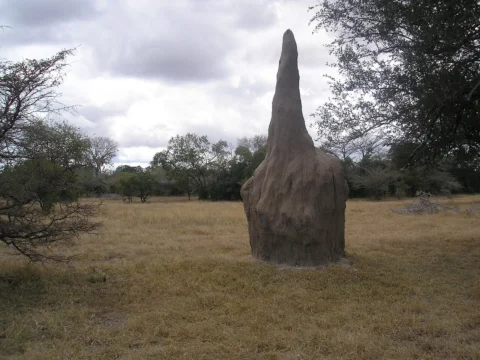
Record when chickens find termites naturally and where activity occurs. Keep photographs for identification and avoid disturbing structures or valuable trees. Termites have important ecological roles; widespread mound destruction is not a sensible default method for obtaining a small feed supplement.
Keep the trial away from buildings
Do not deliberately attract wood-feeding termites beside houses, fence posts or stored timber. If you investigate a collection method, obtain local species and pest-management advice first. Never use insects from treated wood, pesticide-contaminated ground or poisoned colonies as animal feed.
Use a balanced feeding plan
FAO reviews insects as potential feed resources while highlighting the need for appropriate production and safety assessment. Different insects are not nutritionally interchangeable. Keep the birds’ normal balanced feed and ask for species-specific feeding guidance before relying on collected insects for a substantial share of the ration.
Make the result useful
- Record the collection location and whether pesticide exposure is known or uncertain.
- Note labour, amount collected and the number of birds receiving it.
- Observe bird health and avoid keeping damp, spoiling material for later feeding.
- Compare the effort with other locally available feed options before enlarging the trial.
Namibian climate and microclimate
Termite activity varies with rainfall, soil and species. A seasonal flush after rain is different from a year-round feed supply. Plan poultry nutrition for the lean period as well as the easy collecting period.
Your first practical step
Observe and photograph natural termite activity at a safe site, then seek identification before creating a feeding experiment.
Watch and adapt
Publisher: Discover JKUAT — Jomo Kenyatta University of Agriculture and Technology
Country and context: Kenya-based university; exact filming site not independently confirmed.
A university introduction to cricket production. It does not establish Namibian production costs or validate termite-rearing methods.
The supporting material concerns insect production generally. It does not validate the shared termite tutorial or identify Namibian termites.
Keep exploring
- Critical Guide to Organic Pest Control in Southern Africa: Proven Natural Solutions for Healthier Crops
- Insects for Homestead Chicken & Fish Feed
- Feeding the chicken
Sources and further reading
Have you tried this in Namibia? Share the site conditions, method and result—including what did not work—with the Living Earth community. Local observations help the next person adapt the idea.