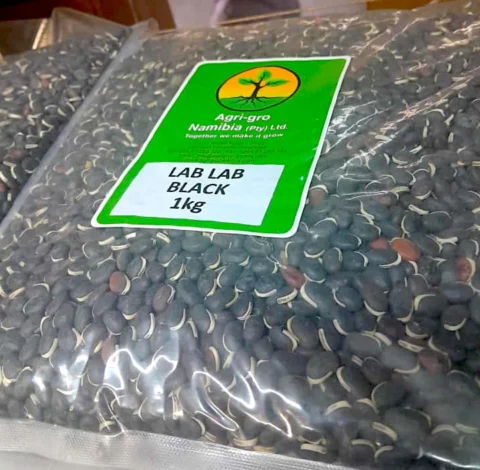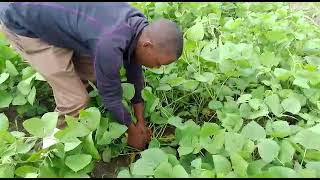
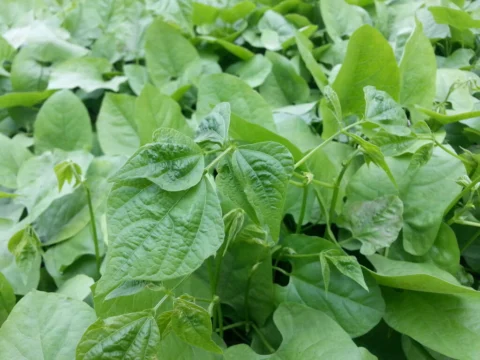
Lablab (Lablab purpureus) in Arid Namibia: A Resilient and Multi-Purpose Crop
Lablab (Lablab purpureus), also known as hyacinth bean or dolichos bean, is a highly adaptable legume that thrives in dry climates. It is valued for its ability to provide nutritious food for humans, forage for animals, and improve soil fertility. In Namibia’s arid regions, where water is scarce and soils are often degraded, Lablab offers a sustainable solution for farmers and homesteaders looking to enhance productivity while conserving resources.
Characteristics of Lablab
• Plant Type: Leguminous annual or perennial vine
• Climate Suitability: Thrives in hot, arid, and semi-arid environments
• Water Requirements: Drought-tolerant; survives on minimal water
• Soil Preference: Grows well in sandy or degraded soils with organic matter
• Growth Habit: Can climb or sprawl, making it versatile for various uses
Uses of Lablab in Arid Namibia
1. Animal Feed
• Description: Lablab produces high-protein leaves, stems, and pods suitable for feeding cattle, goats, and sheep.
• Benefits: Provides a reliable forage source during dry seasons, boosting livestock health and productivity.
2. Human Food
• Description: The beans can be eaten fresh or dried, while young leaves are consumed as vegetables.
• Benefits: Offers a nutritious source of protein and energy, enhancing food security for rural households.
3. Soil Fertility Building
• Description: As a nitrogen-fixing legume, Lablab naturally enriches the soil by converting atmospheric nitrogen into a form that plants can use.
• Benefits: Improves soil fertility and supports healthy crop growth without external inputs.
4. Cover Crop and Erosion Control
• Description: Lablab’s dense foliage acts as a natural mulch, protecting soil from wind and water erosion.
• Benefits: Conserves moisture, reduces evaporation, and stabilises the soil in dry and degraded areas.
5. Green Manure
• Description: When ploughed into the soil, Lablab adds organic matter, improving soil structure and water retention.
• Benefits: Enhances the soil’s ability to support other crops in rotation systems.
6. Support for Biodiversity
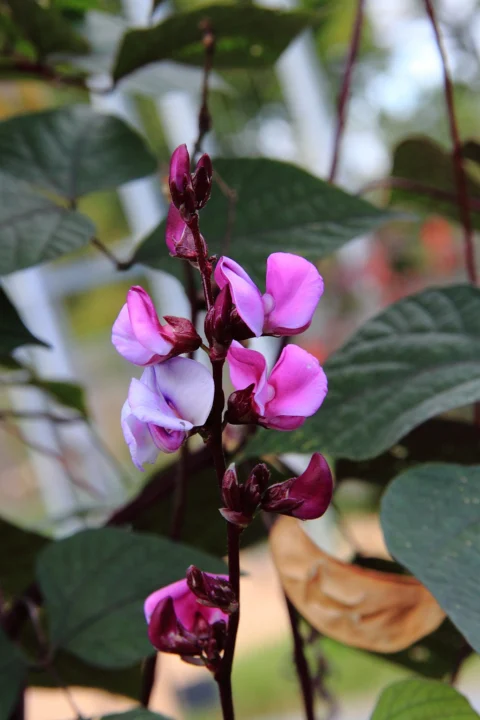
• Description: Lablab flowers attract bees, butterflies, and other beneficial insects.
• Benefits: Promotes pollination and supports healthy ecosystems.
How to Grow Lablab in Namibia
1. Site Selection
• Choose well-drained soil in a sunny location. Even sandy or degraded soils can support Lablab if organic matter is added.
2. Planting
• Timing: Plant Lablab at the start of the rainy season (November to February).
• Seed Preparation: Soak seeds overnight to improve germination.
• Spacing: Sow seeds 30–50 cm apart, either in rows or as a cover crop.
3. Watering
• Lablab requires little water once established but benefits from occasional watering during prolonged dry spells, especially in its early growth stages.
4. Soil Care
• Incorporate compost, manure, or other organic matter into the soil before planting. These additions help boost soil fertility and retain moisture.
5. Weeding
• Keep the area weed-free during the first few weeks to reduce competition for nutrients and water. Once established, Lablab’s dense growth suppresses weeds naturally.
6. Harvesting
• For Animal Feed: Harvest leaves and stems before flowering for maximum nutritional value.
• For Seeds: Allow pods to mature and dry on the plant, then collect and store the seeds for future planting or cooking.
Benefits of Lablab in Namibia
• Drought Resilience: Requires very little water and can survive prolonged dry periods, making it ideal for Namibia’s climate.
• Low Input Needs: Grows well with compost and organic matter, reducing the need for costly inputs.
• Multiple Uses: Serves as food, forage, soil improver, and cover crop, offering diverse benefits.
• Supports Regeneration: Restores soil health and prevents erosion in degraded landscapes.
• Enhances Biodiversity: Attracts beneficial insects and creates a balanced ecosystem.
Organic Practices for Success
• Enrich the soil with natural compost or well-decomposed animal manure to provide essential nutrients.
2. Mulching
• Apply organic mulch around Lablab plants to conserve soil moisture, regulate temperature, and suppress weeds.
3. Crop Rotation
• Rotate Lablab with other crops like millet, sorghum, or maize to maintain soil fertility and break pest cycles.
• Plant pest-repellent species like marigolds nearby to protect Lablab from common pests such as aphids and borers.
5. Seed Saving
• Collect and store seeds from mature pods to ensure a continuous supply for future planting.
Challenges and Solutions
1. Seed Availability
• Challenge: Access to seeds may be limited in some areas.
• Solution: Farmers can establish local seed banks to save and share seeds.
2. Early Growth Care
• Challenge: Young plants may struggle in poor soils or compete with weeds.
• Solution: Add compost at planting and provide regular weeding in the first few weeks.
3. Pests
• Challenge: Pests like aphids may occasionally attack Lablab.
• Solution: Use organic pest control methods like neem oil or companion planting.
It’s vital role beyond farming:
Beyond its agricultural uses, this resilient legume has played a vital role in traditional farming systems across Africa and Asia for centuries. Its ability to fix nitrogen makes it a powerful ally in restoring depleted soils, especially in arid and semi-arid zones. Farmers have long appreciated how it grows vigorously during the rainy season, providing ground cover that suppresses weeds, prevents erosion, and supports moisture retention.
In East Africa, smallholder farmers often intercrop it with maize or sorghum, improving yields without the need for synthetic inputs. In southern India, it is grown in home gardens and used in curries, stews, and chutneys. Its use as a forage crop is also noteworthy—livestock feed made from this plant boosts animal nutrition, especially during dry spells when other fodder options are scarce.
Home gardeners can also benefit from planting it along fences or trellises, where it grows vertically and attracts pollinators. Its flowers are not only visually appealing but also beneficial in attracting bees, which in turn supports nearby crops that depend on pollination.
Recommended Reading
To learn more about this legume and similar multipurpose crops, the following books and resources are highly recommended:
- “Lost Crops of Africa: Volume II – Vegetables” by the National Research Council. This excellent volume includes detailed chapters on underutilised African crops and their potential to address food insecurity and improve soil health.
- “Famine Foods” by Paul E. Minnis. Although broader in scope, this book provides insight into edible plants used in times of hardship, including several climbing legumes.
- “The Tropical Agriculturalist: Forage Legumes” by W. D. Pitman and Luis E. Sollenberger. A practical guide with a section on various forage options for tropical climates.
- Online Resource: ECHOcommunity.org – A treasure trove of practical documents and field notes, including guides to integrating legumes into sustainable farming systems.
Whether you are aiming to build resilient farming systems, reduce input costs, or regenerate soil, this legume—though often overlooked—offers powerful benefits. Its role in sustainable agriculture is growing, and it deserves a central place in the toolbox of every agroecologist, homesteader, or permaculture practitioner.
Conclusion
Lablab (Lablab purpureus) is a remarkable crop that offers multiple benefits for farmers and communities in Namibia. Its ability to thrive in dry conditions, improve soil fertility, and provide food and forage makes it an essential tool for sustainable farming. By adopting organic practices and utilising this resilient legume, Namibian farmers can build healthier soils, feed their families and livestock, and protect their land from erosion—all while conserving precious water resources.