
Keeping pigeons can be beneficial for smallholder farmers in various ways, and feeding them homegrown feed can be cost-effective and rewarding. Here’s a simple guide on why and how to keep pigeons and feed them with homegrown food:
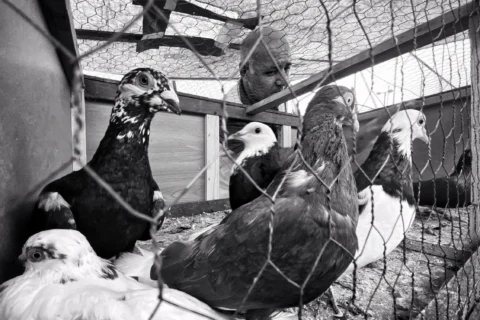
Why Keep Pigeons:
- Protein Source: Pigeon meat is a good source of protein, which is essential for human nutrition. Keeping pigeons can provide an additional protein source for the farmer and their family.
- Manure Production: Pigeon droppings are rich in nutrients and make excellent fertilizer for crops. The manure can be used to improve soil fertility, leading to better yields in the farm.
- Pest Control: Pigeons can help control insect pests in the farm by eating insects and larvae that may damage crops.
- Low Space Requirement: Pigeons can be kept in relatively small enclosures, making them suitable for farmers with limited space.
How to Keep Pigeons and Feed Them Homegrown Feed:
- Building a Pigeon Coop:
- Construct a simple, secure coop or pigeon house using locally available materials like wood, bamboo, or mud bricks.
- Ensure the coop has proper ventilation and protection from predators.
- Acquiring Pigeons:
- Obtain healthy pigeons from a reputable source. Look for pigeons that are disease-free and have good breeding potential.
- Feeding Pigeons:
- Homegrown grains like corn, wheat, barley, and millet can form the base of the pigeons’ diet. These grains can be easily grown on the farm or purchased from local markets.
- Offer a balanced diet by adding various seeds such as sunflower seeds, safflower seeds, and sorghum to provide essential nutrients.
- Pigeons also need grit (small stones) to help them digest their food properly. They swallow the grit, and it stays in their gizzard to grind the grains they eat.
- Supplementing with Greens:
- Supplement the pigeons’ diet with fresh green vegetation. You can feed them kitchen scraps like lettuce, spinach, or even grass from your farm.
- Green fodder can be grown in a small plot near the pigeon coop, providing a steady supply of nutritious greens.
- Providing Fresh Water:
- Make sure the pigeons have access to clean, fresh water at all times. Water is essential for their well-being and digestion.
- Health Care:
- Regularly inspect the pigeons for signs of illness or parasites. If you notice any issues, seek advice from a local veterinarian or experienced pigeon keeper.
- Keep the coop clean and maintain good hygiene to prevent diseases.
- Breeding Management:
- If you plan to breed pigeons, provide nesting boxes or areas for them to build nests.
- Pigeons are generally good at raising their young, but monitoring the nests and providing a safe environment can be helpful.
- Harvesting Pigeons and Using Manure:
- Once the pigeons are ready for harvest, you can process the meat for consumption or sale.
- Use the pigeon droppings as fertilizer in your fields. Dilute it with water to create a nutrient-rich liquid fertilizer or apply it directly to the soil.
Remember, starting small and gradually expanding your pigeon keeping venture can be a wise approach. It’s essential to learn about pigeon care, observe their behavior, and adapt your management practices accordingly. Keeping pigeons and feeding them with homegrown feed can be a sustainable and beneficial addition to a smallholder farmer’s livelihood.