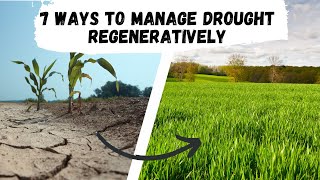

Maintaining a healthy soil biome during challenging conditions such as winter and drought is crucial in organic farming. Here are some strategies to help keep the soil ecosystem active and thriving during these times:
1. Mulching: Applying a thick layer of organic mulch, such as straw, leaves, or wood chips, helps to insulate the soil against extreme temperature changes in winter and reduces water evaporation during drought periods. Mulch also gradually breaks down, adding organic matter to the soil, which feeds soil microbes.
2. Cover Cropping: Planting cover crops like clover, vetch, and rye during the off-season is highly beneficial. These plants can protect the soil from erosion, help retain moisture, add organic matter when tilled back into the soil, and fix nitrogen, improving soil fertility.
3. Reduced Tillage: Minimizing tillage helps preserve the soil structure, reduces erosion, and maintains the habitat for soil organisms. No-till or reduced-till practices are beneficial as they help retain soil moisture and protect the microbial community.
4. Adding Organic Matter: Regularly adding compost or other organic matter improves the soil’s water retention capability and provides essential nutrients and energy for microbial life. This is especially vital before a drought period to ensure the soil has enough organic content to support a diverse microbial ecosystem.
5. Appropriate Irrigation: During drought, appropriate irrigation techniques are crucial. Drip irrigation or soaker hoses deliver water directly to the plant roots with minimal evaporation, preserving moisture levels efficiently.
6. Maintaining Plant Diversity: A diverse planting strategy supports a wide range of soil organisms, contributing to a resilient soil ecosystem. This diversity also helps in maintaining a balanced soil pH and nutrient levels, which are vital for microbial health.
7. Monitoring and Adjusting pH Levels: Soil pH affects microbial activity and nutrient availability. Regularly testing and adjusting soil pH to maintain it within an optimal range for plant growth helps keep the soil biology active.
8. Avoiding Chemicals: Steer clear of synthetic chemicals and pesticides which can harm beneficial soil organisms. Organic alternatives like neem oil, insecticidal soaps, and biological controls support a healthy soil biome.
By implementing these practices, organic farmers can help protect and enhance their soil biomes during the harsh conditions of winter and drought, leading to more resilient farming systems.
How to maintain Healthy Soil During Harsh Seasons
Maintaining healthy soil during winter and droughts isn’t just a good gardening habit – it’s an essential survival strategy in dryland countries like Namibia. Soil is more than just dirt. It’s a living system teeming with microbes, fungi, organic matter, and minerals that all work together to support plant growth. If we don’t care for it during tough times, the damage can be long-lasting – and even permanent.
Here’s how to protect and rebuild healthy soil when water is scarce, temperatures drop, and your garden or farm seems dormant.
1. The Life Beneath Your Feet: Why Healthy Soil Matters
When soil is alive, it breathes. It retains moisture, allows air to flow, feeds your crops, and breaks down organic matter. But when neglected, especially in winter or drought, soil turns hard, compacted, dusty, or even salty. That’s why keeping your soil biologically active and protected is the foundation of long-term resilience – especially in dry climates.
Key characteristics of healthy soil include:
- Good structure (crumbly, not compacted)
- High organic matter
- Abundant microbial life
- Moisture-holding capacity
- Minimal erosion or surface crusting
When we maintain these features year-round, we can recover more quickly from climate shocks, plant earlier in the season, and reduce our reliance on expensive inputs like fertilisers or irrigation.
2. Cover Is King: The Role of Mulch and Cover Crops
One of the best ways to keep your soil healthy in winter and drought is to never leave it bare.
Mulching with dry plant matter, crop residues, chopped weeds, straw, cardboard, or even old compost:
- Keeps the surface cool and moist
- Protects from wind and sun erosion
- Feeds soil microbes as it breaks down
- Prevents compaction from raindrops or frost
If you have the ability to plant, cover crops (also called green manures) offer even more benefits:
- They shade the soil and reduce evaporation
- Their roots hold the soil in place
- Leguminous cover crops like lablab, cowpea, or sunn hemp fix nitrogen
- They suppress weeds and encourage healthy soil microbial activity
Even in dryland settings, hardy drought-tolerant cover crops like pigeon pea, teff, or mucuna can thrive and provide excellent protection.
3. Don’t Disturb It: Why No-Dig Is Better
Tilling and digging may seem like good ways to aerate or loosen soil, but during dry or cold periods, these actions can do more harm than good. Exposing the soil to sunlight and air:
- Kills off microbes and fungi
- Disrupts soil structure
- Accelerates moisture loss
- Increases erosion risk
Instead, try the no-dig or low-disturbance method:
- Leave roots in the soil to decompose
- Add organic matter and mulch on top
- Let worms and soil organisms do the digging
This helps you build healthy soil over time while reducing labour and water needs.
4. Keep It Fed: Feeding the Soil Without Plants
Even if you’re not planting, healthy soil still needs food. Soil microbes and fungi need carbon and nitrogen just like any living thing. If there’s nothing growing or decomposing, the underground life dies back.
Feed your soil during the off-season using:
- Compost (especially from diverse sources like kitchen waste, manure, leaves)
- Worm castings or diluted worm tea
- Manure teas or bokashi leachate
- Crushed charcoal (biochar) to improve long-term fertility
These inputs increase microbial diversity, moisture retention, and mineral content – all essential ingredients for healthy soil.
5. Avoid Salt and Chemical Burn
Many farmers and gardeners unknowingly damage their soil by using excessive synthetic fertilisers, especially in winter when uptake is slow. This causes salts to build up, creating a crust or burning tender root hairs. Over time, this reduces microbial life and nutrient availability.
If you must fertilise, use organic, slow-release sources:
- Well-aged compost
- Rock phosphate (for phosphorus)
- Wood ash (for potassium – use sparingly)
- Seaweed or fish emulsions
And always test your soil before applying anything. Over-fertilising is one of the fastest ways to kill healthy soil.
6. Harvest Water, Not Just Rain
Even in the driest months, you can often harvest water from dew, fog, greywater, or small surface flows. Redirect these into your soil – not down the drain.
Ideas for dry-season water harvesting:
- Use swales or basins to collect runoff
- Channel roof water to soakaway pits
- Reuse kitchen rinse water on fruit trees or mulch beds
- Plant vetiver or banana circles to hold water
- Add water-retentive materials like clay-rich compost or biochar
Moisture is key to maintaining healthy soil. Even a small amount of available water, if well-directed, can keep your soil ecosystem alive.
7. Roots Rule: Use Deep-Rooted Perennials
Deep-rooted trees and perennials can access water and nutrients far below the surface, bringing them up for the rest of your garden. Their roots also aerate compacted layers and host beneficial fungi like mycorrhizae.
Great perennial allies for healthy soil include:
- Pigeon pea
- Vetiver grass
- Lucerne
- Moringa
- Fodder trees like Leucaena and Tagasaste
- Sweet potato vines (great ground cover!)
Planting these during the wet season helps maintain protection and nutrient cycling through the dry and cold months.
8. Local Wisdom: Indigenous Techniques for Soil Care
Across Africa, people have developed ingenious ways to preserve healthy soil in dry climates. Examples include:
- Zai pits in the Sahel: small holes filled with compost to concentrate moisture
- Stone lines (bunds): reduce runoff and trap topsoil
- Contour farming: plough and plant across slopes, not down
- Agroforestry: using trees like Faidherbia or Marula to improve fertility
These low-cost, traditional practices are perfectly suited to Namibia’s environment and should be revived and shared.
9. Think Microbes: Boosting Underground Life
You can’t have healthy soil without a thriving community of bacteria, fungi, protozoa, and earthworms. Many gardeners overlook this “hidden herd,” but they do most of the work of soil building.
To boost soil life:
- Add compost teas or effective microorganisms (EM)
- Avoid pesticides and chemical fertilisers
- Maintain consistent moisture under mulch
- Grow a diversity of plants (roots feed different microbes)
Treat your soil like a living organism – feed it, protect it, and it will feed you back.
10. Planning Ahead: Create a Soil Calendar
Just like we plan when to plant crops, we should plan when and how to care for our soil throughout the year.
A seasonal soil calendar might look like:
| Season | Soil Action Plan |
|---|---|
| Late Summer | Compost prep, cover crop seeding |
| Autumn | Mulching, water harvesting, pruning perennials |
| Winter | Add compost or worm tea, no-dig bed maintenance |
| Early Spring | Light compost layer, test moisture, prep for sowing |
Making soil care routine ensures you always have healthy soil, no matter the season.
11. Small Farmers, Big Impact
Many people think that only large-scale farms can invest in soil health, but that’s far from true. In fact, smallholder farms and backyard growers can often improve healthy soil faster because:
- They are more hands-on
- They use less machinery
- They adapt quickly
- They can recycle all their organic waste
If every homestead in Namibia focused on protecting and enriching their soil, the impact on food security, nutrition, and climate resilience would be enormous.
12. Books & Resources for Healthy Soil in Africa
To go deeper, consider the following excellent resources:
- “The Soul of Soil” by Grace Gershuny & Joe Smillie – Easy introduction to soil life
- “Teaming with Microbes” by Jeff Lowenfels – Brilliant on soil biology
- SRI Africa Soil Health Library – https://sri-africa.net/soil-health-resources
- Regeneration International – https://regenerationinternational.org/soil/
- SOIL School by Kiss the Ground (free videos and soil tips)
13. Worthwhile Videos
- How to Build Soil Health Without Chemicals – YouTube by Regenerative Agriculture Podcast
 Watch videoWatch this video
 - Mulching for Soil Health – Edible Acres
 Watch videoWatch this video
 - Africa’s Soil Health Crisis – and How to Fix It
 Watch videoWatch this video
14. Final Words: Soil is the Bank Account of Your Farm
Every handful of healthy soil is like a savings account for your future harvests. You can withdraw from it (in the form of crops), but if you don’t keep making deposits – organic matter, water, microbes – it will run dry. In times of crisis, the farms with the best soil health are the ones that bounce back fastest.
So even when you’re not planting, never stop tending your soil. It’s your most valuable long-term asset.