
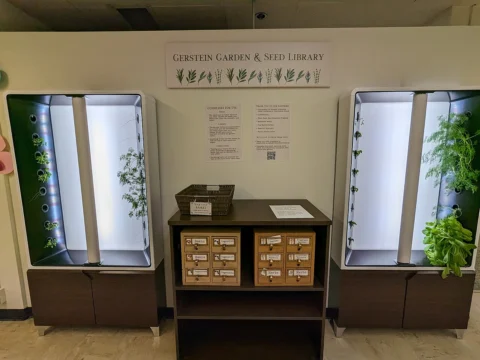
A growing tower can place several plants in a small footprint. Some towers mist suspended roots, while others circulate nutrient solution through channels or growing media. The shape alone does not tell you how the system works or whether it suits your home.

From the Namibian discussions
An aeroponic-tower item was saved in the Namibian collection without a written local operating record. It is a useful idea to investigate, particularly where space is limited. Ask for measured water, energy, labour and harvest records before accepting a claim about exceptional efficiency.
Follow the roots and water
Oklahoma State University describes aeroponics as roots suspended in a chamber and sprayed with nutrient solution. That dependence on delivery makes pumps, timers, nozzles and access important. Ask the supplier to show the root space, return flow and cleaning procedure rather than only the leafy outside.
Check the whole daily routine
- Choose crops that fit the available light, root space and support system.
- Confirm the source-water quality and the measurements needed to manage nutrients and pH.
- Ask what protects plants during power failure, a blocked nozzle or an empty reservoir. Test the alarm or backup arrangement before planting.
- Check that the tower is stable and that electrical equipment is suitably installed away from splashing water.
Measure the advertised saving
Record initial fill, top-ups, discarded cleaning solution and any leaks. Include pump energy, nutrient inputs and rejected crops. Compare usable harvest with a simpler container garden using the same location and care. A recirculating system still loses water through plants and maintenance.
Choose repairable equipment
Ask who supplies nozzles, pumps, seals and replacement parts locally. Ensure the reservoir and root chamber can be inspected and cleaned. For a school or community site, agree who checks it every day and during holidays. A system that looks tidy in a demonstration may be demanding when its caretaker is away.
Namibian climate and microclimate
Exposed towers can heat up, dry unevenly and catch strong wind. Shaded sides may grow differently from sunny sides. A foreign indoor installation does not establish performance outdoors in Namibia’s heat or winter cold.
Your first practical step
Ask for a live demonstration and a month of ordinary operating records. Start with one system only if its daily checks and repair needs fit your routine.
Watch and adapt
Watch: Oklahoma Gardening: aquaponics and hydroponics systems
Publisher: Oklahoma State University / OETA
Country and context: USA; Oklahoma.
The opening visit shows managed soilless production. It is a supporting systems lesson, not an aeroponic tower build; a transcript is available.
The film shows other soilless systems rather than the pictured tower. Compare their dependence on water quality, nutrient management, maintenance and power before considering an outdoor Namibian installation.
Keep exploring
Sources and further reading
Have you tried this in Namibia? Share the site conditions, method and result—including what did not work—with the Living Earth community. Local observations help the next person adapt the idea.