
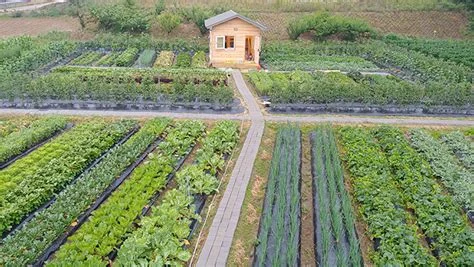
JADAM Pesticides are part of the broader JADAM Organic Farming system developed in South Korea by Youngsang Cho, the son of Han-Kyu Cho, founder of the Korean Natural Farming (KNF) movement. JADAM stands for “Jayonul Damun Saramdeul” — meaning “people who resemble nature.” The system was designed to make organic farming ultra-low cost, empowering farmers to produce their own agricultural inputs such as organic pesticides, fertilisers, and microbial solutions using locally available materials.
Philosophy and Background
JADAM’s philosophy centres on self-reliance, simplicity, and harmony with natural systems. Unlike commercial organic products that can be expensive and proprietary, JADAM focuses on open-source organic farming. Its founder, Youngsang Cho, promotes the idea that “farming must be scientific, simple, and low-cost.”
The JADAM Organic Farming method encompasses soil fertility management, pest and disease control, and microbial ecology. The pesticides in this system are primarily plant-based, made from natural extracts combined with soap and minerals, allowing farmers to manage pest outbreaks effectively without resorting to synthetic chemicals.
Key Ingredients in JADAM Pesticides
JADAM Pesticides (often referred to as JWA, JS, JHS, or JADAM Sulphur) are typically made using a combination of the following base components:
- JWA (JADAM Wetting Agent)
- Made from canola oil, water, and potassium hydroxide (KOH).
- Functions as a natural soap or surfactant that helps pesticide solutions stick to plant surfaces and pests.
- Recipe: JADAM Wetting Agent Guide
- JS (JADAM Sulphur)
- A mineral-based pesticide produced by combining sulphur, sea salt, and lye (NaOH).
- Effective against fungal diseases such as powdery mildew, downy mildew, and anthracnose.
- Non-toxic to humans and decomposes naturally in the soil.
- Reference: How to Make JADAM Sulphur
- JHS (JADAM Herbal Solution)
- A plant extract made by boiling pest-repelling herbs like garlic, ginger, hot pepper, neem, tobacco leaf, wormwood, and pyrethrum.
- The herbal extract is then mixed with JWA and water to form a potent pesticide spray.
- Each herbal component targets different pest groups (aphids, mites, caterpillars, etc.).
- Reference: JADAM Herbal Solution Details
- JLF (JADAM Liquid Fertiliser)
- Although not a pesticide, JLFs made from fermented weeds, leaves, or manure help strengthen plant immunity and indirectly reduce pest susceptibility.
Typical Pest and Disease Targets
JADAM Pesticides are used to control a wide range of insect pests and plant diseases, including:
- Aphids, thrips, and whiteflies
- Mites (e.g., red spider mites)
- Caterpillars and leaf miners
- Powdery mildew, downy mildew, anthracnose, rust, blight, and bacterial spot
Farmers usually apply a combination of JWA + JS + JHS in diluted form (typically 0.5–2%) depending on crop sensitivity and pest pressure.
Preparation and Cost
JADAM’s approach dramatically reduces the cost of pest control. For instance, 100 litres of JADAM Pesticide can cost as little as US$1–2 to produce, compared to commercial organic products that might cost US$10–30 for the same volume.
The preparation process emphasises safety — handling lye and sulphur requires care — but the end product is environmentally friendly and biodegradable.
Comparison to Korean Natural Farming (KNF)
While KNF uses fermented inputs like FPJ (Fermented Plant Juice), FAA (Fish Amino Acid), and OHN (Oriental Herbal Nutrient), JADAM simplifies these processes by using boiling and mineral extraction rather than fermentation. KNF is more biological, while JADAM is more chemical in principle but natural in input — both strive to restore the balance between soil life and plant health.
Legal Status and Use in Namibia
As of 2025, Namibia does not yet have formal organic standards or regulations that specifically address the use of farmer-made natural pesticides such as JADAM. However:
- JADAM inputs are composed of non-synthetic materials and would typically comply with international organic standards (e.g., IFOAM or EU Regulation (EC) No 834/2007) provided they are made with food-grade ingredients and applied responsibly.
- Farmers are advised to use these products on-farm rather than selling them commercially, as registration for pesticide sale under the Agricultural Pesticides Management Act would require toxicological data and approval from the Namibian Agronomic Board.
- Organic and permaculture practitioners in Namibia (e.g., through NOA – Namibia Organic Association) are beginning to explore JADAM methods as a low-cost, local alternative to imported organic inputs.
Farmers interested in learning more can consult:
Environmental and Social Impact
JADAM Pesticides are part of a regenerative approach to pest management, focusing on:
- Reducing dependency on imported agrochemicals.
- Empowering farmers to produce their own solutions locally.
- Improving soil and biodiversity health by avoiding synthetic toxins.
- Community education through JADAM study groups and online materials.
The movement has spread globally, with online communities sharing recipes and adaptation notes for different climates — including semi-arid regions similar to Namibia’s.
Learning Resources
- Official JADAM Website: https://www.jadam.kr/eng/
- Book: JADAM Organic Farming: Ultra-Low-Cost Agriculture by Youngsang Cho (Amazon link)
- YouTube Channel: JADAM Organic Farming Official
- Online Course: Regenerative Skills – JADAM Series
- Community Forum: Permies – JADAM Discussions
References
- Cho, Y. (2016). JADAM Organic Farming: Ultra-Low-Cost Agriculture. JADAM Books, South Korea.
- JADAM Organic Farming Official Website – https://www.jadam.kr/eng
- IFOAM Organic Standards, https://www.ifoam.bio
- Namibia Organic Association (NOA) – https://www.namibiaorganic.org