
Introduction
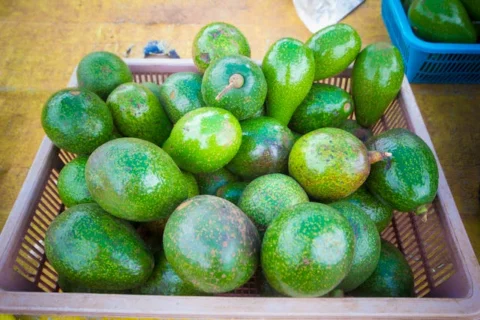
Avocados (Persea americana) are fast becoming a popular fruit crop in Namibia, thanks to their high market value, nutritional benefits, and adaptability to different climates. While they are traditionally grown in wetter regions, with the right techniques and microclimate management, avocados can thrive in Central Namibia’s semi-arid zones. This article explores how to grow them successfully, what varieties are best suited for this region, and practical advice from local growers.
Why Grow Avocados in Central Namibia?
Avocados are in high demand across Namibia, both for home consumption and the fresh produce market. In Windhoek and surrounding areas, prices remain strong year-round, especially for quality, locally grown fruit. Growing avocados can support smallholder income, promote food security, and regenerate microclimates when integrated with good water management and mulching.
While water is the main challenge in the region, strategic planting, greywater reuse, mulch, and windbreaks can make small-scale avocado production feasible and productive.
Climate & Soil Requirements
Avocados require:
- Mild frost-free conditions (Young trees are sensitive to frost).
- Well-drained soil – they don’t tolerate waterlogging.
- pH of 6.0–6.5 is ideal, though slightly acidic or alkaline soil can be amended.
- Low salinity – avoid salty water or brackish boreholes.
- Annual rainfall of 750–1000mm is ideal, but successful orchards in Namibia use drip irrigation and mulch to reduce water needs to about 400–600mm equivalent with care.
In Central Namibia, look for:
- Slightly sloping sites with good air circulation.
- Clay-loam or sandy-loam soils with organic matter added.
- North or northeast-facing slopes to warm the soil and protect from southerly cold winds.
Best Avocado Varieties for Central Namibia
Several varieties have been trialled successfully by farmers and enthusiasts near Okahandja, Windhoek, and Dordabis.
1. Hass
- Most popular commercial variety worldwide.
- Small to medium-sized fruit with dark, bumpy skin when ripe.
- Long shelf life.
- Requires pollinators (Type B) for better yields.
2. Fuerte
- Early-season green-skinned variety.
- Pear-shaped with creamy texture.
- Better cold tolerance than Hass.
- Cross-pollinates well with Hass.
3. Bacon
- Good for marginal climates with light frost.
- Smooth green skin, mild taste.
- Reliable as a pollinator for Hass and Fuerte.
4. Pinkerton
- Heavy bearer.
- Small tree size, ideal for backyard growers.
- High oil content, good quality fruit.
- Compatible pollinator with Hass.
5. Zutano
- Vigorous grower with cold tolerance.
- Often used as a pollinator (Type B).
- Lesser fruit quality but good tree for mixed orchard systems.
Planting and Spacing
- Planting time: Best in late winter to early spring (August–September), once frost risk has passed.
- Spacing: 5–7m apart for backyard or intensive orchard systems.
- Dig large planting holes (at least 60cm wide and deep), mix compost, sand, and topsoil.
- Use compost or worm tea at planting and during growth stages.
- Stake trees against wind and protect with shade nets during the first year.
Watering & Irrigation
- Avocados prefer frequent, light irrigation rather than deep, occasional watering.
- Use drip irrigation or greywater systems (e.g., from showers, kitchen rinse water).
- Mulch heavily to conserve moisture and suppress weeds (use wood chips, leaves, or compost).
- Avoid wetting the trunk directly – keep the root collar dry to prevent rot.
Fertilisation and Soil Health
- Feed trees with organic compost every 3–4 months.
- Apply rock phosphate, wood ash (small amounts), and seaweed-based foliar sprays for trace elements.
- Maintain a thick mulch layer (10–20cm deep) under the canopy to support mycorrhizal fungi.
- Use cover crops like lablab or clover between trees to fix nitrogen.
Pests and Diseases
- Fruit fly: Use pheromone traps and harvest before overripe.
- Root rot (Phytophthora): Ensure excellent drainage and avoid overwatering.
- Sunburn: Paint trunks with limewash or use shade netting.
- Mealybugs and aphids: Use neem sprays or introduce natural predators (ladybirds, ants).
Pollination
Avocados have A and B flowering types – for best results, plant both types to improve pollination and yields.
- Type A: Hass, Pinkerton
- Type B: Fuerte, Bacon, Zutano
Bees and flies are key pollinators, so encourage flowers and habitat around your orchard (e.g., wildflowers, basil, coriander).
Harvesting
- Trees begin bearing after 3–4 years, with full yield by year 7–8.
- Avocados do not ripen on the tree – they must be picked mature and allowed to ripen off the tree.
- Harvest by clipping with 1cm of stem to avoid decay.
- Best harvest season in Central Namibia:
- Fuerte and Bacon: April to June
- Hass and Pinkerton: June to September
Integration into Permaculture Systems
Avocados thrive in guilds with the following companions:
- Legumes (pigeon pea, beans) for nitrogen fixing.
- Comfrey as a dynamic accumulator and living mulch.
- Chickens to clean up fruit fly larvae.
- Bananas or papayas for shade and wind buffering.
- Sweet potatoes as groundcover and food crop.
Incorporate into food forests or greywater-fed circles in urban or rural homesteads.
Challenges in Namibia
- Frost damage in valleys or southern slopes – choose elevated spots.
- Poor soils – requires early amendment with compost and organic matter.
- High cost of seedlings – consider grafting your own.
- Water access – integrate with roofwater harvesting, mulch pits, and low-pressure drip systems.
Success Stories
- Windhoek growers have produced Hass fruit successfully on greywater-fed systems using heavy mulch and well-drained sandy soil.
- Farmers near Okahandja have intercropped avocado with lemon trees and fodder legumes for animal support and shade management.
- Backyard growers in Klein Windhoek report good yields from Pinkerton and Fuerte varieties when protected from frost and watered regularly.
Worthwhile Videos
 Watch videoHow to Grow Avocados in Dry Areas
 Watch videoAvocado Grafting for Beginners
 Watch videoWater-Wise Fruit Tree Guilds in Arid Regions
Recommended Books
- Growing Avocados in South Africa – Subtropical Fruit Growers Association
- The Home Orchard by UC ANR (California-focused but relevant)
- Permaculture: A Designer’s Manual by Bill Mollison
- Fruit Farming in Namibia (Agribook Namibia, if available)
External Resources
- Avocado Growers Association of South Africa
- Permaculture Research Institute
- FAO: Avocado Production Guide
Let me know if you’d like this exported as a formatted document or uploaded directly into your CMS.