
An outdoor oven can turn garden produce into shared meals and support a small baking activity. The useful question is not only how to build a dome, but whether the oven will be used often enough to justify its fuel, materials and space.
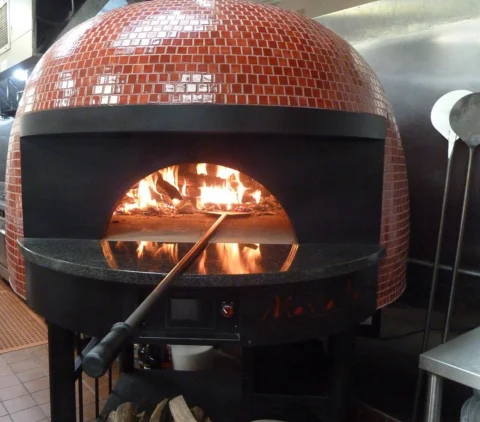

From the Namibian discussions
A pizza-oven item was saved for the Namibian wiki. It did not include a written local performance record. This guide develops that idea into a planning checklist, so builders can compare a real design and learn from people already using ovens nearby.
Choose the job before the design
Decide whether the priority is occasional pizza, several bread batches or community cooking. A retained-heat oven stores energy in its heated structure; oven size and insulation affect the heating routine. A large oven used for one small meal may waste fuel. Ask a builder to demonstrate the whole heating and cooking sequence.
Plan the site
- Place the oven outdoors on a stable, suitable base with safe separation from combustible structures and vegetation.
- Keep smoke away from doors, neighbouring homes and the usual windward seating area.
- Allow working room for hot trays, a food-preparation surface and handwashing. Keep raw ingredients separate from ready-to-eat food.
- Choose materials and an established design intended for cooking temperatures. Ordinary unknown bricks, coatings and improvised structural supports are not interchangeable with specified oven components.
Build and commission carefully
Use the designer’s foundation, insulation, curing and first-firing instructions. Dry-looking material can still contain moisture. A shelter must protect an earth oven from rain without trapping smoke or placing flammable roofing near the flue. Arrange inspection of heavy construction and any chimney by a competent builder.
Make a baking session worthwhile
Plan what will cook first and what can use declining heat afterward, following food-specific cooking guidance. Weigh the fuel and record the number of usable meals or loaves. Include failed batches and cleaning time when assessing a business. An oven thermometer measures the chamber; food may need a separate temperature check.
Namibian climate and microclimate
Inland wind and dry grass can carry embers; coastal damp can extend drying time. A site that is pleasant on a still evening may be uncomfortable or unsafe in the usual afternoon wind.
Your first practical step
Visit an operating oven and help with a full session. Sketch the working area and agree who will clean it, buy fuel and manage bookings before building a shared oven.
Watch and adapt
Publisher: ABC Gardening Australia
Country and context: Australia; exact filming locality not confirmed.
A garden oven example. Use it to discuss layout and working space, not as a complete engineering specification.
The Australian garden example shows the role of an oven in a shared outdoor space. Use a proven design for the structure and materials available locally.
Keep exploring
- Cob Building
- Natural Building Methods
- Rocket stoves: choose a practical cooker and measure the fuel saved
Sources and further reading
Have you tried this in Namibia? Share the site conditions, method and result—including what did not work—with the Living Earth community. Local observations help the next person adapt the idea.