
Grow lights can help where seedlings lack suitable daylight, but they also use electricity and create equipment costs. First decide which problem you are solving. A protected outdoor nursery may be more practical than an indoor lighting system for some Namibian households.
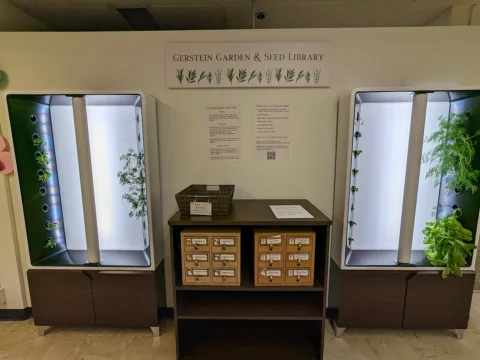

From the Namibian discussions
A local message described plans for a large homemade light arrangement with help from a friend. It did not report measured seedling results or electrical performance. Keep the enthusiasm for experimenting, while using complete suitable fixtures rather than reproducing improvised mains wiring.
Assess the existing nursery space
Observe how much direct light reaches the seedlings, whether plants stretch, and whether heat or wind is the greater problem. Overwatering or unsuitable compost can also cause poor growth. Compare a modest light setup with a suitable daylight position before investing in a large installation.
Choose equipment for the environment
University of Maryland seed-starting guidance discusses supplemental lighting as part of seedling care. Use a fixture intended for plant growing and suitable for the installation conditions. Follow its distance, operating and electrical instructions. Keep connections protected from watering and use a qualified electrician for fixed electrical work.
Run a useful comparison
- Use similar seedlings from the same seed lot in both treatments.
- Keep medium, container size and watering comparable.
- Record operating hours, plant response and any heat stress.
- Calculate electricity from the fixture’s actual watts and hours, using your tariff in NAD per kilowatt-hour.
Include the next stage
Seedlings raised indoors still need gradual preparation for outdoor conditions. A compact plant under lights may not be ready for wind and intense sun. Include hardening-off space and time in the nursery plan. Equipment only earns its place if it improves the number of healthy plants reaching the garden.
Namibian climate and microclimate
Namibia often has abundant sunlight, but an apartment, shaded room or protected winter nursery may have a different constraint. Coastal cloud, inland frost and hot enclosed rooms call for different solutions. Measure the site rather than treating lights as an automatic upgrade.
Your first practical step
Compare one small tray under suitable daylight with your proposed lighting position and record the actual problem you want to improve.
Watch and adapt
Publisher: ABC Gardening Australia
Country and context: Australia; exact filming location not confirmed.
A practical seed-raising lesson. Adapt light, watering and timing to your seed species and Namibian microclimate.
The supporting seed-starting lesson explains the wider nursery process. Follow the purchased light’s own specifications rather than copying another fixture’s distance.
Keep exploring
- Harden seedlings for sun, wind and real garden conditions
- When seedlings collapse: recognise possible damping off
- Seed Nursery
Sources and further reading
Have you tried this in Namibia? Share the site conditions, method and result—including what did not work—with the Living Earth community. Local observations help the next person adapt the idea.