
A wood gasifier converts solid biomass into a combustible gas that can supply suitable equipment. It is an energy system with fuel preparation, gas cleaning and operating demands—not simply a way to pour wood into an ordinary engine.
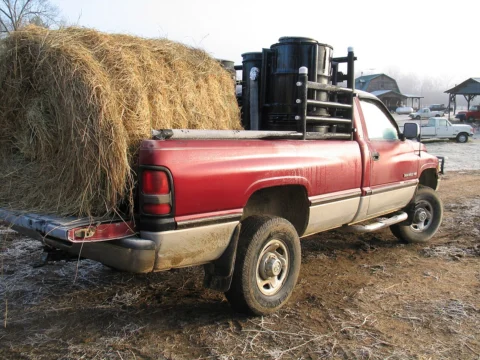

From the Namibian discussions
The Namibian collection shared a historical video about vehicles running on wood gas. That history is an interesting starting point. It does not establish that a modern household, pump or farm vehicle can be converted economically or safely with the same approach.
Follow the whole process
FAO’s technical manual describes a reactor, gas cooling and cleaning, and an engine adapted to the resulting fuel. Moisture, particle size, tar and dust affect operation. The manual is an older engineering reference; use it to understand the questions, not as approval for a present-day installation.
Match an actual energy job
- Write down the required output: for example, a stationary machine’s operating hours and power demand.
- Ask an experienced supplier for a complete installed system, including gas treatment, controls, maintenance and operator training.
- Identify a reliable, lawful biomass supply and the work needed to prepare and store it.
- Compare total costs in NAD with the available alternatives, including electricity, solar power or other fuels. Include labour and downtime.
Treat gas handling as specialist work
Producer gas contains carbon monoxide, which cannot be judged safely by smell. Leaks, fire, hot surfaces and restarting are serious design issues. Do not make improvised gas storage, route gas indoors or operate a reactor in an enclosed workshop. Commissioning and emergency procedures need competent engineering support.
Ask for an operating record
A useful demonstration includes several hours under a realistic load, not only a brief engine start. Ask to see fuel mass and moisture, output, cleaning intervals, consumables and failures. Establish who will supply spare parts and who takes responsibility when the operator is absent. Keep the wood supply and ash or condensate handling in the business calculation.
Namibian climate and microclimate
Dry-season biomass still needs protected storage; wet fuel after rain changes performance. Dust, water availability for cooling and long distances to spare parts can matter as much as the advertised fuel savings.
Your first practical step
Make a one-page comparison of the energy job and alternatives. Visit an operating installation with a qualified adviser before buying components.
Watch and adapt
Watch: Wayne Keith explains wood-gas vehicles
Publisher: Drive On Wood / Mother Earth News
Country and context: USA; the page describes demonstrations in Kansas.
A practitioner demonstration with commercial interests, not an independent safety assessment or a construction specification.
The US demonstration shows an experienced operator’s vehicle. It is not a safe conversion recipe or proof of Namibian operating costs; use competent engineering assessment.
Keep exploring
Sources and further reading
Have you tried this in Namibia? Share the site conditions, method and result—including what did not work—with the Living Earth community. Local observations help the next person adapt the idea.