
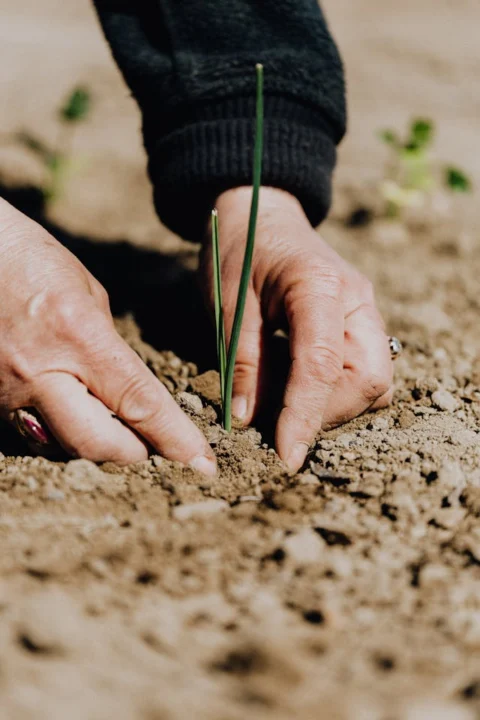
How to permanently improve sandy soil!
Improving sandy soil permanently and organically involves increasing its water retention, nutrient content, and structure. Here are some key methods to achieve this:
1. Add Organic Matter:
Continuously adding organic matter is one of the most effective ways to improve sandy soil. Organic materials such as compost, aged manure, leaf mold, and grass clippings can significantly enhance the soil’s ability to retain water and nutrients. Regularly incorporating these materials into your soil will also support beneficial microbial activity, which is crucial for soil health.
2. Use Cover Crops:
Planting cover crops like clover, vetch, rye, or alfalfa can be especially beneficial. These plants add organic matter and nutrients back into the soil when they are chopped and dropped or turned under before they seed. They also help prevent erosion, improve soil structure, and enhance moisture retention.
3. Apply Mulch:
Mulching with organic materials (e.g., straw, wood chips, bark, or leaves) can help retain soil moisture, suppress weeds, and slowly add nutrients back into the soil as they decompose. Mulch also helps moderate soil temperature, protecting roots from extreme temperature fluctuations.
4. Incorporate Biochar:
Biochar is a stable, carbon-rich form of charcoal that can improve soil structure and moisture retention in sandy soils. It also provides a habitat for beneficial soil microbes. When mixed into the soil, biochar can significantly improve nutrient and water holding capacity.
5. Introduce Mycorrhizal Fungi:
These beneficial fungi form symbiotic relationships with plant roots, helping them absorb more water and nutrients from the soil. You can introduce mycorrhizal fungi by adding commercially available inoculants or by incorporating soil or compost that already contains these fungi.
6. Practice No-Till or Reduced Tillage:
Minimizing soil disturbance helps maintain soil structure, conserves moisture, and protects soil organisms. Tilling can disrupt the natural soil structure and cause organic matter to decompose too quickly.
7. Use Clay Soil Additives:
Mixing clay particles into sandy soil can help improve its texture and nutrient retention capabilities. This can be labor-intensive and requires proper mixing to be effective, but it can be a long-term solution for extremely sandy soils.
8. Implement Polyculture and Crop Rotation:
Growing a diversity of crops can help improve and maintain soil health. Different plants contribute different benefits to the soil in terms of root structures and nutrient demands. Crop rotation also prevents soil depletion and reduces pest and disease build-up.
By implementing these methods, you can organically and permanently improve the structure, fertility, and water-holding capacity of sandy soil, making it more productive for gardening or farming.
Also read this in depth article here:
https://www.permaculturenews.org/2014/08/26/permanently-improve-sandy-soil

