
A garden beside rocky habitat may share its surroundings with dassies, also called rock hyraxes. Protecting a small productive area and understanding access routes can be more manageable than trying to exclude wildlife from an entire property.
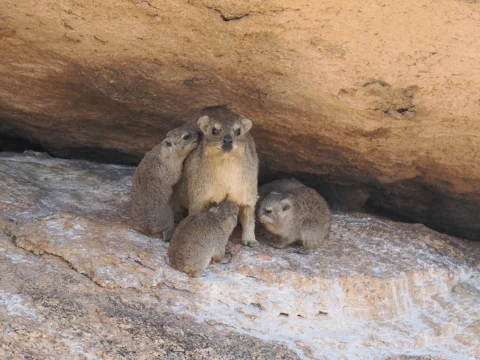
Photo: 25-south.com · Original image · CC BY-SA 4.0. Wikimedia display-size version; no crop or content edits.
_Spitzkoppe_Namibia.jpg)
From the Namibian discussions
Dassie control was raised in the saved Namibian material, but the recovered written message contains no tested method. This guide offers a way to develop local experience without inventing a success story.
Understand the neighbour
SANBI describes the rock hyrax as a social mammal associated with rocky shelter. Its assessments also note food opportunities in urban gardens and its place in predator food webs. A garden visit therefore belongs in the wider landscape, rather than being treated as an isolated event.
Check what is actually causing damage
- Observe from a distance when visits usually occur.
- Photograph fresh damage and the animal, if visible.
- Map gaps, overhanging access and rocks beside the bed.
- Separate direct observations from suspected visits.
Damage by birds, rodents and other mammals can overlap. Avoid spending money on a barrier before understanding the entry route.
Trial protection at bed scale
As a practical local trial, protect one small bed with a secure frame and suitable mesh, with a door you can close reliably. Check all edges, avoid loose loops that can entangle animals, and monitor whether protection changes ventilation or crop access. This is an exclusion idea to test, not a verified dassie-proof specification.
Plan for coexistence
Keep attractive food scraps out of reach and avoid feeding wildlife. Do not seal an occupied refuge or attempt an improvised relocation. If damage is persistent, seek advice from local wildlife or conservation staff about the situation and appropriate options.
Namibian conditions and microclimate
A protected bed may become hotter or shadier than the surrounding garden. Record afternoon heat, airflow and watering needs after adding mesh or a frame. Compare this with the value of the crop saved. Rocky sites can also funnel animal movement through a few predictable openings.
Try it locally and share what happens
Protect one bed and leave a comparable planting accessible only if you can afford that small loss. Record entry, damage and harvest, not just whether animals remain on the property.
Watch, understand, adapt
When wildlife become pests
Country and context: United States — University of California IPM. Select “When Wildlife Become Pests” in the video library.
A supporting overview of assessing wildlife conflicts; it is not a dassie-control demonstration.
Apply it locally: Transfer the habit of identifying access and damage. Use local species expertise and local advice for any intervention.
Keep exploring
Fences · Raised beds · Living with baboons