
A small, labelled cactus planting can answer a useful question: which known planting material establishes reliably on your site? Keep the identity, purpose and source attached to each plant from the beginning. A fruit colour or familiar name alone does not tell you how it will perform as fodder.
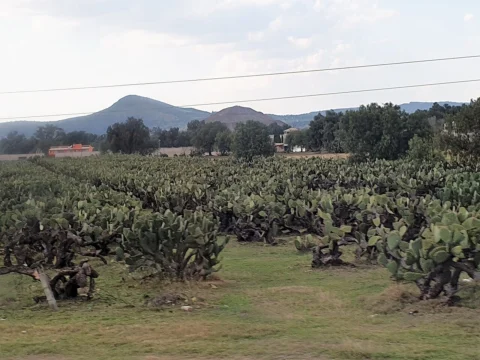

From the Namibian discussions
A Namibian discussion shared a long list of Opuntia variety names and fruit colours. It is a useful lead for finding planting material, but not a verified catalogue of local performance. Keep the supplier’s name for the variety while checking its identity and intended use.
Choose the purpose first
Decide whether you want fruit, fodder, a living boundary or a small demonstration. These goals can favour different material and management. Obtain healthy, correctly identified pads from a reliable source. Ask about spines, known pest problems and performance in conditions resembling your own.
Give each planting a label
- Assign a simple code to each source or variety.
- Photograph the pad and record its condition and planting date.
- Mark the position on a sketch in case the label is lost.
- Keep different sources distinguishable during establishment and later harvesting.
Compare fairly
Follow the planting and establishment guidance in the cactus manual for the material and conditions. If comparing two sources, give both a similar site and record any differences in water or soil. A plant beside a leaking tap should not be compared uncritically with one in a dry corner. Count survival as well as new growth.
Decide before expanding
Check for rot, pest symptoms and damage after frost or storms. Record labour, replacement plants and irrigation alongside growth. A vigorous first season is useful evidence, but fruiting and fodder performance need longer observation. Keep propagation material separate from a planting with unexplained symptoms.
Namibian climate and microclimate
Namibian sites differ in frost, drainage, rainfall and salinity. Start with a manageable number of plants and observe at least the difficult season before multiplying a variety across a large area.
Your first practical step
Label a few healthy pads from a known source and create a one-page planting map.
Watch and adapt
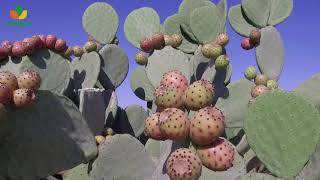 Watch videoWatch: Cactus pear — the green gold
Publisher: ICARDA
Country and context: International dryland research context; exact filming country not confirmed.
The publisher describes a lesson on establishing a cactus orchard. It does not identify an unknown plant or supply a complete livestock ration.
Use the specialist cactus resource to support your planting plan. A variety’s performance elsewhere is a reason to test it locally, not a guarantee.
Keep exploring
- Opuntia farming
- Cactus fodder: identify the plant before feeding it
- Inspect new cactus pads before adding them to a planting
Sources and further reading
Have you tried this in Namibia? Share the site conditions, method and result—including what did not work—with the Living Earth community. Local observations help the next person adapt the idea.