
A small mill can save time and turn local grain into useful food. The right choice depends on the grain, desired flour, daily quantity, power supply and ability to maintain the equipment—not simply how fast a motor spins.
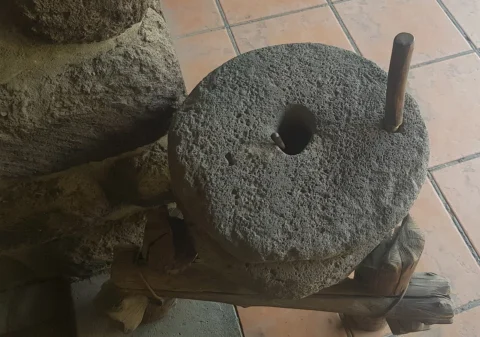

From the Namibian discussions
The Namibian collection included interest in hand-operated mills and an idea for a homemade crusher powered by a grinder. Local ingenuity is valuable, but an angle-grinder conversion is not automatically food-safe or mechanically safe. Compare purpose-designed equipment before attempting a powered build.
Separate milling jobs
FAO’s Small mills in Africa distinguishes equipment and operating needs for different grain-processing tasks. Dehulling, crushing and fine milling are not interchangeable. Bring the actual grain and describe the food it must produce, rather than asking only for a “maize mill”.
Arrange a realistic demonstration
- Weigh a representative clean grain sample and record its condition.
- Ask the operator to produce the desired meal or flour and measure the usable output, rejects and time.
- Check whether the mill handles your other crops without difficult adjustment or contamination.
- Observe noise, dust, vibration, guarding and cleaning access. Ask where replacement wear parts can be obtained.
Count the full cost
Compare hand effort or energy consumption, installation, maintenance, transport and downtime. A cheap machine that cannot be repaired locally can be expensive over a season. For a shared mill, agree an affordable NAD charge that covers maintenance as well as fuel or electricity. Keep a simple record of grain received and flour returned.
Protect people and food
Use food-contact materials and equipment designed for the job. Keep belts and moving parts guarded; isolate the power before clearing jams or cleaning. Provide dust control and follow the manufacturer’s protective-equipment guidance. Keep grain dry, inspect for mould and pests, and do not mix a doubtful lot into good grain.
Namibian climate and microclimate
Off-grid power, windblown dust and long spare-parts journeys change the decision. A small manual mill may suit occasional use; a village service needs a realistic throughput test and a plan for busy harvest periods.
Your first practical step
Take a weighed grain sample to two operators and compare output quality, effort and repair access. Use the food you actually prepare as the acceptance test.
Watch and adapt
Watch: Grain Mill Owner’s Manual: demonstration videos
Publisher: Country Living Grain Mills
Country and context: USA-based manufacturer; exact filming location not confirmed.
A commercial hand-mill demonstration, not a brand recommendation or a guide to homemade high-speed machinery.
The film is a milling example, not approval for a homemade powered machine. Use the manufacturer’s guarding, cleaning and maintenance requirements.
Keep exploring
Sources and further reading
Have you tried this in Namibia? Share the site conditions, method and result—including what did not work—with the Living Earth community. Local observations help the next person adapt the idea.