
Flat, fast-moving spiders on walls can be surprising visitors. Learning to recognise common hunting spiders can reduce unnecessary spraying and make the home garden a better place for a range of small predators.

From the Namibian discussions
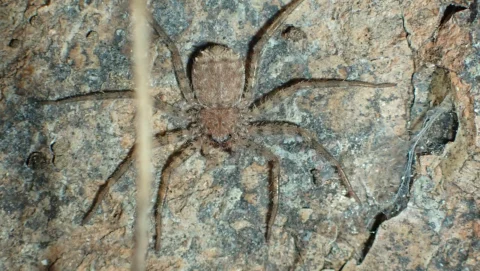
The restored collection saved the African Snakebite Institute’s page on common wall spiders, or flatties. It did not describe a particular bite or local pest-control trial. The regional identification reference is the starting point for this guide.
Use a regional identification reference
The African Snakebite Institute places common wall spiders in the family Selenopidae. Compare the whole animal and its body shape with the reference, but do not force a species identification from a blurred photograph. Other spiders may also rest on walls.
Observe without handling
- Take a photograph from a comfortable distance, including an object that gives scale without touching the spider.
- Note where it rests and whether it is hunting insects.
- Leave an undisturbed spider alone where it causes no practical problem.
- If removal is necessary, seek help from someone comfortable with safe, non-contact relocation. Do not handle an unidentified spider.
Think about the wider habitat
A spider is one part of the garden food web, not a guaranteed solution to an infestation. Avoid routine spraying of walls, cracks and vegetation simply because spiders are present. Repair screens and manage unwanted indoor insects if they are drawing many hunters into the house. Keep work areas orderly so people do not need to reach blindly into dark spaces.
Share useful observations
A clear photograph, approximate locality and observation are more useful than a claim that all similar spiders are safe or dangerous. Do not diagnose a skin lesion from the fact that a spider was seen nearby. A suspected bite with concerning symptoms needs medical advice; the wiki’s role here is identification and coexistence.
Namibian climate and microclimate
Warm walls, lights attracting insects and sheltered cracks create small habitats even in dry towns. Irrigated gardens may support more prey than the surrounding landscape. Observe your own setting rather than expecting the same abundance everywhere.
Your first practical step
Photograph a wall spider without disturbing it and compare it with the regional reference. Keep the record even if identification remains at family level.
Watch and adapt
Watch: Beneficial Insects and Natural Enemies
Publisher: University of California IPM
Country and context: USA; California context.
A supporting lesson on beneficial insects; identify the species actually present in your Namibian garden.
The supporting lesson covers natural enemies broadly. Use the southern African reference for wall-spider identification rather than overseas species examples.
Keep exploring
- Insect hotels and living habitat: make room for garden allies
- Critical Guide to Organic Pest Control in Southern Africa: Proven Natural Solutions for Healthier Crops
Sources and further reading
Have you tried this in Namibia? Share the site conditions, method and result—including what did not work—with the Living Earth community. Local observations help the next person adapt the idea.