
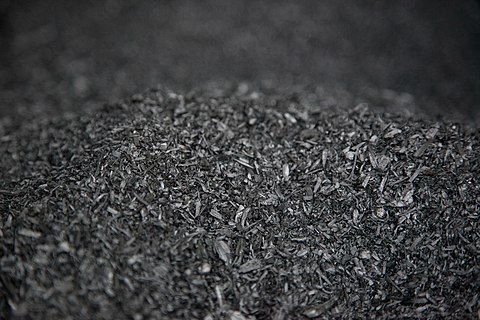
Biochar, a carbon-rich substance born from the depths of pyrolysis, is making waves in sustainable agriculture and environmental stewardship. This black gold holds the promise of enhancing soil fertility, mitigating climate change, and revolutionizing the way we cultivate our lands.
What is Biochar?
Biochar is a type of charcoal produced through the pyrolysis of organic materials, such as agricultural residues, wood chips, or plant biomass. Unlike traditional charcoal, which is often associated with energy production, biochar is designed with soil improvement in mind. Its porous structure and high carbon content make it an ideal candidate for enhancing agricultural landscapes.
How is Biochar Made?
The production of biochar involves subjecting organic materials to high temperatures in a low-oxygen environment, a process known as pyrolysis. During pyrolysis, volatile organic compounds are driven off, leaving behind a stable carbon structure. The temperature and duration of pyrolysis influence the properties of the resulting biochar. The goal is to create a material that not only sequesters carbon but also benefits soil health.
The Environmental Impact:
- Carbon Sequestration: One of the primary benefits of biochar is its ability to lock carbon in the soil, reducing carbon dioxide emissions. This contributes to mitigating climate change by acting as a carbon sink.
- Improved Soil Structure: Biochar enhances soil structure, promoting water retention and nutrient availability. Its porous nature provides a habitat for beneficial microorganisms, fostering a healthier soil ecosystem.
Applications of Biochar:
- Agriculture: The agricultural sector is a key beneficiary of biochar. When incorporated into the soil, biochar improves water retention, reduces nutrient leaching, and enhances soil fertility. Crop yields can increase, and the need for synthetic fertilizers may decrease, leading to more sustainable farming practices.
- Climate Change Mitigation: By sequestering carbon in the soil, biochar helps combat climate change. This process enhances the overall carbon balance and contributes to a reduction in greenhouse gas emissions.
- Waste Management: Biochar production provides an innovative solution for managing agricultural and forestry waste. By converting these residues into biochar, we not only reduce waste but also create a valuable resource for soil enhancement.
Challenges and Considerations:
While the potential benefits of biochar are substantial, there are challenges and considerations in its widespread adoption. These include the energy input required for production, potential variations in biochar quality, and the need for responsible sourcing of feedstock materials.
Conclusion:
Biochar stands as a beacon of sustainable agriculture, offering a holistic approach to soil improvement and environmental stewardship. As we navigate the challenges of a changing climate and strive for sustainable land use, biochar emerges as a powerful ally in promoting resilience and productivity in our agricultural landscapes. Embracing the wonders of biochar is not just a step forward; it’s a leap towards a greener, more sustainable future.
Biochar vs activated charcoal.
Biochar and activated charcoal are both forms of charcoal, but they serve different purposes and are produced through different processes:
- Purpose:
- Biochar: Primarily used as a soil amendment to improve soil fertility and carbon sequestration. It enhances soil structure and provides a habitat for beneficial microorganisms.
- Activated Charcoal: Mainly used for its adsorption properties in various applications, such as water purification, air filtration, and medical treatments.
- Production Process:
- Biochar: Produced through the pyrolysis of organic materials (such as wood or plant residues) in a low-oxygen environment. The process is aimed at carbon sequestration and enhancing soil conditions.
- Activated Charcoal: Created by heating carbon-rich materials, like wood or coconut shells, at high temperatures in the presence of a gas that does not react with the material. This activation process creates a highly porous structure with a large surface area, increasing its adsorption capacity.
- Surface Area:
- Biochar: Has a relatively lower surface area compared to activated charcoal, as its primary purpose is not adsorption but rather soil improvement.
- Activated Charcoal: Possesses a highly porous structure, resulting in a large surface area, which makes it effective for adsorbing impurities.
- Application:
- Biochar: Used in agriculture as a soil conditioner to enhance water retention, nutrient availability, and microbial activity in the soil.
- Activated Charcoal: Applied in various fields, including water and air purification, gas masks, medical treatments to absorb toxins, and as an ingredient in skincare products for its ability to absorb impurities.
In summary, while both biochar and activated charcoal are forms of charcoal, they are produced and used for different purposes due to their distinct properties and applications.
Here’s a long-form continuation you can add to the bottom of your article on biochar to improve SEO and reduce keyword density, while still offering rich and useful information for Namibian and African audiences. It avoids repeating the word biochar excessively by using synonyms and thematic phrasing, and includes links to external resources.
Real-World Applications and African Success Stories
In many parts of Africa, the use of charcoal-based soil amendments has been rediscovered as a low-cost way to boost fertility. In Kenya, smallholder farmers in the Rift Valley have adopted traditional pyrolysis pits to create high-carbon ash which is then mixed with manure and compost.
This practice has led to increased maize yields and stronger drought resistance. Similarly, in Zambia, women-led cooperatives supported by NGOs like WeForest have implemented small-scale kilns to process agricultural waste into soil enhancers. These women have reported better crop performance, even on degraded land.
Namibia, with its sandy soils and water challenges, stands to benefit significantly from this approach. The long-lasting carbon matrix left behind in the soil helps retain moisture, reduce nutrient leaching, and support microbial life—especially important in arid and semi-arid conditions where organic matter is typically low.
Carbon Sequestration and Climate Impact
Beyond soil health, the process of converting organic materials into stable carbon forms is being recognised globally for its climate mitigation potential. When organic waste is burnt in low-oxygen environments, it prevents the rapid release of carbon dioxide and methane that would otherwise result from decomposition. According to the International Biochar Initiative (IBI), this practice could offset up to 1.8 gigatonnes of CO₂ per year if adopted widely.
This potential has led to carbon credit schemes being piloted in countries such as India, Ghana, and Uganda, where smallholder farmers can earn income by producing and burying carbon-rich materials. African farmers could soon benefit from these schemes too—particularly those using efficient kilns that meet the standards of carbon offset verifiers such as Verra or Gold Standard.
Best Practices and Integration with Regenerative Methods
For those pursuing regenerative farming models, this technique complements practices like composting, mulching, and intercropping. When incorporated into compost piles, carbonised materials help neutralise odours, balance nitrogen levels, and increase microbial activity. When applied directly into planting pits or raised beds, it enhances water holding capacity and aeration.
Many farmers mix charcoal fines with animal urine and allow it to ferment for several weeks before application. Others soak it in worm tea or compost leachate to pre-charge it with beneficial microbes and nutrients. Over time, this not only improves plant growth but also increases soil carbon stocks, forming a positive feedback loop for soil recovery.
Tools, Kilns, and Low-Cost Designs
For small-scale farmers, simplicity is key. The Kon-Tiki kiln, developed by Swiss researcher Hans-Peter Schmidt, is a cone-shaped open-pit system that allows for clean and efficient carbonisation without smoke. Instructions and diagrams are available from The Ithaka Institute. Alternatively, TLUD (Top-Lit Up-Draft) cookstoves allow simultaneous cooking and char production, making them especially suitable for homesteads.
For those using metal drums, it’s important to maintain the right balance of air flow to ensure full carbonisation and minimise smoke. Numerous guides are available via Biochar for Sustainable Soils and The African Biochar Partnership.
The easiest method if you are on a farm is to just dump charcoal in a Kraal and let the animals charge and trample the charcoal – after 6 weeks you have biochar.
Another method of charging biochar is to feed it with mineral lick to cattle, then collect the dung patties and compost these or mill and integrate directly.
Educational Resources and Further Reading
If you’d like to dig deeper into this subject, here are some reliable resources:
- Books:
- The Biochar Solution by Albert Bates
- The Biochar Debate by James Bruges
- Burn: Using Fire to Cool the Earth by Albert Bates & Kathleen Draper
- Videos and Courses:
A Namibian Vision
Imagine rural cooperatives turning invasive bush into a valuable resource—not just for energy or fencing—but as part of a circular farming system. By integrating this strategy into Namibia’s agroforestry, community gardens, and even urban food systems, we can build local resilience, create jobs, improve yields, and store carbon in the soil for centuries.
Whether you are a homesteader, an urban gardener, or a permaculture enthusiast, understanding how to turn waste into wealth using carbon-rich soil amendments can transform the way we farm in dryland environments.
In Namibia’s northern regions, where vast expanses of flat, sandy soils dominate the landscape, conventional water-harvesting techniques like swales, Zai pits, or African smiles often fail to deliver results. The sheer depth and looseness of the sand mean that rainwater quickly drains away beyond the reach of plant roots, taking precious nutrients with it. In such conditions, few viable options exist to retain moisture or build fertility—except for biochar.
When combined with locally available biomass, this carbon-rich material can act like a permanent sponge, holding water and nutrients within the root zone. Over time, it creates a stable habitat for microbes and fungi, gradually transforming lifeless sand into living soil. This makes it one of the only truly practical, long-term solutions for boosting food production in these fragile zones—offering hope for increased resilience, reduced hunger, and self-sufficiency in some of the country’s most challenging farming environments.