
Permaculture can help you decide how the parts of a home, garden or farm should work together. Agroforestry, aquaculture and other growing methods can be parts of that design. Choosing a fashionable method is not the same as designing a system that fits your place and daily life.
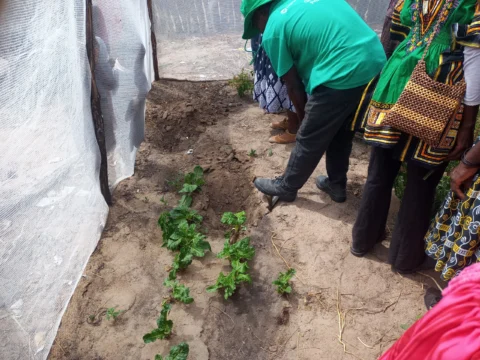

From the Namibian discussions
A thoughtful Namibian discussion used a wardrobe analogy: permaculture is the wider framework, with different disciplines available inside it. Contributors warned against imposing patterns from wetter climates on drylands. They also noted that broad labels such as “eucalyptus” hide important differences between species and uses.
Start with people and place
Write down the household or community’s needs, available time, land access, water and resources. Include who will do routine work and who benefits. A design that depends on daily care nobody can provide will struggle, even if the planting pattern looks convincing.
Choose methods for a purpose
Ask what each element contributes and what it requires. A tree might provide shade, fruit or biomass, but also needs space and water. A fish system may produce food while requiring power, feed and close management. Describe those relationships before deciding that the element belongs in the design.
Test the difficult assumptions
- Identify the least reliable resource, such as water or daily labour.
- Choose one small element that can produce a useful result within those limits.
- Record what it uses and what it provides.
- Adapt the wider plan using that experience rather than installing everything at once.
Keep the ethics visible
Permaculture’s ethical discussion includes care for people, care for the earth and fair sharing of resources. Ask how decisions affect neighbours, shared water and future maintenance. A method should serve those aims in its particular context; its name alone does not establish a good outcome.
Namibian climate and microclimate
Namibian aridity makes water budgets and microclimate especially important. A dense planting shown in a humid tropical setting may require a very different species mix, spacing and management here. Learn from the relationships while testing the local design.
Your first practical step
Choose one proposed element and list its needs, benefits, daily work and effect on shared resources.
Watch and adapt
 Watch videoWatch: Patrick Worms — Zambia agroecological miracle workers
Publisher: CIFOR
Country and context: Zambia, identified by the publisher.
Regional practitioner examples. Compare rainfall, soils, labour and market access before transferring a practice to Namibia.
The Zambian examples offer ideas and questions. Compare rainfall, soils and management before transferring an arrangement to Namibia.
Keep exploring
- Permaculture
- Introduction to Permaculture in arid regions!
- Agroforestry: Revolutionary Farming with Trees for Soil Health & Climate Resilience
Sources and further reading
Have you tried this in Namibia? Share the site conditions, method and result—including what did not work—with the Living Earth community. Local observations help the next person adapt the idea.