
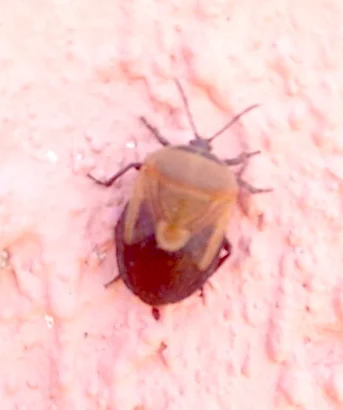
Stink bugs in Namibia
Introduction:
Stink bugs is a family of insects commonly known as shield bugs or stink bugs due to the characteristic shield-like shape of their bodies and the foul odor they emit when threatened. These insects are widely distributed around the world, including in Namibia, where they inhabit various regions across the country, from the northern savannas to the southern deserts.
Description:
Stink bugs are characterized by their distinctive shield-shaped bodies, typically ranging from 5 to 25 millimeters in length. They have sucking mouthparts used for feeding on plant juices. Their bodies exhibit various colors and patterns, often providing effective camouflage in their natural habitats. Additionally, many species possess glands that produce defensive chemicals, emitting a foul odor when disturbed.
Habitat:
In Namibia, Stink bugs insects inhabit a range of ecosystems, including savannas, woodlands, desert fringes, and agricultural areas. They are commonly found on vegetation, where they feed on plant sap and seeds. Their adaptability allows them to thrive in both natural and human-altered landscapes.
Ecology:
Stink bugs play important roles in ecosystems as both herbivores and prey for predators such as birds, reptiles, and other insects. While some species are considered agricultural pests due to their feeding habits, others contribute to ecosystem balance by controlling pest populations and aiding in nutrient cycling.
Species Diversity:
Namibia hosts a diverse array of Stink bugs species, representing various genera and subfamilies. Some commonly encountered species in the country include Nezara viridula (southern green stink bug), Piezodorus guildinii (green vegetable bug), and Murgantia histrionica (harlequin bug).
Human Interaction:
In Namibian culture, Stink bugs known as Omanghili in Oshiwambo are considered a delicacy. They are edible, and the wings and legs are typically removed before frying. These insects are known to hide under surfaces, often found beneath melon leaves and stones. When handled, they leave an orange-yellowish stain on the fingers if held in a closed palm for too long.
When collecting Omanghili, it’s advisable to wear gloves to avoid staining the hands. A bucket with half or less water is used to prevent them from flying or walking out. Their heads can also be pulled off during collection.
Culinary Use:
Omanghili are prized for their taste and are a sought-after food item, both for humans and as feed for chickens. To prepare them for consumption, they are first washed after collection. Then, they can be boiled with very little water, salt, and spices, with frequent stirring. Once the water has evaporated, they are stirred until crispy, typically cooked for 45 minutes to an hour, depending on the quantity.
Management of Infestation:
To control infestations of Stink bugs insects, particularly in agricultural areas where they can cause damage to crops such as melons, various methods can be employed. Traditional methods include manual collection, as mentioned above, or inviting locals known for their expertise in gathering Omanghili. Integrated pest management strategies may also involve the use of traps, natural predators, and selective organic pest control methods.
Conclusion:
Stink bugs play a multifaceted role in Namibian ecosystems, from their ecological significance to their cultural and culinary importance. Understanding their behavior, management techniques, and culinary traditions surrounding Omanghili is crucial for sustainable coexistence and management strategies in Namibia.
Here’s extended content you can add to the bottom of your article on stink bugs in Namibia, with practical detail, stories, and useful external resources. This version avoids repeating the phrase “stink bugs” too often, maintaining SEO value while improving readability.
Traditional Knowledge and Local Observations
In various regions of Namibia, particularly in northern and central rural areas, farmers have long observed the presence of these pests during late summer and early autumn. Older farmers may recall using smoke from Omutete wood fires or ash mixed with water as deterrents. While not scientifically studied, these methods often provided some relief and show the importance of combining modern approaches with indigenous wisdom.
The insects are usually most active during the hottest, driest periods, when their natural predators are fewer. Understanding the seasonal behaviour of these pests allows for timely intervention—for example, introducing trap crops just before their population peaks or using kaolin sprays before fruiting.
Integrated Pest Management (IPM) Approaches
Control of these pests works best when various strategies are combined. This is where IPM comes in. Here’s a recommended approach tailored for smallholder farmers:
- Monitoring and Trapping: Use yellow sticky traps or manual hand-picking during early mornings when bugs are sluggish. Monitor weekly.
- Barriers and Covers: For high-value crops, lightweight insect mesh can reduce infestation. Even using sackcloth fencing around small gardens has shown results in village gardens.
- Biological Support: Encourage natural predators like birds, parasitic wasps, assassin bugs, and predatory stink bugs (yes, they exist too).
- Diverse Planting: Avoid monocultures—diverse gardens confuse pest insects. Intercrop with basil, garlic chives, and coriander, which may help deter pest infestations.
- Sanitation: Clear away weeds and leaf litter around crops. These pests often lay eggs or overwinter in garden debris.
Case Studies and African Context
- In Zimbabwe, smallholder tomato growers saw significant yield improvements by interplanting marigold and coriander and spraying diluted neem oil weekly during fruiting stages.
- A trial in Kenya by a farmer-led NGO found that introducing trap crops like sunflowers around green bean fields attracted and contained pest populations, reducing damage to the main crop by 60%.
Natural Predators and Companion Plants
- Predatory Wasps: Some braconid and scelionid wasps parasitise the eggs of the bugs. You can attract them by planting nectar-rich flowers like alyssum, fennel, and dill nearby.
- Chickens and Ducks: In small farm settings, letting poultry forage around orchards can reduce pest numbers significantly, especially in the early stages.
- Repelling Plants: Some growers report fewer issues in fields bordered by lemongrass, wild basil (Ocimum americanum), or wormwood.
Organic Sprays and Mixtures
If manual removal isn’t enough, try one of these proven mixtures:
- Neem Oil Spray: Mix 5 ml of cold-pressed neem oil with 1 litre of water and a few drops of dish soap. Spray early in the morning or evening.
- Garlic-Chilli Spray: Blend 2 chillies, a bulb of garlic, and one teaspoon of cooking oil with a litre of water. Let sit overnight and strain. Spray weekly.
- Kaolin Clay: This white mineral powder coats leaves and fruit, making it harder for pests to cling and feed. It’s safe and used globally in organic production.
Always test any spray on a small patch first to ensure your plants won’t react negatively.
External Resources and Further Reading
- University of California Integrated Pest Management (UC-IPM): Stink Bugs – In-depth overview of species, lifecycle, and IPM methods.
- ATTRA Sustainable Agriculture: Organic Control of Insect Pests – Organic methods across different crops.
- ECHO Community Knowledge Base – Resource hub for smallholder tropical and arid-zone farming.
- CABI Invasive Species Compendium – Lookup different bug species by region and crop.
Final Thoughts
In Namibia’s dry and challenging climate, managing pests without chemicals is possible but requires knowledge, observation, and timing. Prevention, diversity, and ecosystem support are your best tools. With community-based learning and farmer-to-farmer sharing, even complex problems like this one can be tackled effectively using local knowledge and global best practices.