
Waffle gardens use small sunken planting areas separated by low earth ridges. The pattern is associated with Pueblo dryland gardening, including Zuni traditions. It offers an idea to study carefully rather than a universal alternative to raised beds.
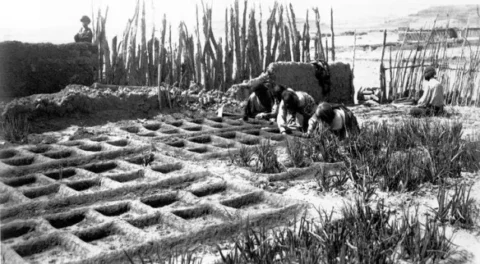

From the Namibian discussions
A historical waffle-garden resource was saved in the Namibian mailbox. The message did not report a local yield comparison. The useful question is whether a small sunken bed conserves accessible moisture at your site without creating waterlogging or maintenance problems.
Understand the purpose
Low ridges can help retain small amounts of water around plants and reduce exposure close to the soil. The NMSU rangeland-restoration material places such approaches in a wider dryland context. Respect the technique’s cultural origins and avoid claiming that a newly built Namibian bed reproduces an entire traditional farming system.
Start with a manageable patch
- Choose fairly level ground with suitable drainage and no contaminated runoff.
- Lay out a few cells that can be reached from paths.
- Keep an escape route for excess water rather than building an accidental dam.
- Plant a familiar crop so the bed design is the main new variable.
Compare watering and maintenance
Measure the water applied and inspect moisture below the surface. Record weeds, crusting and any ridge repairs after rain. Keep a nearby comparison bed with similar soil and plants. A tidier pattern is not evidence of water saving unless inputs and harvest are recorded.
Choose the right season
A design that helps during dry weather can behave differently during intense rain. Inspect after each substantial event. If ridges slump or cells remain saturated, revise the trial. Use the result to choose between sunken, level and raised planting areas rather than assuming one form should replace every other bed.
Namibian climate and microclimate
Loose Namibian sand may not hold a ridge well, while a heavier soil may retain water longer than expected. Wind, rainfall intensity and irrigation access all affect the outcome. Test the method in the actual season and microclimate of use.
Your first practical step
Build a few small cells beside an ordinary bed and compare measured watering and crop response for one season.
Watch and adapt
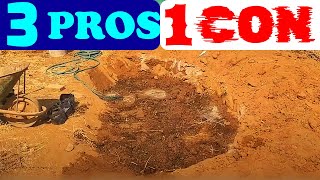 Watch videoWatch: How to Actually make a Zai Pit
Publisher: The Food Forest Namibia
Country and context: Namibia, as identified by the publisher.
A local demonstration of a small water-harvesting pit. It is not a waffle-garden demonstration or an engineering design for a large swale.
The Namibian pit demonstration concerns a related runoff idea, not a Zuni waffle garden. Compare their differences in layout, purpose and maintenance.
Keep exploring
Sources and further reading
Have you tried this in Namibia? Share the site conditions, method and result—including what did not work—with the Living Earth community. Local observations help the next person adapt the idea.