
A seedling raised in shelter can suffer when moved suddenly into strong sun, wind and a different watering pattern. Hardening off is a gradual adjustment before planting out, not an attempt to make the plant drought-proof by neglect.
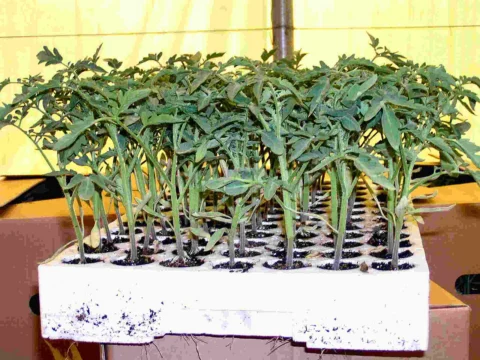

From the Namibian discussions
The collection’s nursery and propagation discussions include shade and careful watering. A suggested fixed shade percentage or a few minutes of irrigation describes one setup; it cannot tell another grower how much water a different tray or dripper actually delivers.
Check the starting point
RHS guidance describes a gradual transition from protected growing conditions. Inspect roots, leaf colour and overall strength before moving plants. A badly root-bound or diseased seedling needs a different response from a healthy plant simply accustomed to shade.
Increase exposure gradually
- Begin in a sheltered outdoor position with gentler light.
- Increase exposure over successive days while checking for wilting, bleaching or leaf damage.
- Protect from extreme wind, heat and cold; delay planting if a severe event is forecast.
- Keep the root ball adequately moist without keeping the container permanently saturated.
Prepare the destination
Check that irrigation reaches the planting holes, animal protection is ready and the soil is suitable. Plant during a gentler part of the day where practical. Handle seedlings by the root ball or leaves as appropriate, avoiding pressure on fragile stems. Water in according to the crop and medium, then inspect the following day.
Judge establishment, not a fixed number of days
A plant that remains turgid and begins new growth is more informative than a rigid hardening timetable. Keep a few spare seedlings if possible. Record which crop, nursery conditions and weather caused losses so the next batch can be adjusted. Hardening does not change a frost-sensitive species into a hardy one.
Namibian climate and microclimate
Namibian sun and dry wind can make the move outdoors harsher than the British spring conditions in the reference. Coastal wind and cool nights introduce different stresses from inland heat. Adjust exposure to the actual forecast and plant response.
Your first practical step
Move a small group to a sheltered transition position and inspect them daily before planting the entire tray.
Watch and adapt
Publisher: ABC Gardening Australia
Country and context: Australia; exact filming location not confirmed.
A practical seed-raising lesson. Adapt light, watering and timing to your seed species and Namibian microclimate.
Observe the seedling-care principles; replace the overseas planting calendar with your local heat, wind and frost conditions.
Keep exploring
- Seed Nursery
- Seedling grow lights: test whether you need them
- When seedlings collapse: recognise possible damping off
Sources and further reading
Have you tried this in Namibia? Share the site conditions, method and result—including what did not work—with the Living Earth community. Local observations help the next person adapt the idea.