
Known fodder cactus can be useful in a dryland feeding plan, but “a cactus” is not a feed identification. Start with the species, cultivar and animal. An animal eating a small piece does not prove that an unfamiliar plant is safe.
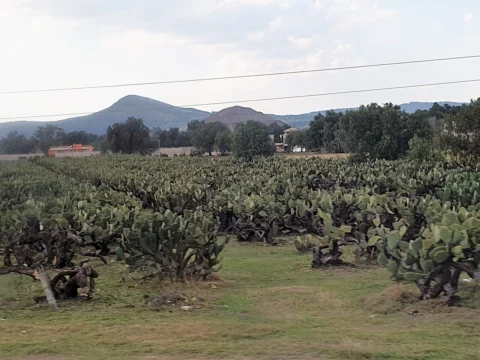

From the Namibian discussions
Namibian members asked whether an unidentified cactus could be fed to cattle or pigs. Replies included goat experience with Opuntia and a suggestion to test a small piece on one animal. Keep the reported goat use, but do not use an animal as the safety test for an unidentified plant.
Get a reliable identification
Photograph the whole plant, pads or stems, spines, flowers and fruit where present. Ask a knowledgeable botanist or agricultural adviser to identify it. Some succulent plants resemble cacti while belonging to very different groups. Do not transfer advice for a known fodder cultivar to a lookalike.
Check the source and condition
- Confirm that planting material or feed came from a known, suitable source.
- Inspect for pests, decay and chemical treatment history.
- Keep suspect material out of the feed supply.
- Record the name and source so future harvests can be traced.
Plan a balanced ration
FAO’s cactus-pear manual discusses fodder use within a wider feeding system. High water content does not make pads a complete ration. Ask a livestock nutrition adviser about the animal species, class and the other feeds available. Handling spines is only one part of the decision.
Keep useful local evidence
When sharing experience, state the identified plant, animal type, preparation and the rest of the ration. Record duration and animal response. A report that goats ate pads during drought is valuable, but it should not become a universal claim for pigs, cattle or every cactus species.
Namibian climate and microclimate
Cactus can be relevant to Namibian drought planning, but supply, frost damage and feed quality vary. Prepare identified fodder resources before an emergency rather than making rushed decisions when grazing has already failed.
Your first practical step
Get the plant identified and write its name on the feed plan before offering any material to livestock.
Watch and adapt
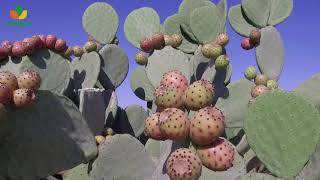 Watch videoWatch: Cactus pear — the green gold
Publisher: ICARDA
Country and context: International dryland research context; exact filming country not confirmed.
The publisher describes a lesson on establishing a cactus orchard. It does not identify an unknown plant or supply a complete livestock ration.
Use the cactus lesson for context. Feeding rates and ration balance need advice for your livestock and identified cultivar.
Keep exploring
Sources and further reading
Have you tried this in Namibia? Share the site conditions, method and result—including what did not work—with the Living Earth community. Local observations help the next person adapt the idea.