
A drought plan is most useful before the water runs short. Decide which observations will trigger which actions, who will make the decision and what resources are available. This makes it easier to respond while choices still remain.
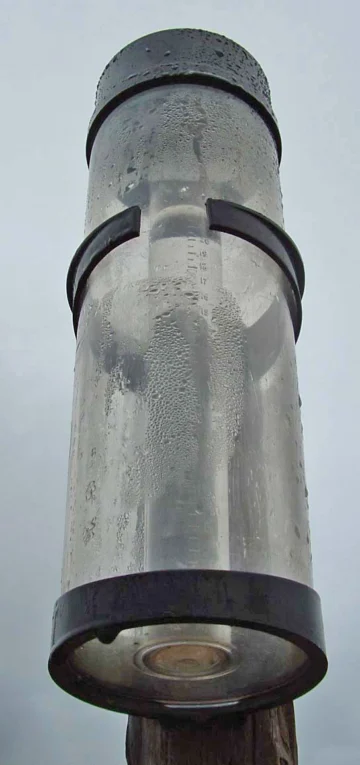

From the Namibian discussions
Namibian contributors debated rainfall patterns, drought cycles and practical rules for judging a poor season. Such observations are valuable local memory. Treat a rule such as reaching a certain rainfall share by February as a site-specific warning to examine, not a guaranteed national forecast or fixed repeating cycle.
Choose indicators you can observe
Rainfall totals are useful, but storage, soil moisture, crop condition and actual demand also matter. The World Meteorological Organization treats drought as more than a single dry day or low reading. Choose a few indicators relevant to the household, garden or farm rather than building a record nobody can maintain.
Link each warning to an action
- Write down normal water use and the supply that supports it.
- Choose an early warning, such as storage falling faster than planned.
- Specify a proportionate response, such as delaying expansion or checking leaks.
- Agree a more serious response and the person responsible if supply continues to decline.
Protect essential uses
Decide priorities with the people affected. A community garden may reduce planted area rather than establish seedlings it cannot water. A livestock enterprise needs its own feed, welfare and financial planning with appropriate local advice. Do not let a garden checklist substitute for those larger decisions.
Review after the season
Compare the warnings with what actually happened. Did action come too late, or was a threshold too sensitive? Keep the lessons with rainfall and demand records. A plan should improve through experience; a confident prediction without a record is difficult to learn from.
Namibian climate and microclimate
Namibia’s rainfall varies strongly across regions and between years. Intense rain can produce damaging runoff without filling every useful store. A wet event does not automatically end a local water shortage, especially where supply depends on a different catchment.
Your first practical step
Write one early warning and one action for your main water supply, then agree who will check it each week.
Watch and adapt
Watch: How to read a rain gauge
Publisher: CoCoRaHS / Colorado Climate Center
Country and context: USA-based network.
Open the rain-gauge video under Step 4. Use a metric gauge and record rainfall in millimetres; the US demonstration may use inches.
Use the measurement lesson to improve rainfall records. Forecasts and drought decisions require additional local information and current advice.
Keep exploring
- Garden weather records: learn what happens at your own site
- Rainwater Harvesting in Arid Regions: Practical Solutions for Water Security in Southern Africa
- Rainwater tanks: compare roof yield with actual demand
Sources and further reading
Have you tried this in Namibia? Share the site conditions, method and result—including what did not work—with the Living Earth community. Local observations help the next person adapt the idea.