
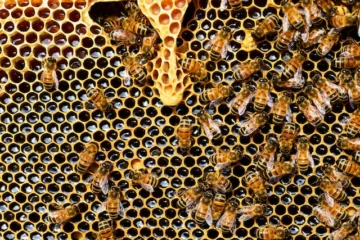
Keeping bees in a homestead is like having magical little helpers buzzing around, making your garden and the whole world a better place. Let me tell you all about it!
Benefits of Keeping Bees in a Homestead:
1. Honey, Honey, Honey: Bees are master honey-makers! By keeping them, you get to enjoy delicious and natural honey straight from your garden. It’s super tasty and a healthy alternative to sugar.
2. Pollination Power: Bees are like tiny superheroes of pollination! They visit flowers and help them make fruits and seeds. With bees around, your garden will bloom with more fruits and veggies.
3. Biodiversity Boosters: Bees love to explore different flowers, making them great biodiversity boosters. They help plants grow stronger and attract all kinds of beautiful creatures to your garden.
4. Helping Mother Nature: Bees are important for our planet! By keeping them, you are supporting nature and helping to protect our environment.
5. Learning Adventure: Beekeeping is like a fascinating journey! You get to learn about bees’ secret world, how they communicate, and how they live together in their beehives.
How to Start a Beehive:
Step 1: Be Prepared: Learn about bees and beekeeping from books, online resources, or local beekeeping clubs. Understanding bees’ needs is the first step to being a good beekeeper.
Step 2: Choose the Right Hive: You can start with a traditional beehive or try the “Flow Hive.” The Flow Hive is like a magical invention that lets you collect honey without disturbing the bees too much. It’s like a honey tap!
Step 3: Find Your Bees: Get your bees from a reputable beekeeper or a beekeeping supply store. They usually come in a box called a “nuc” or a “package.”
Step 4: Set Up Your Hive: Follow the instructions that come with your beehive to assemble it correctly. Place it in a sunny spot in your garden or on your homestead.
Step 5: Take Care of Your Bees: Bees need some love and attention. Make sure they have enough food and water, especially during dry periods. Check on them regularly to see how they are doing.
Step 6: Watch and Learn: As your bees buzz around and make honey, watch and learn from them. Observe their behavior and how they interact with the flowers.
Remember, beekeeping is like having new friends in your garden! Bees are essential for our world, and by keeping them in your homestead, you’re making a positive impact on the environment and enjoying the sweet rewards of honey! Just remember to be gentle and caring with your bee buddies, and they’ll be happy to share their magic with you. Happy beekeeping! 🐝
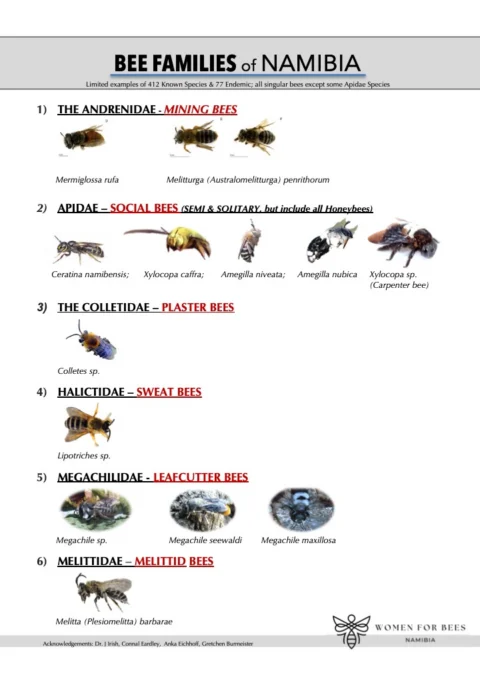
Bees of Namibia:
Go to our page about honey to learn even more 🙂
Beekeepers – Contact details
Birgit Ingrid Dobberstein – recommended contact for Flow Hives sales and support. Email: birgitdobbies@gmail.com, Phone: +264 61 252 021.
Women For Bees Namibia – email: womenforbees@beekeepingassociation.com.na (part of the wider beekeeping network and training group).
Sharon (United Beekeepers of Namibia) – contact via beekeeping networks and associations (specific contact details not publicly listed but recommended to connect through the main association below).
National and formal beekeeping organisations
Beekeeping Association of Namibia – the national association representing beekeepers across Namibia, providing advocacy, training opportunities, awareness, and a platform for bee and honey producers. Core contact info includes P O Box 97141, Maerua Mall, Windhoek, Namibia; Phone +264 81 645 2490 and +264 81 453 3030; email info@beekeepingassociation.com.na; website https://beekeepingassociation.com.na/.
Women For Bees Namibia – active support and training group linked with the national association, focused on empowering women beekeepers and community involvement. Contact via the Beekeeping Association email and network.
Additional Namibian beekeeping-related contacts
Thorn Bush Savanna Beekeeping – a local apiary and honey producer with full-service offerings including hive management, honey production, training and swarm handling; can often support community beekeeping activities. Contact via phone 081 129 8356 or info@beekeeping.com.na.
Namibia Nature Foundation – not exclusively a beekeeping organisation, but active in community forest protection and beekeeping-linked sustainable livelihoods projects, including training and support through collaborative initiatives. Website www.nnf.org.na.
Training and networking opportunities
There are beginner beekeeping courses and community classes in Namibia, such as “Beginner Beekeeping Class” events offering practical knowledge for new beekeepers; booking typically through local organisers via phone or email.
Beekeeping advocacy and related support
The Namibian Organic Association (NOA) has historically offered beekeeping courses and may be a good contact point for courses and organic-aligned apiculture training. Contact info via NOA’s main channels (info@noa.org.na).
Notes on context for readers
Beekeeping in Namibia supports biodiversity, pollination services and rural livelihoods, and organisations often work together on industry protection and sustainable practices. There are sometimes differing views within the community on industry direction and regulation, so building broad networks can help newcomers find supportive training and local expertise.