
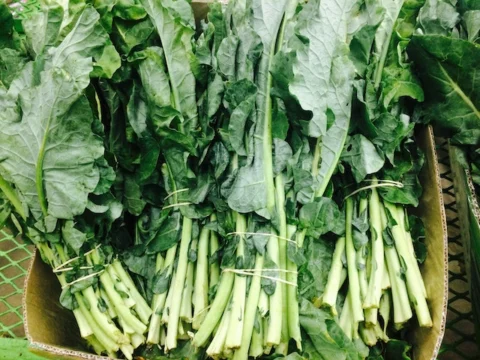
Here’s a guide for growing Swiss chard (chard) in arid Southern Africa:
Benefits of Swiss Chard (Chard):
- Nutritious: Swiss chard is a nutritional powerhouse! It’s rich in vitamins A, C, and K, as well as minerals like potassium and magnesium. It also contains antioxidants that help protect your body from harmful free radicals.
- Drought Tolerance: Chard is relatively drought-tolerant once established, making it a suitable choice for arid regions in Southern Africa. It can withstand dry conditions better than many other leafy greens.
- Versatile and Colorful: Swiss chard comes in various vibrant colors, such as green, red, yellow, and purple stems. Both the leaves and stems are edible, and you can use them in salads, stir-fries, soups, and more.
- Continuous Harvest: Chard is a cut-and-come-again vegetable, meaning you can harvest the outer leaves regularly, and the plant will continue producing new growth. This provides you with a steady supply of fresh chard throughout the growing season.
How to Grow Swiss Chard (Chard) in Arid Southern Africa:
- Planting Time: Plant chard seeds during the cooler months when temperatures range between 15-25°C (59-77°F). In Southern Africa, this is typically during the autumn and winter seasons.
- Location: Choose a spot with partial shade or dappled sunlight to protect the chard from intense heat. Chard can tolerate some sun but may bolt (go to seed) prematurely if exposed to excessive heat.
- Seeds and Spacing: Obtain chard seeds from a local nursery or garden center. Plant the seeds about 30-45 cm (12-18 inches) apart in well-prepared soil.
- Soil and Fertilizer: Swiss chard prefers well-draining soil with a slightly acidic to neutral pH level (around 6.0 to 7.5). Prior to planting, enrich the soil with compost or organic matter to provide nutrients for healthy growth.
- Watering: Water the chard regularly, especially during dry spells. The soil should be kept consistently moist, but avoid overwatering, as chard doesn’t like waterlogged roots.
- Mulching: Apply mulch around the base of the chard plants to retain soil moisture and suppress weed growth. Organic mulch, such as straw or leaves, works well for this purpose.
- Pest Control: Keep an eye out for pests like aphids, slugs, and leaf miners. Use natural pest control methods like neem oil or introduce beneficial insects like ladybugs to help manage pests.
- Harvesting: Begin harvesting chard leaves when they reach a usable size, typically around 15-20 cm (6-8 inches) long. Snip the outer leaves at the base, allowing the inner leaves to continue growing.
- Continuous Harvest: As mentioned earlier, chard is a cut-and-come-again plant, so you can harvest outer leaves regularly while leaving the center to keep producing fresh growth.
Growing Swiss chard in arid Southern Africa can be both rewarding and beneficial for your health. With its vibrant colors and delicious taste, it’s a fantastic addition to any garden or plate!