
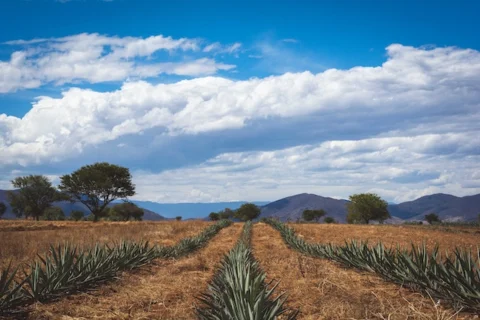
Growing Agave in Arid Southern Africa:
Agave is a remarkable plant that can thrive in arid regions like Southern Africa. Here’s how you can grow Agave and some essential tips:
- Choose the Right Variety: Select Agave varieties that are well-adapted to hot and dry climates. Some suitable varieties include Agave americana, Agave parryi, and Agave deserti.
- Planting: Agave prefers well-draining soil. Choose a sunny spot with good air circulation. Plant Agave during the warmer months when the soil has warmed up. Dig a hole that is slightly larger than the plant’s root ball, place the Agave in the hole, and fill it with soil, gently patting it down.
- Watering: Agave is drought-tolerant, but it still needs some water during the first year after planting to establish its roots. After that, it can survive with very little water, relying mostly on rainfall.
- Sunlight: Agave loves sunlight and can tolerate intense heat. Make sure it gets plenty of sunlight throughout the day.
- Soil: Agave prefers well-draining soil with low fertility. Avoid planting it in heavy clay or waterlogged soils.
- Protection: Young Agave plants may need some protection from harsh weather or extreme temperatures during their early growth stages. You can use a shade cloth or temporary cover to shield them.
- Maintenance: Agave is a low-maintenance plant. Remove any dead leaves or debris around the plant to keep it tidy and healthy.
Agave’s Uses:
Agave has several valuable uses:
- Fiber: Some species of Agave produce strong fibers that can be used to make ropes, baskets, and other woven products.
- Sweeteners: Agave nectar or syrup, derived from certain Agave species like Agave tequilana, is a natural sweetener often used as an alternative to sugar.
- Food: Certain parts of Agave plants are edible. In Mexico, the roasted and sweetened hearts of the Agave plant, known as “piñas,” are used to make traditional dishes and beverages.
- Medicine: Agave has been used in traditional medicine for various purposes, such as wound healing and digestive remedies.
Agave Alcohol as a Business Venture:
Starting an Agave alcohol business can be an exciting venture, especially if you have a passion for agriculture and beverages. Here are some steps to consider:
- Legal and Regulatory Requirements: Research the legal requirements for producing and selling alcohol in your country or region. Obtain the necessary licenses and permits.
- Agave Selection: Choose Agave species that are suitable for alcohol production. Agave tequilana is famous for tequila, but other varieties can be used for other alcoholic beverages.
- Processing and Fermentation: Learn about the fermentation and distillation processes specific to Agave alcohol production. Seek guidance from experts if needed.
- Branding and Marketing: Develop a unique brand and marketing strategy for your Agave alcohol. Consider the target market and what makes your product stand out.
- Distribution: Plan how you will distribute your Agave alcohol. You can consider selling to local bars, restaurants, liquor stores, and even exporting to other regions if feasible.
- Quality Control: Ensure strict quality control measures are in place to maintain the consistency and excellence of your product.
- Sustainability: Consider sustainable practices in Agave cultivation to ensure a long-term and environmentally friendly business.
Starting an Agave alcohol business can be challenging, but with dedication, creativity, and attention to quality, it has the potential to be a successful and rewarding venture. Always remember to research, seek advice, and continuously improve your product and business model. Good luck with your entrepreneurial journey!