
A farm visit becomes more useful when you arrive with questions and leave with a realistic next step. Look beyond the most attractive plot to the water, labour, timing and decisions that keep it working. Ask permission before photographing people or sharing details publicly.
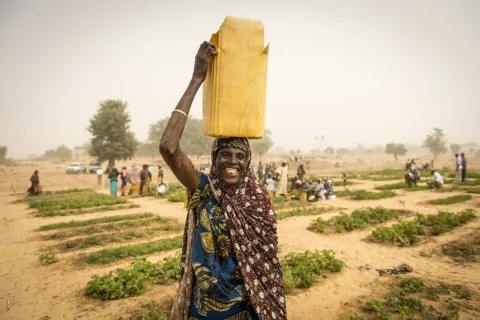
.jpg)
From the Namibian discussions
The Namibian collection included a CIFOR video about agroecological practitioners in Zambia, presented by Patrick Worms. It is an invitation to learn from regional experience, not evidence that every technique will transfer unchanged to a Namibian garden or farm.
Prepare a short question list
Ask what the farmer wanted to improve, what they tried first and what they changed later. Find out which season you are seeing and whether the result is typical. A well-timed visit can show a system at its best while hiding its most difficult months.
Follow inputs and outputs
- Ask where water, seed, planting material and nutrients come from.
- Note the main tasks and who performs them through the year.
- Ask about usable harvest, losses and where produce goes.
- Include purchased inputs and transport costs when discussing affordability.
Look for the limiting conditions
Compare rainfall pattern, soil depth, heat, frost, pests and access to markets with your own site. Ask what fails during drought or when a key person is absent. Discuss maintenance and replacement costs, not only establishment. Respect information the host prefers to keep private.
Choose one transferable lesson
After the visit, separate an observed result from the host’s explanation and your own interpretation. Select a modest idea to test locally, such as a record-keeping routine or a planting arrangement at small scale. Share credit with the people whose experience informed it.
Namibian climate and microclimate
Zambia includes climates and rainfall regimes quite different from much of Namibia. Even within either country, conditions vary widely. Translate the purpose of a practice into a local trial rather than copying its dimensions, calendar or species list automatically.
Your first practical step
Take a one-page question sheet on your next visit and return with one small, measurable local trial.
Watch and adapt
 Watch videoWatch: Patrick Worms — Zambia agroecological miracle workers
Publisher: CIFOR
Country and context: Zambia, identified by the publisher.
Regional practitioner examples. Compare rainfall, soils, labour and market access before transferring a practice to Namibia.
The video identifies Zambia. Use it to practise asking about rainfall, inputs and management before adapting an example to arid Namibia.
Keep exploring
- Agroecology in Africa
- Agroforestry: Revolutionary Farming with Trees for Soil Health & Climate Resilience
- Run a small garden comparison that others can learn from
Sources and further reading
Have you tried this in Namibia? Share the site conditions, method and result—including what did not work—with the Living Earth community. Local observations help the next person adapt the idea.