
Organic certification is a documented assurance process, not simply a description of good intentions. Namibia’s Participatory Guarantee System offers a locally organised route for growers to learn the requirements, demonstrate their practice and build trust with buyers.
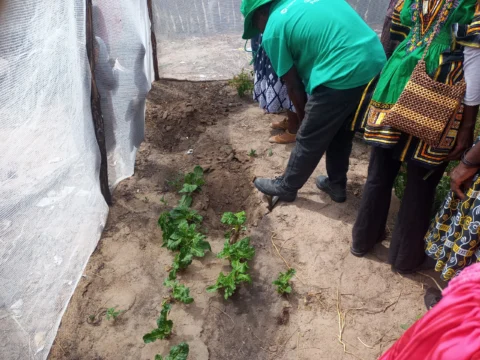

From the Namibian discussions
The restored correspondence included a NOA certification discussion with conditions, records and label review. Those private details are not reproduced here. The useful lesson is that certification has a defined scope and responsibilities; one product’s status does not automatically cover another producer, input or use.
Start with the current NOA guidance
NOA publishes steps to organic certification under its PGS. Obtain the current standards, forms, scope and fee information directly from NOA. IFOAM describes participation, transparency and shared learning as central PGS principles; local procedures still determine what an applicant must do.
Prepare a practical evidence folder
- Draw a simple site map showing production areas, storage and potential contamination sources.
- List seed, planting material, fertilisers, pest-control inputs and their suppliers. Retain labels and purchase records.
- Keep field activities and harvest lots traceable, using a notebook or suitable record system.
- Record questions and uncertain practices honestly so they can be discussed before an assessment.
Separate learning from a claim on a label
Ask NOA when a product may be described or labelled as certified and which mark may be used. Do not copy a neighbour’s certificate or assume an application is approval. Check the permitted scope, validity and any conditions attached to the decision.
Make participation useful
Peer visits can reveal practical improvements as well as gaps in records. Invite the people who do the daily work to explain the system. After a visit, turn agreed actions into a short list with responsibilities and dates. Keep changes visible so the next review can assess progress rather than reconstructing it from memory.
Namibian climate and microclimate
Here local adaptation is about production conditions and organisation. Water sources, grazing arrangements, neighbouring activities and drought responses differ between farms. Describe what actually happens rather than borrowing an idealised plan from a wetter country.
Your first practical step
Download NOA’s current introduction, list the products you want covered and prepare five questions for the association before printing labels.
Watch and adapt
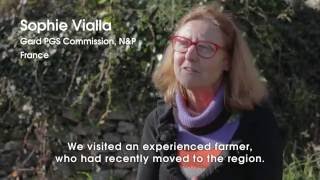 Watch videoWatch: An introduction to Participatory Guarantee Systems
Publisher: IFOAM — Organics International
Country and context: Examples from France, Brazil, South Africa and Fiji, identified by FAO.
An introduction to participation and peer review. It does not replace NOA’s Namibian standards.
The introductory film explains PGS principles internationally. Use NOA’s current Namibian standards and procedures for your own application.
Keep exploring
- 10 Powerful Benefits of Organic Farming: Cultivating Nature’s Way for a Healthier Future!
- Useful farm records: begin simply, then consider farmOS
- Sell vegetables
Sources and further reading
- NOA: steps to organic certification in Namibia
- IFOAM: developing and managing Participatory Guarantee Systems
Have you tried this in Namibia? Share the site conditions, method and result—including what did not work—with the Living Earth community. Local observations help the next person adapt the idea.