
A useful plant record connects a name with the actual plant, its growing place and the experience people have with it. Good photographs and careful questions help the community build knowledge without confusing similar species or losing valuable local names.

From the Namibian discussions
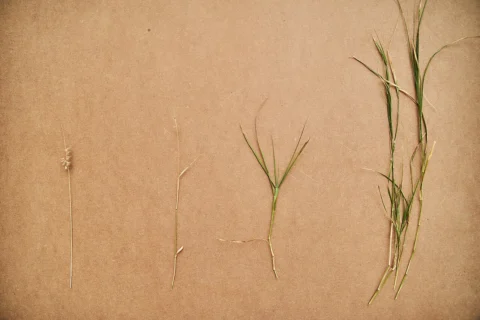
The restored discussions asked about a plant called Herero tea, four-o’clocks, snake plants, grasses and a tree described as kapok. Contributors supplied names, uses and observations, but several identifications remained uncertain. These exchanges show why the wiki should preserve both cultural knowledge and the evidence needed to connect it to a species.
Keep the local name and the identification separate
Write the name as the contributor uses it, including the language or locality if known. Ask what plant part is used, for what purpose and how the person learned about it. Obtain permission before attributing a personal story or publishing someone else’s photograph.
Keep a separate field for the proposed scientific name and who confirmed it. Common names can refer to more than one species, while one species can have several local names. A tentative label should remain tentative when copied into a growing guide.
Photograph the features an identifier needs
- Take a view of the whole plant and its growth form.
- Photograph leaves on the stem, including their arrangement and both surfaces.
- Add clear flowers, fruits or seed structures when present.
- Record the date, approximate locality, habitat and whether it is cultivated or wild.
Use a scale such as a ruler when useful, without damaging the plant. Keep several views of the same specimen together. If it is not flowering, return later rather than assuming a leaf photograph must be enough. Avoid publishing precise locations of sensitive species.
Use apps and community suggestions as leads
An identification app can suggest candidates, and experienced local growers may recognise a familiar plant. Compare the proposed species with reliable botanical descriptions and distribution information. Ask which visible features support the identification rather than accepting only a confident name.
SANBI’s PlantZAfrica profiles and southern African plant-name resources can support the comparison. For difficult or consequential cases, seek a botanist or herbarium’s help and follow its submission instructions. Do not collect protected plants or remove material from land without the necessary permission.
Keep identity separate from safe use
A correct name does not automatically validate every medicinal, food or livestock use reported for the plant. Record the plant part and context carefully. Do not taste an unknown plant to identify it, and do not feed unidentified material to animals.
The saved Herero-tea conversation included reported tea use and a distinctive smell. That is valuable ethnobotanical context, but this guide does not turn the uncertain identification into a recipe. Similarly, a kapok-like pod or a shared common name does not prove that a tree has the same uses as another species with that name.
Make a record that can improve over time
A simple record can contain photographs, date, site conditions, local names, proposed scientific name, source of confirmation and observed uses. Keep “observed growing here”, “reported by a contributor” and “verified in a botanical reference” distinguishable. Add corrections rather than silently erasing the earlier uncertainty.
For growing performance, record water, soil, shade, frost and the season. A plant surviving beside a leaking tap tells a different story from one established without irrigation. Good local records can become the foundation of a substantial species guide once identification and useful experience accumulate.
Namibian climate and microclimate
Namibia’s local plants are adapted to very different habitats. A species from a riverbank, fog-influenced area or rocky slope may not suit an exposed urban garden. Record the microhabitat as carefully as the town or region.
Your first practical step
Choose one unidentified plant and make a complete photo record. Ask for an identification with reasons, then retain the local name and original observations alongside the confirmed name.
Watch and adapt
Watch: How to take better photos for iNaturalist
Publisher: iNaturalist
Country and context: International observation platform; filming country not confirmed.
Choose the photography tutorial on the publisher’s video list. Several clear views help more than one attractive but incomplete photograph.
The iNaturalist lesson teaches useful photography rather than Namibian species identification. Apply the method locally and use regional expertise to assess suggested names.
Keep exploring
Sources and further reading
- iNaturalist: photographs that help identification
- SANBI PlantZAfrica: plant profiles
- SANBI: Plants of Southern Africa
- SANBI National Herbarium: identification work
Have you tried this in Namibia? Share the site conditions, method and result—including what did not work—with the Living Earth community. Local observations help the next person adapt the idea.