
Prepare the water, treatment system and daily care routine before buying fish. A pond that looks clean may still be unsuitable. Establish the species, stocking plan and a way to measure essential water conditions with a competent aquaculture adviser.
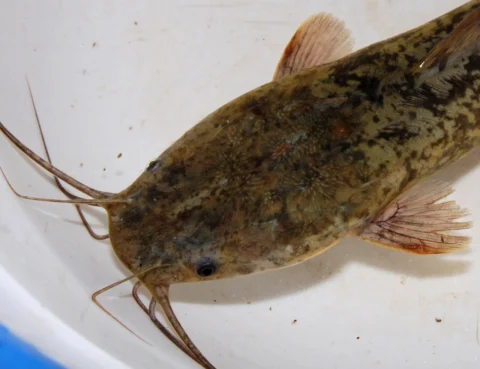

From the Namibian discussions
A Namibian member reported losing all catfish after placing them in a new pond filled with tap water. Replies suggested temperature, chlorine and oxygen as possible factors. The discussion did not establish the cause. Preserve the experience as a reason to check the whole system, not as proof of one diagnosis.
Know the water supply
Ask how the supply is treated and use an appropriate test and treatment plan. Simply leaving water standing is not a reliable answer to every disinfectant, particularly chloramine. Check temperature and other water-quality requirements for the identified species before transfer. Do not assume clear water is ready for fish.
Prepare the biological and mechanical systems
Where the design relies on a biofilter, establish it and verify performance before stocking. Arrange testing for ammonia, nitrite and other relevant measures with suitable interpretation. Provide the oxygen and circulation the system requires, including a response to power failure. Air-breathing ability does not make catfish immune to poor water.
Plan stocking and transfer
- Obtain healthy, identified stock from an appropriate source.
- Agree a conservative stocking plan for the actual pond and equipment.
- Follow competent advice for transport and acclimation.
- Observe closely after stocking and keep feed and water records from day one.
Investigate before replacing losses
If fish die, stop adding new stock and record the timing, water measurements and symptoms. Seek help while evidence is still available. Avoid treating the whole pond blindly. Correct the identified problem and verify readiness before trying again.
Namibian climate and microclimate
Hot shallow ponds and cold inland nights can cause substantial temperature changes. Shade and depth alter conditions but do not replace testing. Design the pond around a reliable water and power supply and the species you actually intend to keep.
Your first practical step
Make a pre-stocking checklist with your adviser and obtain the tests needed to confirm that the pond is ready.
Watch and adapt
Watch: Oklahoma Gardening: aquaponics and hydroponics systems
Publisher: Oklahoma State University / OETA
Country and context: USA; Oklahoma.
The opening visit shows managed soilless production. It is a supporting systems lesson, not an aeroponic tower build; a transcript is available.
This is supporting system context, not a catfish-stocking prescription. Fish species and treatment capacity must determine your plan.
Keep exploring
Sources and further reading
Have you tried this in Namibia? Share the site conditions, method and result—including what did not work—with the Living Earth community. Local observations help the next person adapt the idea.