
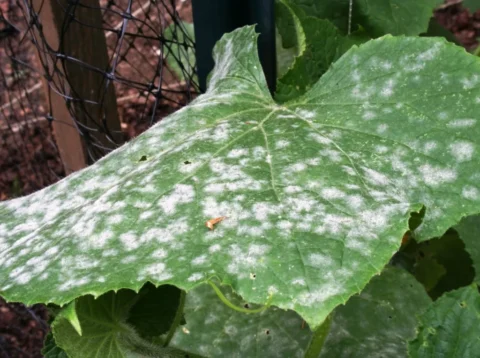

Understanding Powdery Mildew: Causes, Prevention, and Treatment
Introduction: Powdery mildew is a common fungal disease that affects a wide range of plants, causing significant damage to crops, ornamental plants, and fruit trees. This article aims to provide a comprehensive overview of powdery mildew, including its causes, prevention strategies, and treatment options.
What is Powdery Mildew? Powdery mildew is a fungal disease caused by various species of fungi belonging to the Erysiphales order. Unlike many other plant diseases, powdery mildew doesn’t require water for infection; instead, it thrives in warm and dry conditions. The characteristic symptom of powdery mildew is the powdery, white or grayish substance that appears on the surfaces of leaves, stems, and sometimes fruits.
Causes of Powdery Mildew: Several factors contribute to the development of powdery mildew:
- Favorable Conditions: Powdery mildew thrives in warm and dry environments. Lack of rainfall and high humidity levels can create conditions conducive to the growth of these fungi.
- Susceptible Plants: Certain plants are more susceptible to powdery mildew than others. Common hosts include roses, cucumbers, squash, grapes, and fruit trees.
- Poor Air Circulation: Crowded or poorly ventilated plantings can create an environment where powdery mildew is more likely to spread.
- Fungal Spores: The disease spreads through airborne spores produced by infected plants. These spores can be carried by wind, insects, or even garden tools.
Prevention Strategies: Preventing powdery mildew is essential for maintaining the health of plants. Here are some effective prevention strategies:
- Choose Resistant Varieties: Selecting plant varieties resistant to powdery mildew can significantly reduce the risk of infection.
- Proper Plant Spacing: Ensure proper spacing between plants to promote good air circulation, reducing the chances of powdery mildew development.
- Pruning: Regularly prune and thin plants to remove crowded or unnecessary growth, further improving air circulation.
- Water Management: Water plants at the base to keep foliage dry, as powdery mildew thrives in humid conditions. Use drip irrigation or soaker hoses to minimize water on leaves.
Treatment Options: If powdery mildew is detected, prompt action is crucial to prevent further spread. Here are some treatment options:
- Fungicides: Apply fungicides containing sulfur, neem oil, or potassium bicarbonate. These substances help control and prevent the spread of powdery mildew.
- Homemade Remedies: Mixtures of baking soda, water, and a few drops of dish soap can be sprayed on affected plants. This acts as a natural fungicide.
- Pruning Infected Parts: Remove and destroy infected plant parts to prevent the disease from spreading. Dispose of pruned materials properly.
- Biological Controls: Introduce natural enemies of powdery mildew, such as ladybugs or predatory mites, to control the population of the fungi.
Conclusion: Powdery mildew can pose a significant threat to plant health, but with proper prevention and timely treatment, its impact can be minimized. Gardeners and farmers in Namibia and beyond should be vigilant in monitoring their plants and implementing preventive measures to ensure a thriving and healthy garden.
Here’s expanded content for your article on Powdery Mildew, with external links, regional relevance, organic control tips, and SEO-friendly phrasing to support your goals on GrowYourFood.africa.
Understanding Powdery Mildew
Powdery mildew is one of the most common fungal diseases affecting crops and garden plants around the world, including in Africa’s arid and semi-arid climates. Unlike many fungal diseases, powdery mildew does not need rain or wet leaves to spread—it thrives in warm, dry conditions with high humidity and poor air circulation. This makes it a major issue in places like Namibia where hot days and cool nights can trigger rapid outbreaks.
The fungus appears as a white or grey powdery coating on the leaves, stems, flowers, and sometimes fruits of plants. Over time, infected leaves may yellow, curl, and drop prematurely. In fruit crops like grapes, melons, pumpkins, and tomatoes, powdery mildew can cause significant yield losses if not controlled.
Symptoms of Powdery Mildew
Identifying the disease early helps prevent spread. Look for:
- White powdery spots on upper sides of leaves
- Spread to stems, flower buds, and fruits
- Yellowing and distortion of leaves
- Premature leaf drop
- Reduced fruit quality and yield
Common Host Plants
Powdery mildew affects a wide range of plants, especially:
- Cucurbits (pumpkin, melon, cucumber)
- Tomatoes
- Grapes
- Legumes (beans, peas)
- Apples
- Roses
- Okra
- Indigenous vegetables like amaranth and cowpea
Causes and Spread
Powdery mildew is caused by several species of fungi, primarily from the genera Erysiphe, Sphaerotheca, Podosphaera, and Leveillula. Spores are spread by wind and can survive in plant debris, making crop hygiene essential. Unlike other fungal diseases, spores germinate without free water, meaning even dusty environments are vulnerable.
Conditions That Favour Infection
- Warm daytime temperatures (15–27°C)
- Cool, humid nights
- Shaded, poorly ventilated areas
- Dense plantings
- Over-fertilisation with nitrogen
Organic and Natural Control Methods
1.
Cultural Practices
- Prune and space plants well for airflow
- Remove infected leaves and dispose far from fields
- Avoid overhead watering late in the day
- Rotate crops and avoid continuous planting of susceptible crops
- Use disease-resistant varieties if available
2.
Homemade Remedies
- Milk spray (1 part milk to 9 parts water) every 7–10 days – effective on mild infections
- Bicarbonate solution: 1 tsp baking soda, 1 litre water, a few drops of liquid soap
- Neem oil or compost tea as foliar sprays
3.
Botanical and Biological Control
- Apply sulphur-based organic fungicides
- Use potassium bicarbonate products
- Spray beneficial microbes like Trichoderma or Bacillus subtilis
4.
Traditional Remedies in Africa
Some farmers in Africa use wood ash teas, aloe vera extracts, or fermented plant juice to treat fungal infections. While not always scientifically validated, these practices can be part of a holistic pest and disease management system.
Long-term Prevention Strategies
- Soil health is key: healthy soil supports stronger plant immunity
- Practice crop diversity and rotation
- Integrate companion planting with strong-smelling herbs like garlic, basil, and chives to reduce mildew incidence
- Consider shade netting to reduce stress on plants and improve microclimate control
External Resources
- ATTRA Sustainable Agriculture: Powdery Mildew Control
- University of California IPM Guide
- Biological Control with Trichoderma
- Practical Guide for African Farmers (FAO)
Worthwhile Videos
 Watch videoHow to Control Powdery Mildew Organically – GrowVeg UK
 Watch videoPowdery Mildew in Grapes – Western Cape, South Africa
 Watch videoNatural Remedies for Fungal Diseases – Uganda
Final Thoughts
Powdery mildew may seem like a minor annoyance at first, but left unchecked, it can devastate yields and reduce income—especially for smallholder farmers. Fortunately, with proactive cultural practices, natural sprays, and a regenerative farming mindset, it can be effectively managed without the use of harmful chemicals.
Worthwhile videos:

When the Garden Talks Back
Every farmer, at some point, finds themselves standing in a field or garden staring at something strange—maybe white blotches on leaves, maybe curling stems, maybe a whole patch of veg that’s given up the will to grow. That moment is not failure. It’s feedback. Your land is talking.
Most plant problems, especially the fungal kind, are opportunists. They wait for moments of imbalance: too much fertiliser, too little air movement, too much stress. You don’t have to reach for strong chemicals right away—often, the solution is not in a bottle but in how you plant, water, and care for your soil.
In fact, many of these issues are symptoms of how we treat the land. Overcrowding your crops might give you a good harvest once, but at what cost? When you force growth with excess nitrogen, your plants get big, soft, and vulnerable—like building a mansion with cardboard. Fungi and pests just walk right in.
A Fungus Among Us
Let’s be honest: fungi are not the enemy. In fact, your garden’s life depends on them. Mycorrhizal fungi help your plants absorb nutrients. Decomposers turn fallen leaves into humus. The trick is understanding which ones are helpers and which are freeloaders. The white dusty invaders (we’re avoiding naming them too much here!) are a bit like the guy who shows up at the village party uninvited, eats all the food, and then spreads gossip to the neighbours.
But he only comes because someone left the gate open. And that “gate” might be poor airflow, overly shaded beds, or stressed plants. So instead of just spraying to get rid of him, maybe ask why he showed up in the first place.
A Story from the Field
One farmer in the Omaheke Region shared how, after years of battling leaf infections with expensive sprays, she started doing three simple things: spacing her pumpkins wider apart, using wood ash and compost tea, and applying diluted milk on problem spots. Within two seasons, the difference was clear. Her crops were stronger, and she hadn’t bought a chemical bottle in over a year.
Another grower in Zambia told us he began interplanting garlic and onions among his cucurbits. Not only did this confuse pests, but the sharp aroma seemed to deter fungi as well. Whether scientifically proven or not, his field stayed healthy and his yields grew. Sometimes, grandma’s wisdom beats a lab coat.
More Than Just a Fungal Fix
In the end, these problems are not just challenges—they’re teachers. They show us the limits of quick fixes and the power of systems thinking. A well-planned garden that mimics nature, with plenty of airflow, healthy soil, mixed species, and natural barriers, will almost always outcompete disease.
This is what regenerative farmers across Africa are rediscovering: that pests and diseases are often signs of imbalance, not enemies to be destroyed. And when you farm in a way that builds life—in your soil, your plants, and your community—you create a place where the bad actors just don’t thrive.
Don’t Panic—Observe
The next time you see dusty leaves or something unusual in your garden, take a deep breath. Don’t rush for a spray bottle. Instead, ask:
- Are my plants overcrowded?
- Am I watering at the wrong time of day?
- Is the soil healthy, or have I overfed with nitrogen?
- Are my companion plants helping or competing?
The land is always whispering. We just need to learn its language.