When a suspected poisonous plant is mixed with grazing or hay, drying is not a reliable safety test. Stop using the suspect feed, identify the plant and speak to a veterinarian. If animals are ill, seek veterinary help promptly rather than waiting for an online identification.

From the Namibian discussions
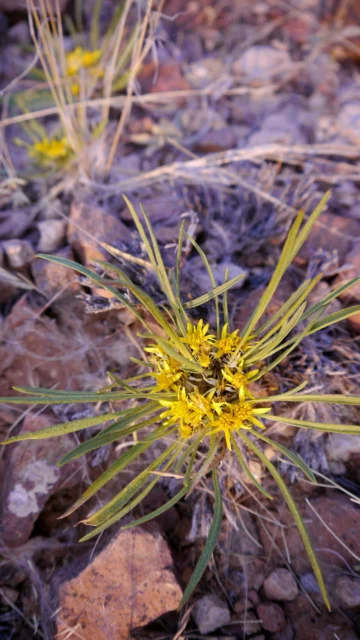
Namibian growers reported conflicting experiences with “vermeerbossie”: one saw animals leave dried stalks without apparent illness, while others disagreed about the toxicity of green and dried plants. The group also described poisonous green growth during dry periods and the value of maintaining perennial grasses. These observations matter, but plant identity, amount eaten and animal condition can explain different outcomes.
Common names are not enough
University of Pretoria veterinary references distinguish Geigeria poisoning from the cardiac toxins associated with several plants called slangkop. They report poisoning after sheep ate dried Geigeria ornativa. “Gifblaar”, “slangkop” and “vermeerbossie” must not be treated as one plant or one poisoning syndrome.
Protect animals while getting advice
- Stop access to the suspected feed or area, without forcing distressed animals to walk long distances. Follow the veterinarian’s handling advice.
- Keep the hay lot separate and label its field and cutting date. Do not sell or mix it into other feed while the concern is unresolved.
- Photograph the plant in place, including leaves, flowers and fruits if present. Ask how to submit a specimen safely.
- Record animal species, numbers exposed, the time feed was offered, signs seen and any treatments already given.
Do not turn an observation into a dose
The discussion included home-treatment claims and a suggestion to expose animals deliberately to poisonous plant material. Do not use deliberate exposure to “build immunity”. Activated charcoal is not a universal antidote or a guarantee of survival, and dosing or drenching an ill animal without veterinary direction can add harm. This guide does not reproduce those treatment recipes.
Improve the next grazing decision
Map problem patches with a knowledgeable local adviser. Revisit them when plants are identifiable, and before harvesting hay. Keep a record of drought, regrowth and available safe forage. An animal selecting around stalks on one occasion does not establish that a chopped or baled mixture is safe.
Namibian climate and microclimate
After a long dry period, small patches of green growth can attract hungry animals. Rainfall, grazing history and plant stage vary across a farm, so inspect the actual paddock and hay field rather than relying on a regional calendar.
Your first practical step
Prepare a labelled photo record and veterinary contact plan before the next hay cut. Share confirmed identifications and outcomes with local growers, including cases where no illness was seen.
Watch and adapt
Watch: Poisonous Plants and Livestock
Publisher: University of Tennessee Extension
Country and context: USA; Tennessee extension context.
Select “Poisonous Plants and Livestock” on the linked video page. The plants and grazing conditions differ from Namibia.
Use the foreign presentation to understand prevention and identification. The plants and poisoning syndromes in Namibia require the Namibian and southern African references below.
Keep exploring
Sources and further reading
- Toxic Plants of Veterinary Importance in Namibia
- University of Pretoria: Geigeria and gastrointestinal poisoning
- University of Pretoria: cardiovascular plant poisons
Have you tried this in Namibia? Share the site conditions, method and result—including what did not work—with the Living Earth community. Local observations help the next person adapt the idea.