
A shared garden needs more than a promising patch of soil. Clear land access, water arrangements and responsibilities help people invest their work without discovering later that the agreement meant different things to different participants.
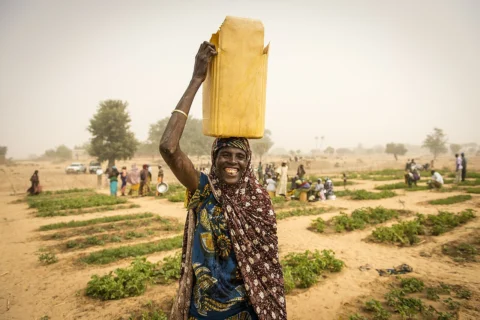
.jpg)
From the Namibian discussions
Namibian discussions expressed different views on land ownership, cooperative access and communal grazing. One contribution asked how a community-focused project could obtain permission and avoid worsening pressure on grazing. Those questions are worth carrying into project design without presenting one participant’s political view as the group’s agreed position.
Identify who can authorise the use
Namibia’s land-reform administration includes different responsibilities for communal land, land boards and traditional authorities. Urban, private and communal sites do not share one permission process. Confirm the applicable route with the responsible authority or qualified local adviser; a handshake with a nearby resident may not be sufficient.
Discuss the practical terms
- Describe the site, boundaries, intended use and duration of access.
- Agree who may use the water, how much is available and who pays or maintains the supply.
- Decide who owns movable equipment, trees and other improvements, including what happens if the project ends.
- Record access times, paths, livestock exclusion, maintenance and how disputes or new members will be handled.
Keep the agreement understandable
Use language participants understand and make space for questions before signing or spending money. A simple written plan can support discussion, but it is not a substitute for legally valid permissions. Keep copies accessible to the people doing the work rather than only to a project organiser.
Start within the secure commitment
Match the first planting to the agreed period and resources. Short-term access may suit movable containers better than expensive permanent infrastructure. Review the arrangement after a season, recording water costs, participation and harvest-sharing issues. Community benefit is stronger when the responsibilities are realistic.
Namibian climate and microclimate
Drought can turn an apparently generous water promise into a conflict. Seasonal grazing routes, shade needs and access after heavy rain should be discussed explicitly. A garden must fit the surrounding community’s use of the site.
Your first practical step
Hold a site walk with the people entitled to make decisions and those who will use the garden. Write the unresolved questions down before buying materials.
Watch and adapt
Publisher: ABC Gardening Australia
Country and context: Bowden, Adelaide, Australia.
Neighbours share growing space, produce and knowledge. Adelaide’s Mediterranean climate and tenancy arrangements differ from Namibia.
The supporting community-growing example is not legal guidance. Use its emphasis on participation while confirming Namibia-specific land and water arrangements.
Keep exploring
- Community Gardening
- Coordination (how we are as a society)
- Community savings groups: agree the rules before collecting money
Sources and further reading
Have you tried this in Namibia? Share the site conditions, method and result—including what did not work—with the Living Earth community. Local observations help the next person adapt the idea.